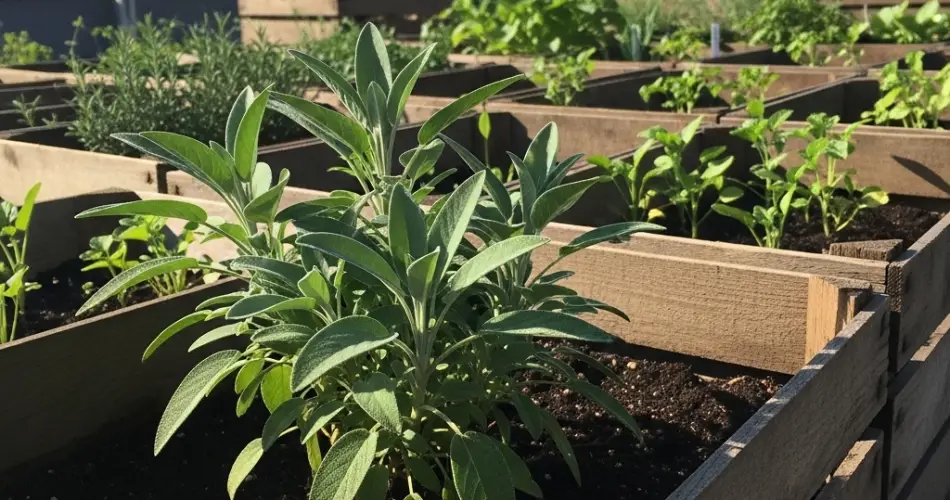
Fresh herbs can transform even the simplest meals, and sage is one of the most aromatic and flavorful choices you can grow at home. With its soft, silvery leaves and warm, earthy fragrance, sage brings both beauty and taste to your kitchen. The good news? You don’t need a sprawling backyard to grow it. A few recycled crates, a sunny balcony, and some basic gardening know-how are all you need to create your own sage-filled oasis in the heart of the city.
Why Grow Sage in Crates?
Sage is a hardy perennial that thrives with minimal care once established. It’s drought-tolerant, resists most pests, and grows well in containers—making it perfect for urban gardeners with limited space. Planting sage in crates adds a rustic charm to your balcony while giving you control over soil quality, sunlight exposure, and placement. Plus, crates are easy to move and arrange, so you can adjust your setup as the seasons change.
Choosing the Right Crates
Go for untreated wood
Recycled wine boxes, fruit crates, or small shipping boxes make excellent planters, but it’s important to choose untreated wood to avoid chemical contamination. A depth of at least 10–12 inches is ideal for sage’s roots.
Add drainage
Sage prefers dry, well-drained soil. If the crate’s base is solid, drill several holes to allow excess water to escape. This simple step will help prevent root rot, one of the most common issues for potted herbs.
Line the interior
Line your crate with landscape fabric, burlap, or breathable plastic to keep soil contained while still allowing water to drain. Secure the lining along the inside edges with a staple gun or tacks.
Preparing the Soil
Sage thrives in light, sandy soil that doesn’t hold too much moisture. A good mix is:
-
2 parts standard potting mix
-
1 part coarse sand or perlite for drainage
-
Optional: a small handful of garden lime if your soil is too acidic
Avoid overly rich soil—too much nitrogen will make the plant grow lots of leaves but reduce its flavor intensity.
Planting Your Sage
Seeds vs. seedlings
Growing sage from seed is possible, but it can be slow. Most urban gardeners prefer starting with young plants from a nursery for quicker results. If you choose seeds, sow them about 1/8 inch deep and keep the soil lightly moist until germination, which may take 2–3 weeks.
Spacing
If your crate is large enough for more than one plant, space them about 12 inches apart to allow air circulation and healthy growth.
Sunlight
Sage loves the sun and needs at least 6 hours of direct light daily. Place your crate in the sunniest spot on your balcony. If sunlight is limited, consider rotating your crate every few days.
Caring for Sage in Crates
Watering
Water sparingly—wait until the top inch of soil feels dry before watering again. Overwatering is a bigger threat to sage than drought.
Fertilizing
Sage is a light feeder. Use a slow-release fertilizer in early spring or add a thin layer of compost to refresh nutrients. Avoid heavy feeding, as it can dull the flavor of the leaves.
Pruning and harvesting
Regular harvesting encourages bushy growth. Snip stems above a pair of leaves, avoiding cutting into older woody parts. In early spring, trim back about one-third of the plant to promote fresh, vigorous growth.
Harvesting and Storage
You can begin harvesting once the plant is well-established, usually a few months after planting. Pick leaves in the morning after the dew has dried for the best flavor.
Sage can be used fresh, dried, or frozen. For drying, tie small bunches together and hang them in a warm, airy place out of direct sunlight. Once dry, store in an airtight container.
Overwintering Your Sage Crate Garden
In mild climates, sage can stay outdoors year-round. In colder regions, move the crate to a sheltered spot or indoors before frost arrives. Place it near a sunny window and reduce watering during the winter months.
Sage plants can live for several years, but their vigor may decrease after four to five years. At that point, consider starting new plants from cuttings or seeds.
Styling Your Balcony Crate Garden
A crate garden doesn’t just grow herbs—it can be a charming decorative element. You can:
-
Leave the wood natural for a rustic look.
-
Paint or stencil herb names on the side for a personal touch.
-
Combine sage with other Mediterranean herbs like rosemary, thyme, or oregano for a beautiful mixed planter.
Final Thoughts
Sage in a crate is a perfect blend of beauty, practicality, and sustainability. By reusing materials and growing your own fresh herbs, you’re creating a green corner in your urban space that’s both functional and visually appealing.
Whether you’re a seasoned gardener or new to growing herbs, crate gardening makes it easy to enjoy fresh, aromatic sage right outside your door. With a sunny spot, a bit of care, and a touch of creativity, your balcony can become a fragrant, rustic retreat filled with one of the most beloved culinary herbs.


