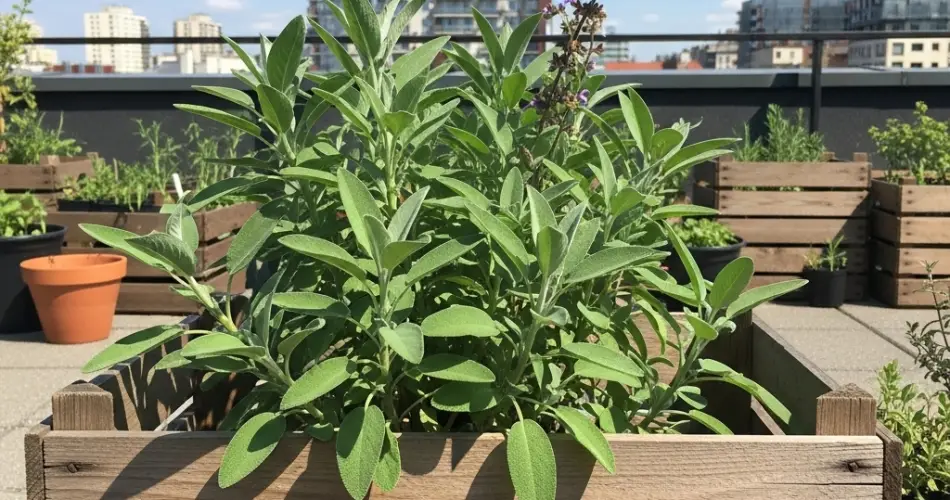
Sage is a timeless herb known for its earthy aroma, distinctive flavor, and health benefits. With its silvery-green leaves and hardy nature, it’s both beautiful and practical. Even if you live in a small apartment or have limited gardening space, growing sage in crates is a simple way to enjoy fresh leaves for cooking, teas, or herbal remedies. This method not only saves space but also gives you control over the soil, drainage, and plant placement.
Why Choose Crate Gardening for Sage
Crate gardening is perfect for small-space growers, especially those with balconies, patios, or even sunny windowsills. Sage is a relatively low-maintenance herb that doesn’t require deep soil, making it well-suited for crate planting. Because crates can be moved around, you can easily adjust their position to maximize sunlight or shield plants from harsh weather.
Another benefit is containment — sage can be grown neatly without competing with other plants for nutrients, and crate soil dries more quickly than in-ground beds, helping prevent overwatering issues.
Selecting the Right Crate
Your choice of crate will influence both plant health and visual appeal.
-
Material – Wooden crates such as cedar, pine, or untreated hardwoods are sturdy and rustic. Plastic crates are lightweight and weather-resistant.
-
Size – Aim for at least 20–25 cm depth to give roots space to develop.
-
Drainage – Drill several holes in the bottom if none are present.
-
Lining – Use landscape fabric, burlap, or a breathable liner to hold soil in place while allowing water to drain freely.
Place the crate on a raised surface or small blocks to improve airflow underneath and reduce the risk of wood rot.
Preparing the Soil
Sage prefers well-draining, slightly sandy soil. A good mix for crate planting includes:
-
2 parts high-quality potting mix
-
1 part coarse sand or perlite for drainage
-
1 part compost for organic nutrients
Avoid heavy soils that hold too much water, as soggy conditions can lead to root rot.
Planting Sage in Crates
You can grow sage from seeds, cuttings, or ready-to-plant seedlings.
-
From seeds – Sow in early spring. Cover lightly with soil and water gently. Seeds take 2–3 weeks to germinate.
-
From cuttings – Take 10–12 cm cuttings from a healthy sage plant, strip the lower leaves, and plant them in moist soil until they root.
-
From seedlings – Space plants 30–40 cm apart in the crate to allow airflow and healthy growth.
After planting, water lightly to settle the soil and help roots establish.
Sunlight and Watering
Sage thrives in full sun, requiring at least 6–8 hours of direct light each day. On a balcony, position the crate where it will get the maximum sunlight, such as along a south-facing wall or railing.
Water sparingly. Sage prefers soil that is slightly dry between waterings. Test by inserting your finger about 2 cm into the soil — if it’s dry, water deeply and allow excess to drain. Avoid letting the soil stay soggy.
Feeding and General Care
Sage doesn’t need heavy feeding. A light application of compost or balanced organic fertilizer in spring and midsummer will keep it healthy without diminishing flavor. Too much fertilizer can make the leaves less aromatic.
Regularly prune the tips during the growing season to encourage bushy growth. Remove dead leaves and woody stems to keep the plant productive. Every two to three years, replace older plants with new cuttings or seedlings for best results.
Harvesting Sage
You can start harvesting sage once the plant is well established and has several sets of leaves. For the best flavor:
-
Harvest in the morning after the dew has dried but before the heat of the day.
-
Snip individual leaves or cut entire sprigs as needed.
-
Avoid removing more than one-third of the plant at once to allow it to keep producing.
Fresh leaves can be used immediately in cooking or for tea. To preserve sage:
-
Drying – Tie small bundles and hang upside down in a warm, airy spot away from direct sunlight.
-
Freezing – Freeze whole leaves or chop them before freezing in airtight containers.
Seasonal Care
Sage is a perennial in many climates and can survive mild winters outdoors. In colder regions, bring crates indoors during frost or use protective covers. In very hot climates, give plants some afternoon shade to prevent leaf scorch.
Because crates can be moved easily, you can adapt their location to the changing seasons — shifting them into the sun in winter and into partial shade in summer if needed.
Why Crate-Grown Sage is Worth It
Growing sage in crates is a rewarding, space-saving method that works for beginners and experienced gardeners alike. The setup is flexible, attractive, and easy to maintain, allowing you to enjoy fresh, aromatic sage right outside your door. Whether you’re seasoning roasted vegetables, brewing herbal tea, or simply enjoying the fragrance on your balcony, sage in crates brings both flavor and charm to small-space gardening.


