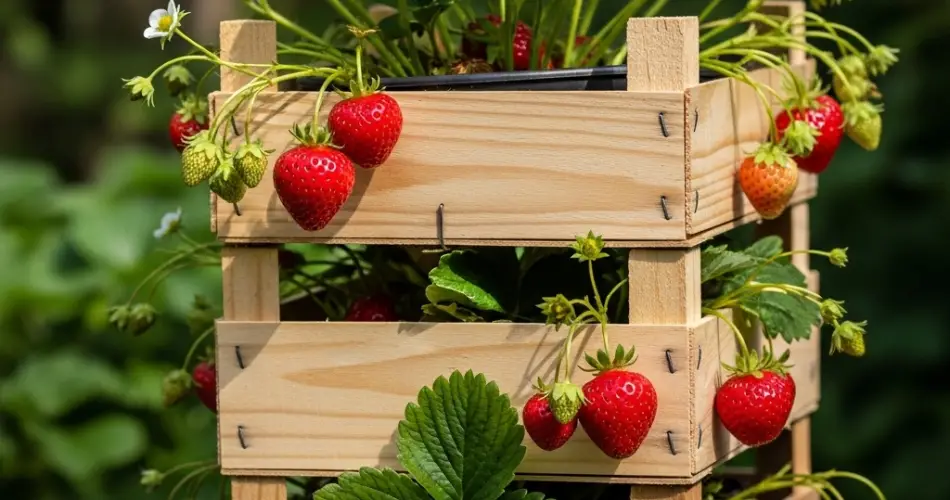
Fresh, homegrown strawberries are a true treat—sweet, juicy, and far more flavorful than most store-bought varieties. While traditional garden rows can take up valuable space, wooden crates offer a rustic and efficient alternative for cultivating these berries right in your backyard. This method combines charm with practicality, providing a productive strawberry patch that’s easy to manage and beautiful to look at.
Why Use Crates for Strawberries
Crates create a raised bed environment, which benefits strawberries in several ways. They offer better drainage than planting directly in the ground, reducing the risk of root rot and other moisture-related issues. They also allow for precise soil control, letting you provide the perfect growing medium tailored to the plants’ needs.
Elevating your strawberry beds makes harvesting more convenient and reduces weed competition. Plus, the tidy, organized structure of crates adds visual appeal to any garden, blending functionality with aesthetics.
Selecting the Best Crates
When choosing crates for strawberries, opt for untreated wood or food-safe materials. Avoid chemically treated timber, as it can release harmful substances into the soil. Crates should be sturdy enough to hold moist soil without warping and at least 8–10 inches deep to allow proper root development.
Repurposed fruit crates, wine boxes, or hand-built wooden boxes work well. If the slats are widely spaced, line the inside with breathable landscape fabric or burlap to keep soil in place while still allowing drainage.
Preparing the Perfect Soil
Strawberries prefer a slightly acidic soil with a pH between 5.5 and 6.5. The ideal mix for crate gardening is equal parts garden soil, compost, and coarse sand or perlite. Compost adds organic nutrients, while sand or perlite improves aeration and drainage.
Before filling your crates, moisten the soil slightly—it should be damp but not soggy. Fill to about an inch below the rim to leave space for watering without soil overflow.
Planting Your Strawberries
You can start strawberries from bare-root crowns, seedlings, or runners. Place plants 8–12 inches apart, ensuring the crown (the point where roots meet leaves) is level with the soil surface. Planting too deep can cause rot, while too shallow may lead to root drying.
For crate gardens, day-neutral or everbearing varieties are ideal because they produce fruit continuously throughout the growing season. These types will keep your crates productive from spring into fall.
Watering and Feeding
Consistent moisture is essential for healthy strawberries. Check the soil regularly, as crates can dry out faster than in-ground beds. Water deeply whenever the top inch of soil feels dry, aiming to keep the roots evenly moist.
Mulching with straw, shredded leaves, or coconut husk helps conserve moisture, suppress weeds, and keep fruit clean.
Feed your plants every 4–6 weeks with a balanced organic fertilizer. Avoid high-nitrogen formulas, which encourage leafy growth at the expense of berries.
Managing Pests and Diseases
Even in crates, strawberries can be targeted by pests such as aphids, spider mites, and slugs. Inspect plants regularly and take early action if you spot signs of infestation. Natural options include neem oil sprays or introducing beneficial insects like ladybugs.
To prevent fungal diseases, space plants adequately for airflow and water at the base rather than over the leaves. Removing damaged or diseased foliage promptly also helps keep problems under control.
Harvesting the Fruits of Your Labor
Strawberries are ready to harvest when fully red, firm, and glossy. Pick them with a gentle twist, leaving a short stem attached to prolong freshness. Harvest regularly, as ripe berries left on the plant can attract pests and reduce new flower production.
After two or three years, strawberry plants begin to decline in productivity. At this point, it’s best to replace them with new runners or seedlings. You can easily root runners in small pots or directly in a fresh crate filled with prepared soil.
Seasonal Maintenance
At the end of the growing season, remove any dead leaves and old mulch to reduce the risk of pests overwintering. If you live in a colder climate, protect your crate beds with a layer of straw or a frost cloth to shield plants from freezing temperatures. In warmer regions, a light mulch layer is sufficient to protect roots during dormancy.
The Beauty of Rustic Crate Gardens
Beyond their practicality, crate strawberry beds bring a charming, country-style feel to your backyard. Their compact size makes them ideal for patios, decks, and small gardens, while their portability allows you to move them to sunnier spots or shelter them during extreme weather.
By combining thoughtful soil preparation, the right plant varieties, and consistent care, you can enjoy baskets of fresh, sweet strawberries season after season. Rustic crate beds not only deliver a bountiful harvest—they also transform your outdoor space into a beautiful, productive haven.


