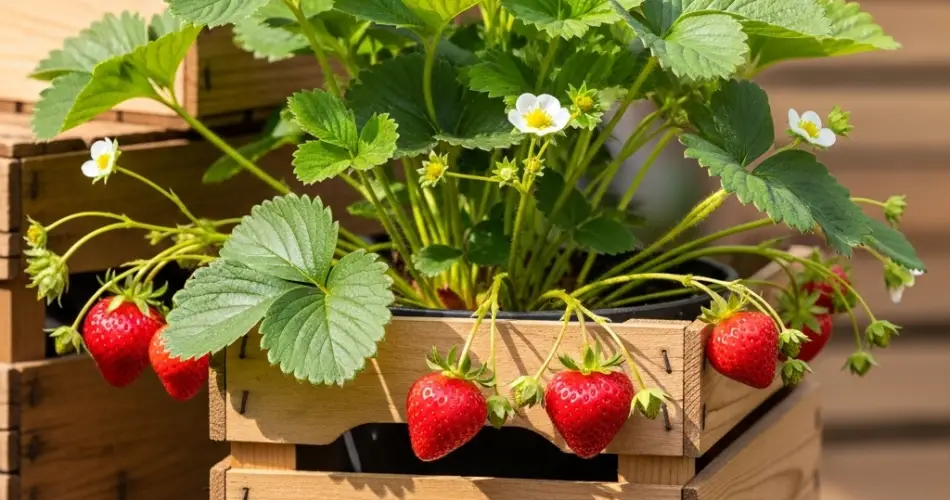
Fresh, sun-ripened strawberries are one of the most delightful treats you can grow at home. Their sweet fragrance, vibrant color, and juicy bite make them irresistible—and surprisingly easy to cultivate, even without a large garden. Crate gardening is a smart, space-saving way to produce strawberries, giving you full control over soil quality, drainage, and sunlight. Whether you have a sunny balcony, small patio, or a corner of your backyard, wooden crates can help you grow baskets of delicious berries with minimal fuss.
Why Strawberries Thrive in Crates
Strawberries grow best in loose, nutrient-rich soil with excellent drainage. In the ground, these conditions can be hard to achieve, especially in clay or rocky areas. A wooden crate solves this by allowing you to create the perfect environment from scratch. The raised setup also improves airflow around plants, which helps reduce the risk of fungal diseases, a common problem for strawberries grown directly in the soil.
Crates make it easier to control pests like slugs, keep fruit clean and off the ground, and move plants to sunnier spots when needed. Plus, they add rustic charm to your growing space, making them both functional and decorative.
Choosing the Right Crate
Select a sturdy wooden crate that is at least 8–10 inches deep, wide enough to hold several plants without crowding. Depth is important because strawberry roots are shallow but need space to spread. Avoid chemically treated wood, as it may leach harmful substances into the soil. If using a recycled crate, give it a thorough cleaning to remove any residue.
For extra durability, you can seal the outside of the crate with a natural, plant-safe wood preservative, but avoid coating the inside where the soil will touch.
Preparing Your Crate for Planting
Line the inside of the crate with landscape fabric or burlap to keep soil in place while allowing water to drain freely. If the bottom doesn’t already have gaps or holes, drill several to prevent waterlogging—strawberries hate soggy roots.
Fill the crate with a mix of high-quality potting soil, compost, and a bit of coarse sand or perlite to enhance drainage. A ratio of 2 parts potting mix to 1 part compost works well, giving plants the nutrients they need for strong growth and abundant fruiting.
Choosing Strawberry Varieties
Select varieties suited to your climate and growing conditions. June-bearing strawberries produce one large harvest in early summer, everbearing varieties yield two crops—one in early summer and another in late summer—and day-neutral types produce continuously throughout the season. For crate gardening, day-neutral and everbearing varieties are ideal, as they give you a steady supply of berries over a longer period.
Planting Strawberries in Crates
Plant strawberry crowns so that the roots are well covered with soil, but the central growing point (the crown) remains just above the surface. Space plants about 8 inches apart to allow for healthy air circulation.
After planting, water well to help the roots settle in. Strawberries need consistent moisture, especially while establishing and during fruiting, but avoid overwatering, which can cause root rot.
Caring for Crate-Grown Strawberries
Watering – Keep the soil evenly moist but never soggy. In warm weather, you may need to water daily, as crates dry out faster than in-ground beds. Morning watering is best to reduce evaporation and disease risk.
Feeding – Apply a balanced, all-purpose fertilizer when plants are actively growing, then switch to a low-nitrogen, high-potassium fertilizer once flowers appear to encourage fruit production.
Mulching – Add a thin layer of straw, shredded leaves, or coconut fiber around the plants. Mulch keeps berries clean, reduces weeds, and helps maintain soil moisture.
Pruning & Runners – Remove any dead or damaged leaves to improve airflow and reduce disease risk. For higher yields in small spaces, pinch off runners (long stems that grow new baby plants) so the mother plant can focus on fruit production.
Protecting Your Strawberries
Birds love ripe strawberries as much as people do, so protect your crop with lightweight bird netting. Keep an eye out for pests like aphids or spider mites, and treat them promptly with natural methods such as insecticidal soap or neem oil.
In humid climates, watch for signs of fungal diseases like powdery mildew or botrytis (gray mold). Ensure good air circulation and avoid overhead watering to minimize problems.
Harvesting Your Sweet Berries
Pick strawberries when they are fully red and fragrant, ideally in the morning when they’re cool and firm. Harvest regularly to encourage continued production and prevent overripe fruit from attracting pests.
Handle berries gently, as they bruise easily, and store them unwashed in the refrigerator if you’re not eating them right away. Wash just before serving to keep them fresh longer.
Replanting for Long-Term Yields
Strawberry plants remain productive for about three years before yields decline. To keep your crate garden thriving, replace older plants with new ones grown from runners or purchased from a nursery. You can also refresh the soil between plantings to maintain fertility and reduce disease risk.
Final Tips for Crate Strawberry Success
-
Rotate crates or move them to different sunny spots to avoid soil-borne issues.
-
Use high-quality compost for strong, sweet-tasting fruit.
-
Keep up with watering and feeding during the fruiting season for maximum harvest.
With a little care and attention, crate gardening offers an easy, attractive, and productive way to grow strawberries. By providing ideal conditions in a compact, movable setup, you can enjoy plump, juicy berries from your own home—whether you have a large garden or just a sunny corner to spare.


