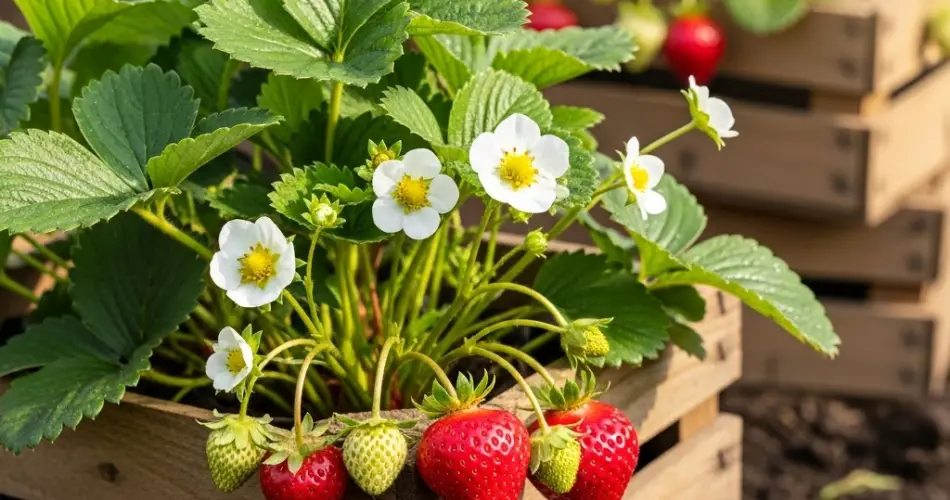
Growing strawberries at home is one of the most rewarding gardening projects you can try. Not only do these sweet, juicy fruits thrive in small spaces, but they can also be cultivated in simple wooden crates, making harvesting easy and maintenance minimal. Whether you have a spacious backyard or just a small patch of open ground, crate gardening offers a smart, space-saving way to enjoy fresh strawberries right outside your door.
Why Choose Crates for Strawberries
Wooden crates create an organized, elevated bed for strawberry plants, which helps in several ways. First, they provide excellent drainage, preventing the roots from sitting in excess water and reducing the risk of fungal diseases. Second, the raised height makes harvesting more comfortable—you won’t have to bend down as much to pick ripe berries. Lastly, crates help control spreading runners, allowing you to keep your strawberry patch neat and productive.
Crates also make it easier to manage soil quality. Unlike planting directly in the ground, you can fill them with a nutrient-rich, well-draining mix tailored specifically for strawberries. This means you have more control over pH, moisture retention, and fertility, resulting in healthier plants and bigger harvests.
Choosing the Right Crates
When selecting crates, look for sturdy wooden ones that are untreated or made from food-safe materials. Chemicals in treated wood can leach into the soil, so it’s best to avoid them. The crate should be deep enough to allow for good root development—at least 8–10 inches in depth is ideal. If the crates have large gaps between the slats, you can line them with landscape fabric or burlap to keep soil in place while still allowing drainage.
Repurposed fruit crates, wine boxes, or DIY-built wooden frames work beautifully. Just make sure they are strong enough to hold the weight of moist soil and withstand outdoor conditions.
Preparing the Soil
Strawberries thrive in loose, fertile, and slightly acidic soil with a pH of around 5.5 to 6.5. A good mix for crate gardening is equal parts garden soil, compost, and coarse sand or perlite. The compost enriches the mix with organic matter, while sand or perlite ensures proper aeration and drainage.
Before planting, moisten the soil mixture slightly—it should be damp but not soggy. Fill the crates to about an inch below the rim to allow space for watering without soil spilling over.
Planting Strawberries in Crates
Strawberries can be grown from bare-root plants, seedlings, or even runners from an existing patch. Place plants about 8–12 inches apart in the crate, ensuring that the crown (where the leaves meet the roots) is level with the soil surface. Planting too deep can cause rot, while planting too shallow can dry out the roots.
For maximum yield, choose everbearing or day-neutral varieties, which produce fruit throughout the growing season. These types are perfect for crate gardening because they provide multiple harvests in one season.
Watering and Care
Strawberries need consistent moisture, especially when they are flowering and setting fruit. Water deeply whenever the top inch of soil feels dry. Crates tend to dry out faster than in-ground beds, so check moisture levels regularly, especially in hot weather.
Mulching the surface with straw, shredded leaves, or coconut husk helps retain moisture, keeps fruits clean, and discourages weed growth.
Fertilize every 4–6 weeks with a balanced organic fertilizer to keep plants healthy and productive. Avoid over-fertilizing with nitrogen, as this can cause lush leaf growth at the expense of fruit production.
Pest and Disease Management
While crate gardening helps reduce some common problems, strawberries can still be affected by pests like aphids, spider mites, and slugs. Inspect your plants regularly, and remove any damaged or diseased leaves promptly. You can use organic pest control methods such as neem oil sprays or introducing beneficial insects like ladybugs.
Good air circulation is important to prevent fungal issues. Avoid overcrowding plants and water at the base rather than overhead to keep leaves dry.
Harvesting and Renewing Plants
Strawberries are ready to harvest when they are fully red, firm, and glossy. Pick them gently, leaving a small portion of the stem attached to extend freshness. Harvest regularly to encourage more fruiting.
After two to three years, strawberry plants tend to produce fewer berries. At this point, it’s best to replace older plants with new runners or seedlings to keep your crate garden productive. You can root the runners in small pots or directly in a fresh crate filled with prepared soil.
Advantages Beyond the Harvest
Aside from the delicious reward, growing strawberries in crates adds charm to your backyard. The neatly arranged boxes create a rustic, organized look, and you can even stack or arrange them creatively to fit your space. Plus, the mobility of crates means you can reposition them for better sunlight exposure or to protect them from extreme weather.
By combining smart container choice, healthy soil preparation, and attentive care, you can enjoy baskets of sweet strawberries right from your backyard without complicated setups or sprawling garden beds. With crates, harvesting becomes a simple, joyful task—proof that fresh fruit doesn’t require acres of land, just a bit of creativity and care.


