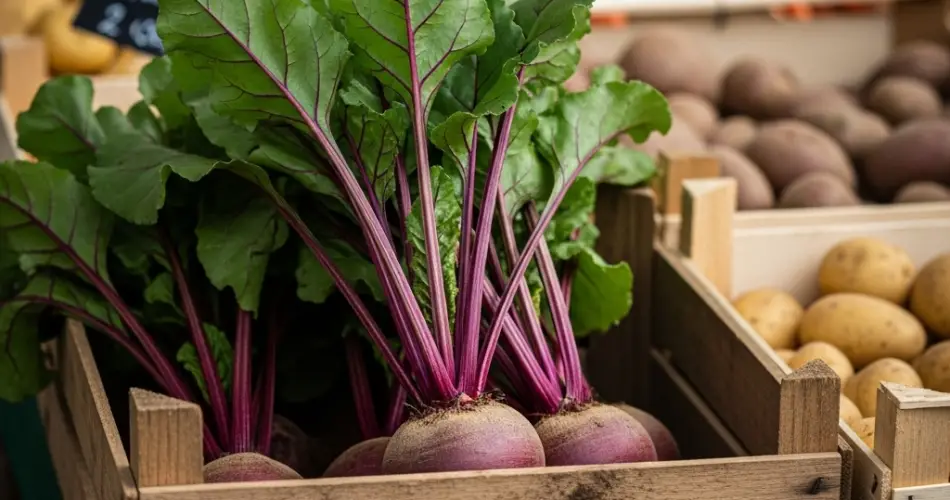
Growing fresh, sweet beets at home doesn’t require a large backyard or traditional garden beds. With a few sturdy wooden crates, good soil, and some basic care, you can enjoy a healthy harvest of this nutrient-packed root vegetable right from your balcony, patio, or small yard. Wooden crate gardening is a clever, space-saving technique that works well for beets because it gives you control over soil quality, drainage, and spacing—three key factors in producing plump, tender roots.
Why Wooden Crates Work for Beets
Beets thrive in loose, well-draining soil that allows their roots to develop without restriction. Many garden plots suffer from compacted or rocky soil, which can lead to misshapen or undersized roots. Wooden crates solve this problem by letting you create the perfect soil environment from scratch. The crates also make it easy to control moisture and reduce weed competition. Additionally, their portability means you can move them to the sunniest spot available, which is essential for beets to grow evenly and quickly.
Choosing the Right Crate
Look for sturdy wooden crates at least 10–12 inches deep. This depth allows the beetroot to grow to its full potential without becoming cramped. A width of 18–24 inches will give you enough room to plant a good number of beets without overcrowding. Ensure the crate is untreated wood, as chemicals from treated lumber can leach into the soil and affect your plants. If you’re reusing crates that once held produce or goods, clean them thoroughly to remove any residue.
Preparing the Crate for Planting
To prevent soil from spilling out, line the inside of the crate with a layer of landscape fabric or burlap. Secure it around the edges with staples or tacks, making sure water can still drain freely. Beets dislike soggy conditions, so drill a few drainage holes in the bottom if the crate doesn’t already have them.
Fill the crate with a mix of high-quality garden soil and compost, aiming for a light, crumbly texture. A 2:1 ratio of soil to compost works well. This ensures your beets receive enough nutrients for healthy foliage and well-formed roots. If your soil mix feels heavy, lighten it by adding perlite or coarse sand.
Sowing Beet Seeds
Beet seeds are actually clusters containing several potential sprouts, so thinning will be necessary later. Sow the seeds about ½ inch deep and 2 inches apart in rows spaced 4–5 inches apart. Cover them lightly with soil and water gently to settle them in place.
Beets germinate best in temperatures between 50–85°F (10–29°C). If you’re planting in cooler months, you may want to cover the crate with a light frost cloth to retain warmth and encourage sprouting.
Caring for Crate-Grown Beets
Watering – Keep the soil consistently moist but not waterlogged. A good rule is to water when the top inch of soil feels dry. Uneven watering can cause beets to crack or become woody, so consistency is key.
Thinning – Once seedlings reach about 3 inches tall, thin them so the strongest plants are spaced about 3–4 inches apart. Don’t throw away the thinnings—they make excellent microgreens for salads.
Feeding – Beets benefit from a balanced, slow-release fertilizer applied once after thinning. Avoid excessive nitrogen, which encourages leafy growth at the expense of root development.
Sunlight – Position your crate where it will receive at least 6 hours of direct sunlight daily. If your space is partially shaded, morning sun is preferable to afternoon shade.
Harvesting Your Beets
Most beet varieties are ready to harvest 50–70 days after planting. You can start pulling baby beets when they’re about 1–1.5 inches in diameter for tender, sweet flavor. Larger beets (2–3 inches) are perfect for roasting, pickling, or grating into salads.
To harvest, loosen the soil around the root and pull gently by the base of the leaves. After harvesting, cut off the greens about an inch above the root to prevent moisture loss. Beet greens are edible and packed with nutrients, making them a bonus crop from your crate garden.
Replanting for Continuous Harvests
If you live in a mild climate, you can replant your crate several times a year for a steady supply of beets. In cooler regions, plant in early spring and again in late summer for fall harvests. Rotate your planting spots between crates if possible to prevent soil depletion and pest buildup.
Final Tips for Success
-
Choose beet varieties suited to your climate and taste preferences, such as ‘Detroit Dark Red’ for classic flavor or ‘Chioggia’ for striking pink-and-white rings.
-
Avoid letting the soil dry out completely during root development.
-
Keep an eye out for pests like aphids or leaf miners, and address issues early with natural remedies.
By using wooden crates, you’re creating a controlled growing environment that helps beets reach their full potential while fitting easily into small or urban spaces. Whether you’re growing them for their earthy roots, nutrient-rich greens, or both, this method offers a rewarding and practical way to enjoy homegrown produce year-round.


