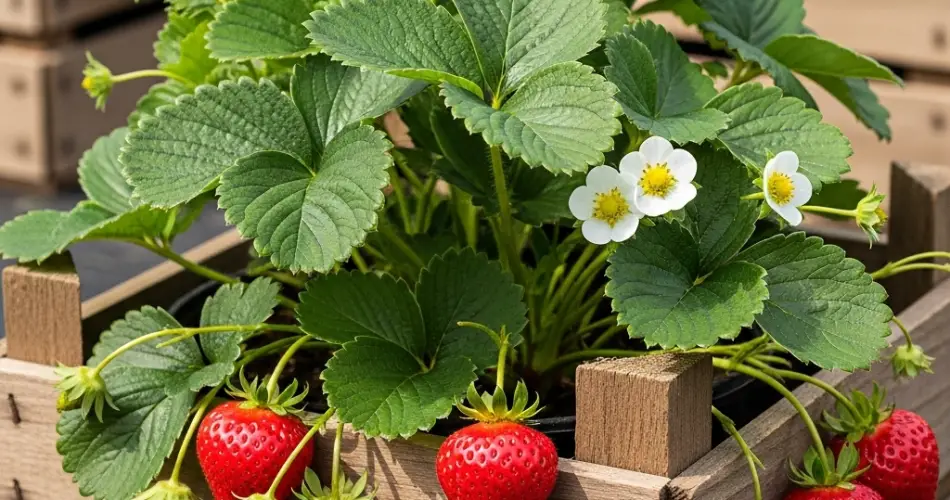
Fresh strawberries, picked at the peak of ripeness, are one of the most rewarding treats you can grow at home. They are sweet, fragrant, and full of flavor—nothing like the store-bought variety. If you’re short on garden space or want a neat, organized way to grow them, a wooden crate strawberry garden is a fantastic solution. Not only does it allow you to create the perfect growing environment, but it also keeps plants tidy, reduces pest problems, and adds rustic charm to your backyard.
Why Use Wooden Crates for Strawberries
Wooden crates offer several benefits for strawberry cultivation. They give you complete control over soil quality, which is especially useful if your backyard soil is heavy clay or full of rocks. Crates also improve drainage, preventing the waterlogged conditions that strawberries dislike. Being raised, they reduce bending during harvesting and make it harder for pests like slugs to reach the fruit. Plus, crates can be moved around to capture more sunlight or protect plants from harsh weather.
Choosing the Right Crate
Look for a sturdy wooden crate at least 8–10 inches deep, as strawberry roots are shallow but still need space to spread. The crate should be wide enough to accommodate several plants, but not so large that it becomes too heavy to move. Avoid chemically treated wood, which can leach harmful substances into the soil. If you’re repurposing a crate, clean it thoroughly to remove any dirt, chemicals, or residues.
Preparing the Crate for Planting
-
Lining – Line the inside of the crate with landscape fabric, burlap, or a breathable cloth to prevent soil from spilling out while allowing water to drain.
-
Drainage – If the bottom of your crate doesn’t have gaps or holes, drill several to ensure proper drainage. Strawberries are prone to root rot if left in soggy soil.
-
Filling – Use a mix of two parts high-quality potting soil to one part compost for a nutrient-rich growing medium. Add a little perlite or coarse sand to improve aeration and drainage.
Selecting Strawberry Varieties
Strawberries fall into three main categories:
-
June-bearing – Produce a single, large crop in early summer.
-
Everbearing – Yield two smaller crops, one in early summer and another in late summer.
-
Day-neutral – Produce fruit steadily throughout the season.
For crate gardening, everbearing and day-neutral varieties work well because they provide a continuous supply of berries. Choose disease-resistant types suited to your local climate for best results.
Planting Your Strawberries
Plant strawberry crowns so that their roots are covered but the central crown (the growing point) is just above soil level. Space plants about 8 inches apart to ensure good air circulation. After planting, water thoroughly to help the roots settle in.
If planting runners (young plants that have grown from existing strawberries), choose the healthiest ones with well-developed roots. Trim away any excess runners so the plant can focus its energy on producing fruit.
Caring for Your Crate Strawberry Garden
Watering – Strawberries need consistent moisture, especially during flowering and fruiting. Water when the top inch of soil feels dry, and aim to water in the morning to reduce evaporation and disease risk.
Feeding – Apply a balanced fertilizer during early growth, then switch to a high-potassium fertilizer once flowers appear to encourage fruit development. Avoid high-nitrogen feeds, as they promote leaves over berries.
Mulching – A thin layer of straw, shredded leaves, or coconut coir mulch will help retain moisture, suppress weeds, and keep fruit clean.
Pruning – Remove yellowing leaves and trim excess runners unless you want new plants for next season. This directs energy toward producing larger, sweeter berries.
Pest and Disease Management
Birds are notorious for stealing ripe strawberries, so protect your crate garden with lightweight netting. Keep an eye out for pests like aphids, spider mites, or slugs, and use natural remedies such as neem oil, insecticidal soap, or diatomaceous earth.
To prevent fungal issues like gray mold, ensure good air circulation, avoid overhead watering, and promptly remove any damaged fruit or leaves.
Harvesting Your Strawberries
Harvest strawberries when they are fully red, plump, and fragrant. Gently twist or cut the stem rather than pulling to avoid damaging the plant. Pick fruit regularly to encourage more production and prevent overripening.
Freshly picked strawberries are best eaten the same day, but you can refrigerate them for a couple of days. Store them unwashed in a breathable container and rinse just before eating to keep them fresh longer.
Replanting for Ongoing Yields
Strawberry plants remain productive for about three years before yields decline. To keep your crate garden producing, replace older plants with fresh ones every few seasons. You can grow replacements from runners or purchase new crowns from a nursery. Refresh the soil each season to maintain fertility and reduce the risk of disease buildup.
Final Tips for Success
-
Rotate crate locations or replace the soil yearly to avoid soil-borne diseases.
-
Choose sunny spots—at least six hours of direct sunlight daily.
-
Keep up with regular harvesting to enjoy the freshest possible fruit.
With just a bit of planning and care, a strawberry crate garden can be a beautiful, productive feature in your backyard. The raised design, controlled soil environment, and compact layout make it perfect for gardeners with limited space or anyone who wants to enjoy homegrown berries without the hassle of a large bed.


