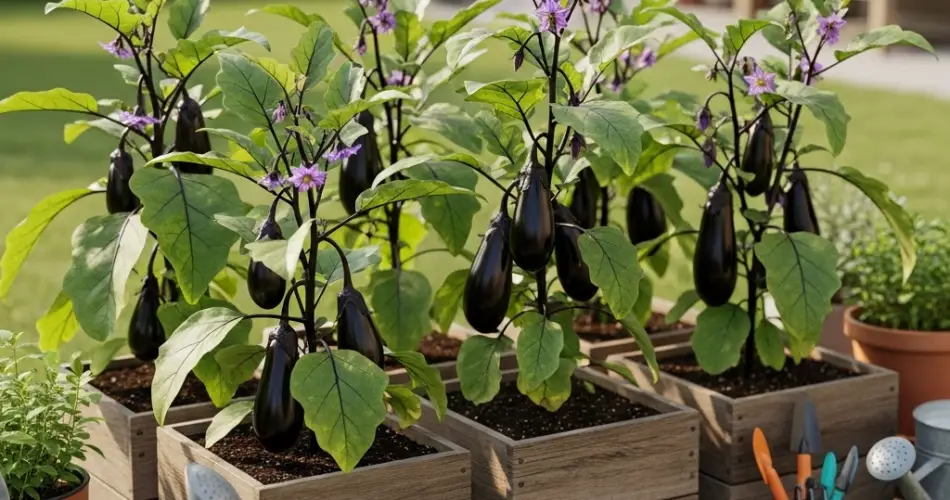
Eggplants are a versatile and rewarding crop that can thrive even in small spaces when grown in containers. Wooden planters offer a rustic, natural aesthetic while providing the ideal environment for eggplant growth. With the right care and setup, container-grown eggplants can produce abundant, healthy fruit, making this method perfect for patios, balconies, and small gardens.
Choosing the Right Wooden Container
Selecting a suitable wooden container is essential for eggplant success. Eggplants have deep root systems, so choose a container that is at least 12–16 inches deep and wide enough to accommodate the plant’s growth. Untreated wood is preferred to avoid harmful chemicals leaching into the soil. Cedar, redwood, or pine are excellent options because they resist decay naturally. Ensure the container has drainage holes at the bottom to prevent waterlogged soil, which can cause root rot.
Preparing the Soil
Eggplants thrive in fertile, well-draining soil. A mix of high-quality potting soil, compost, and a small amount of sand or perlite ensures good drainage and nutrient retention. Adding organic matter, such as compost or well-rotted manure, enhances fertility and supports vigorous growth. Fill the wooden container with soil, leaving a few inches at the top to prevent overflow during watering.
Selecting and Planting Eggplants
Choose healthy seedlings with strong stems and vibrant leaves. Eggplants grown from seedlings adapt more quickly to container life than direct-sown seeds. Gently transplant the seedling into the container, ensuring the roots are fully covered and the plant is stable. Space multiple plants at least 18–24 inches apart if your container is large enough to avoid overcrowding, which can stunt growth and reduce fruit yield.
Sunlight Requirements
Eggplants are sun-loving vegetables that require at least six hours of direct sunlight daily. Position your wooden container in a sunny spot, such as a south-facing patio or balcony. If natural light is limited, consider using reflective surfaces or supplemental grow lights to provide the energy eggplants need for flowering and fruit development.
Watering and Moisture Management
Consistent moisture is crucial for container-grown eggplants. Water regularly to keep the soil evenly moist, but avoid waterlogging. Containers dry out more quickly than garden beds, so check the soil daily, especially during hot weather. Mulching the soil surface with straw or shredded leaves helps retain moisture, regulate temperature, and reduce weeds.
Fertilizing and Nutrition
Eggplants are heavy feeders and benefit from regular fertilization. Apply a balanced, water-soluble fertilizer every two to three weeks during the growing season, or use slow-release organic fertilizers mixed into the soil at planting time. Fertilizing ensures strong growth, healthy foliage, and abundant fruit production. Supplementing with compost tea or fish emulsion can provide additional nutrients for container-grown plants.
Supporting Your Plants
Eggplants can become top-heavy as they mature, particularly when fruit develops. Provide support by staking or caging the plants to prevent branches from breaking. Bamboo stakes, tomato cages, or trellises work well in wooden containers and help maintain plant structure, improve air circulation, and reduce disease risk.
Pest and Disease Management
Monitor eggplants regularly for common pests, such as aphids, flea beetles, and spider mites. Inspect the undersides of leaves and remove pests manually or treat with mild insecticidal soap. Prevent fungal diseases by ensuring proper spacing, watering at the base rather than overhead, and providing good air circulation around the plants.
Harvesting Eggplants
Eggplants are ready for harvest when the fruits are firm, glossy, and uniform in color, depending on the variety. Avoid leaving overripe fruit on the plant, as it can reduce future production. Use a sharp knife or pruning shears to cut the fruit from the stem, leaving a small portion of the stem attached to the eggplant.
Benefits of Container Gardening
Growing eggplants in wooden containers offers numerous advantages. Containers provide mobility, allowing you to move plants for optimal sunlight or protection from extreme weather. They reduce the risk of soil-borne diseases and are ideal for small spaces, urban gardens, and patios. Additionally, wooden containers blend seamlessly into rustic garden designs, adding charm and functionality.
Conclusion
Cultivating eggplants in wooden containers is a practical and rewarding approach to urban and small-space gardening. With the right container, soil, sunlight, watering, and care, your eggplants will thrive, producing nutritious, flavorful fruit throughout the growing season. This method combines rustic charm with functionality, allowing gardeners to enjoy fresh, homegrown eggplants even in limited spaces. By embracing container gardening, you create a productive and visually appealing addition to your garden or patio.


