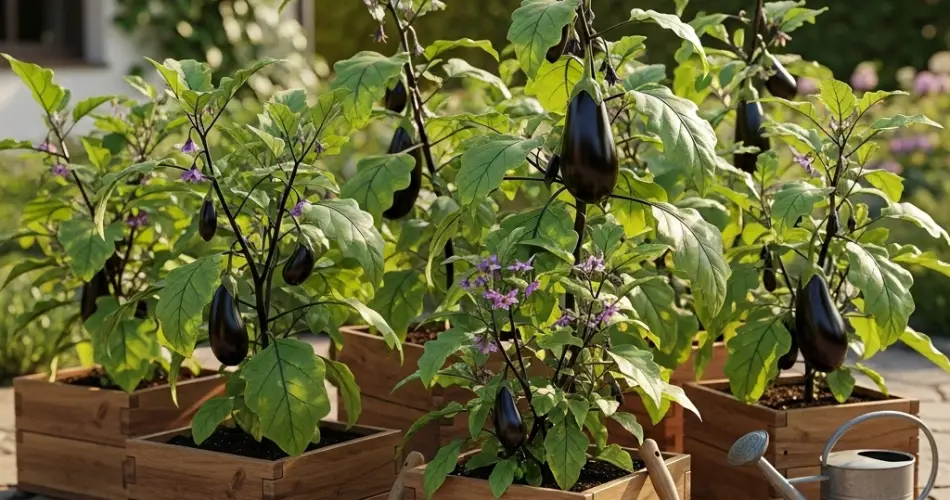
Eggplants, also known as aubergines, are versatile vegetables enjoyed worldwide for their rich flavor and culinary uses. From roasted slices in Mediterranean dishes to hearty stews and stir-fries, they are a kitchen staple worth growing at home. While many people think eggplants require large garden plots, they can actually thrive in confined spaces such as wooden boxes. With the right setup, you can grow a bountiful harvest even on patios, balconies, or small backyard corners.
Wooden box gardening provides excellent soil control, efficient drainage, and portability. This makes it an ideal solution for gardeners with limited space who still want to enjoy fresh, homegrown eggplants. Here’s a comprehensive guide to help you succeed.
Why Choose Wooden Boxes for Eggplants?
Growing eggplants in wooden boxes offers several distinct advantages:
-
Space Efficiency: Perfect for small gardens, balconies, or rooftops.
-
Better Soil Control: You can mix nutrient-rich soil tailored to the plant’s needs.
-
Mobility: Boxes can be moved to sunnier spots or sheltered areas when needed.
-
Aesthetic Appeal: Wooden boxes add a rustic charm to outdoor spaces.
-
Eco-Friendly Option: Repurposed or sustainably sourced wood reduces plastic use in gardening.
Choosing the Right Wooden Box
Eggplants require ample space for root growth. Select a sturdy wooden box that is:
-
At least 16–18 inches deep and 18–24 inches wide.
-
Made from untreated wood to avoid chemical leaching. Cedar or redwood is ideal because they resist rot.
-
Equipped with drainage holes at the bottom to prevent waterlogging.
If you’re handy with tools, you can build your own box. Otherwise, repurposed crates or planters can work just as well with minor adjustments.
Preparing the Soil
Eggplants thrive in loose, fertile, and well-draining soil. A good mix for wooden box planting is:
-
50% high-quality garden soil or potting mix
-
25% compost for nutrients
-
15% coconut coir or peat moss for moisture retention
-
10% sand or perlite for drainage
Enrich the soil further with slow-release organic fertilizer or aged manure before planting.
Planting Eggplants
You can grow eggplants from seeds or seedlings.
Starting from Seeds
-
Begin indoors 6–8 weeks before the last frost.
-
Sow seeds in seed trays and keep them in a warm, sunny spot or under grow lights.
-
Transplant seedlings once they are 6–8 inches tall and have at least three sets of true leaves.
Using Seedlings
-
Purchase healthy, pest-free seedlings from a nursery.
-
Plant one to two seedlings per wooden box, depending on the box’s size. Ensure at least 18 inches of spacing between plants.
Sunlight and Temperature
Eggplants are heat-loving plants. They require:
-
At least 6–8 hours of direct sunlight daily.
-
Warm conditions with daytime temperatures between 70–85°F (21–29°C).
If you live in cooler climates, place the boxes in the sunniest area, or consider using a greenhouse effect with clear plastic covers.
Watering and Mulching
Eggplants prefer consistent moisture but do not tolerate soggy roots.
-
Water deeply 2–3 times per week, depending on weather conditions.
-
Mulch the soil surface with straw, dried leaves, or grass clippings to retain moisture and suppress weeds.
-
Check soil regularly—eggplants in containers dry out faster than those in the ground.
Fertilizing for Healthy Growth
Feeding eggplants properly ensures strong plants and abundant harvests.
-
Use a balanced fertilizer (10-10-10) every 2–3 weeks.
-
During flowering and fruiting, switch to a fertilizer higher in potassium and phosphorus to support fruit development.
-
Organic options such as compost tea, fish emulsion, or bone meal are excellent alternatives.
Supporting the Plants
Eggplants can become heavy with fruit, which may cause stems to bend or break. To prevent this:
-
Insert stakes into the wooden box when planting.
-
Use soft ties to secure the stems.
-
For larger boxes, a small trellis can also be effective.
Common Pests and Problems
Like most vegetables, eggplants can face pest issues. The most common include:
-
Aphids and whiteflies: Wash them off with a strong spray of water or use insecticidal soap.
-
Flea beetles: Protect young seedlings with row covers until they are strong enough.
-
Spider mites: Keep humidity up and spray leaves with water to deter them.
Rot and fungal diseases can occur if the soil is too wet, so proper drainage is essential.
Harvesting Eggplants
Eggplants are typically ready to harvest 60–80 days after transplanting. Look for:
-
Shiny, firm skin that springs back when pressed lightly.
-
Fruits that have reached their mature size (varies by variety).
Cut the fruit with a sharp knife or scissors, leaving a short stem attached. Frequent harvesting encourages more fruit production.
Final Thoughts
Growing eggplants in wooden boxes is a practical and rewarding way to enjoy this delicious vegetable, even in small spaces. With good soil preparation, plenty of sunlight, and regular care, your plants will thrive and reward you with a steady supply of fresh, homegrown eggplants.
Wooden box gardening not only makes it possible for urban dwellers to grow their own food but also adds a touch of green charm to patios, balconies, and gardens. With a little effort, you can savor the satisfaction of harvesting your own eggplants straight from your container garden.


