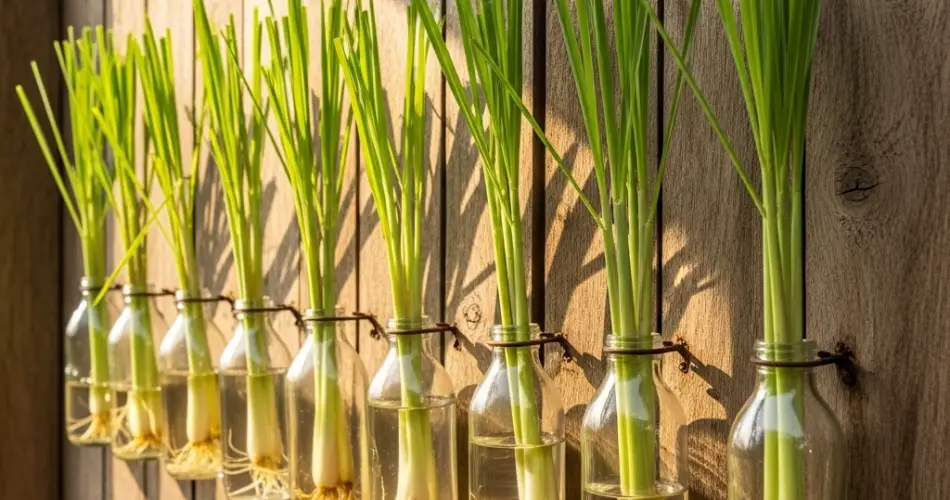
Growing fresh lemongrass at home is a treat for both the kitchen and the eyes. With its citrusy aroma and versatile flavor, lemongrass elevates soups, teas, marinades, and curries. For urban gardeners or anyone with limited space, a vertical wall garden using recycled bottles offers a sustainable and efficient way to cultivate this aromatic herb. This DIY approach transforms ordinary bottles into a productive, visually appealing garden that brings fresh herbs right to your kitchen.
Selecting the Right Bottles
Start by collecting medium-sized plastic bottles, typically 1–2 liters, which provide enough soil depth for lemongrass roots while remaining manageable for vertical mounting. Ensure the bottles are clean and free of residues. Transparent bottles allow you to monitor soil moisture easily, while colored or decorated bottles add aesthetic charm. Properly prepared bottles are essential for a successful wall garden.
Preparing Bottles for Planting
To create planting space, cut a horizontal section near the top of each bottle. This opening should be large enough to accommodate lemongrass stalks or seedlings comfortably. Drill or poke small drainage holes in the bottom to prevent water from accumulating and causing root rot. If the bottles are to be hung vertically, attach sturdy strings, hooks, or brackets to hold them securely in place on your wall or balcony.
Soil and Planting
Lemongrass thrives in nutrient-rich, well-draining soil. A high-quality potting mix combined with a small amount of compost or organic fertilizer works best. Fill each bottle with soil, leaving a little space at the top to prevent overflow when watering. Lemongrass can be grown from fresh stalks or seedlings. For stalks, select firm bases with healthy green tops and soak them in water until roots develop. Seedlings can be transplanted directly into the soil, ensuring the roots are fully covered and the plant is stable.
Lighting Requirements
Lemongrass requires plenty of sunlight to grow robustly. Place your vertical garden in a location that receives at least six hours of direct sunlight daily, such as near a south- or west-facing window or on a balcony. If natural light is insufficient, use a full-spectrum grow light to support healthy growth. Rotate the bottles periodically to ensure all plants receive even light and maintain uniform growth.
Watering and Humidity
Maintaining consistent moisture is critical. Keep the soil evenly moist but not waterlogged, watering whenever the top inch of soil feels dry. Lemongrass also benefits from moderate humidity. In dry indoor conditions or during winter, misting the leaves occasionally or using a small humidity tray helps replicate the herb’s natural tropical environment, promoting tender stalks and lush green foliage.
Mounting Your Wall Garden
Once the bottles are prepared and planted, arrange them vertically on a wall, railing, or balcony. Secure each bottle using hooks, nails, or strings, ensuring they are balanced and stable. Stagger the bottles to maximize light exposure and airflow around each plant. This vertical arrangement saves space, encourages healthy growth, and creates an attractive, eye-catching display.
Fertilizing and Maintenance
Lemongrass grows best when fed regularly. Apply a balanced, water-soluble fertilizer every four to six weeks to encourage strong stems and healthy foliage. Inspect plants regularly for pests like aphids or spider mites, and address any infestations promptly with gentle insecticidal soap or by wiping leaves with a damp cloth. Remove yellow or damaged leaves to maintain plant health and encourage new growth.
Harvesting Lemongrass
Harvest lemongrass by cutting the outer stalks near the base, leaving inner stalks to continue growing. Regular harvesting encourages bushier plants and a continuous supply of fresh, aromatic stalks for culinary use. The leaves can also be used in teas, infusions, and garnishes, making this herb a versatile addition to your kitchen.
Benefits of a DIY Bottle Wall Garden
A vertical lemongrass garden made from recycled bottles is both eco-friendly and practical. It repurposes plastic waste while creating a functional growing space. This setup is perfect for small apartments, kitchens, or balconies, allowing you to grow fresh herbs without taking up floor space. In addition to its culinary value, the lush greenery brings a touch of nature indoors, enhancing your home environment.
Expanding Your Vertical Garden
Once your lemongrass garden is established, consider adding other herbs such as basil, mint, or coriander, which share similar light and water requirements. Decorating bottles with paint, labels, or patterns can add a personal touch and visual interest. A mixed vertical garden of herbs creates a productive, aromatic, and visually appealing display that complements both indoor and outdoor spaces.
Conclusion
Building a vertical wall garden for lemongrass using recycled bottles is an innovative, space-saving, and sustainable way to cultivate fresh herbs. With proper soil, light, watering, and maintenance, your lemongrass plants will thrive, providing aromatic stalks for cooking, teas, and infusions. This DIY method turns everyday bottles into a functional and attractive herb garden, giving you a continuous supply of fresh lemongrass while enhancing your home with lush greenery.


