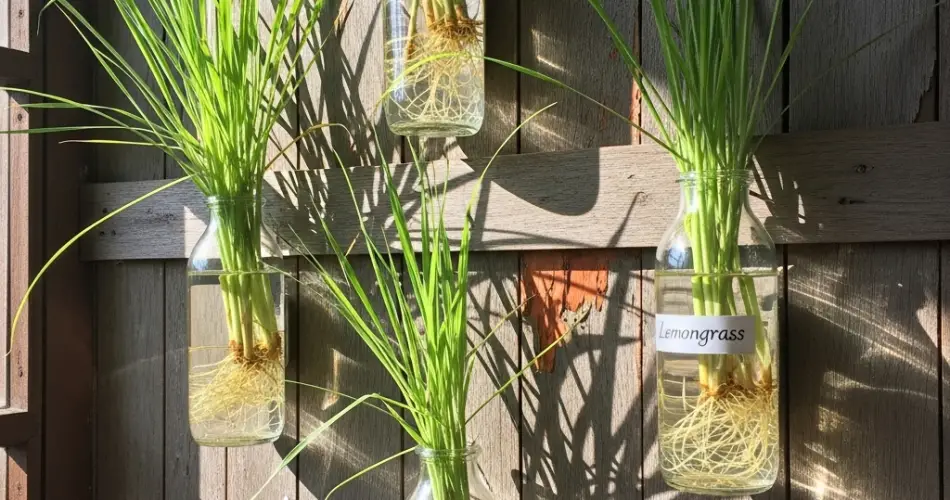
Lemongrass (Cymbopogon citratus) is a highly aromatic herb widely loved for its fresh, citrusy fragrance and versatile uses in cooking, teas, and natural remedies. While it is often grown in large garden beds, innovative gardeners have found ways to cultivate this plant even in the smallest spaces. One such method is using wall-mounted bottle planters. By transforming plastic bottles into vertical growing containers, you can enjoy fragrant lemongrass right at home without the need for large outdoor plots.
This sustainable approach makes the most of limited space, reduces plastic waste, and allows you to keep a steady supply of fresh lemongrass for culinary and household use. Whether you live in an apartment or simply want a green wall in your backyard, wall-mounted bottle planters provide an effective solution.
Why Lemongrass Thrives in Vertical Bottle Gardens
Lemongrass is particularly well-suited for bottle-based wall planters due to its growth habits and low-maintenance requirements.
-
Fast Growth: With adequate sunlight and water, lemongrass establishes quickly, making it rewarding for beginner gardeners.
-
Compact Root System: While it forms clumps, it can adapt to confined soil spaces provided drainage is good.
-
Culinary and Medicinal Uses: Fresh stalks and leaves are used in teas, soups, marinades, and home remedies, ensuring you always have a functional harvest.
-
Aromatic Benefits: The strong citrus scent not only freshens your home but may also help repel insects.
Materials Needed for Wall-Mounted Lemongrass Planters
Creating your own hanging bottle garden is simple and inexpensive. Gather the following materials:
-
Several 1.5- or 2-liter plastic bottles
-
Scissors or a utility knife
-
Strong hooks, nails, or wall brackets
-
Zip ties, wire, or sturdy string
-
Potting soil enriched with compost
-
Lemongrass stalks or seedlings
-
A watering can or spray bottle
Step-by-Step Guide
1. Preparing the Bottles
Clean and dry the bottles thoroughly. Cut a rectangular window on one side of each bottle large enough to insert soil and the lemongrass stalk. Keep the cap screwed on and make small drainage holes at the bottom to prevent waterlogging.
2. Mounting the Bottles
Decide on your wall arrangement. Bottles can be mounted vertically in a row, staggered diagonally, or arranged in creative patterns. Secure them to a wooden frame, balcony railing, or sturdy wall using hooks, zip ties, or wire. Make sure they are fastened tightly enough to hold the weight of soil and plants.
3. Adding Soil
Fill each bottle two-thirds with potting soil mixed with compost. Lemongrass thrives in rich, well-draining soil. If your soil is heavy, add sand or perlite to improve aeration.
4. Planting Lemongrass
If starting from stalks, select firm stalks with intact bases. Place them in water until roots appear, then transplant into your bottle planters. If using seedlings, carefully position the roots into the soil and cover them lightly. Plant only one or two stalks per bottle to give them room to expand.
5. Positioning the Garden
Mount your wall garden in a location that receives at least six hours of direct sunlight daily. Lemongrass loves warmth and brightness. A sunny balcony wall, terrace, or outdoor kitchen wall is perfect. Indoors, place the bottles near a south-facing window or use grow lights.
Caring for Lemongrass in Wall-Mounted Bottles
Watering
Because bottle planters hold limited soil, moisture levels change quickly. Check the soil frequently and water whenever the top layer feels dry. Ensure water drains out to prevent root rot.
Fertilizing
Feed your lemongrass once a month with liquid fertilizer or compost tea. Since nutrients deplete quickly in small containers, regular feeding is important for lush, healthy growth.
Pruning and Harvesting
Trim back dry leaves and harvest stalks once they reach about a foot tall. To harvest, pull out mature stalks from the base, leaving smaller shoots to continue growing. Leaves can also be snipped and used fresh for teas or broths.
Pest and Disease Care
Lemongrass is naturally pest-resistant thanks to its strong aroma. However, keep an eye out for fungal issues caused by poor drainage. Good air circulation and proper watering will prevent most problems.
Benefits of a Lemongrass Bottle Wall Garden
-
Space-Saving Design: Perfect for small apartments, patios, and urban homes.
-
Eco-Friendly Gardening: Repurposes discarded bottles and reduces waste.
-
Fresh Supply Year-Round: Keeps flavorful lemongrass within easy reach for cooking and teas.
-
Decorative Appeal: Adds greenery and fragrance to blank walls, enhancing both indoor and outdoor spaces.
-
Low Maintenance: With minimal care, lemongrass continues to thrive and multiply.
Using Fresh Lemongrass
Freshly harvested lemongrass stalks can be bruised and added to soups, curries, teas, and marinades. The leaves, though tougher, are excellent for infusions. For longer storage, stalks can be frozen or dried without losing their flavor and aroma.
Final Thoughts
Wall-mounted bottle planters offer a creative way to grow fragrant lemongrass even in compact spaces. This sustainable method not only provides a steady source of fresh herbs but also turns unused vertical surfaces into functional green features. With just a few recycled bottles, some soil, and a sunny wall, you can enjoy the beauty, fragrance, and culinary benefits of lemongrass right at home.
A bottle-based wall garden demonstrates that with ingenuity and care, even small living spaces can be transformed into productive and beautiful herb gardens.


