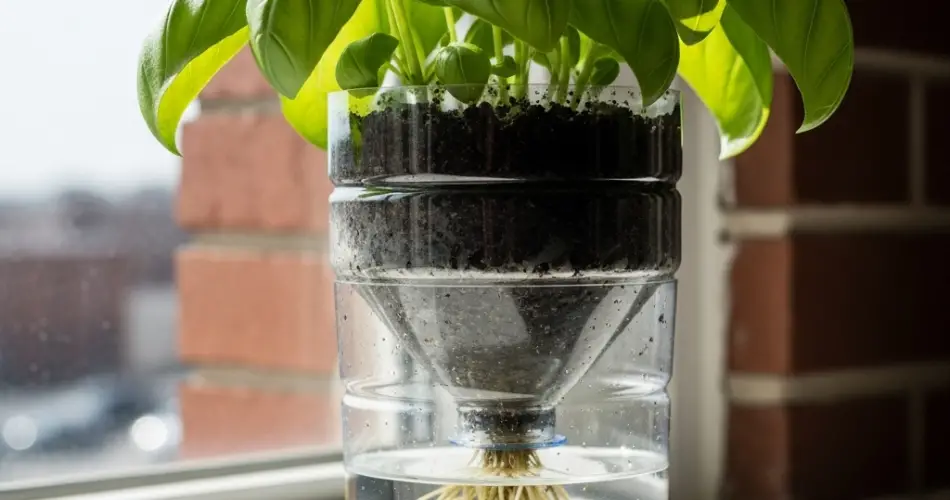
Basil is a popular culinary herb that adds fresh, aromatic flavor to dishes ranging from pasta and salads to sauces and pesto. While basil seeds are widely available, propagating basil from cuttings is a fast and easy way to multiply your plants and enjoy a continuous supply. One practical and eco-friendly method is using upcycled plastic bottles as rooting containers. This approach is simple, space-saving, and perfect for urban gardeners or anyone looking to reduce waste.
Using plastic bottles to propagate basil combines sustainability with convenience. These DIY planters allow you to watch roots develop while providing a controlled environment for your cuttings. Whether you have a balcony, windowsill, or small backyard, this method ensures healthy, thriving basil plants for your kitchen.
Why Root Basil in Water
Rooting basil in water offers several advantages:
-
Fast Growth: Basil cuttings often develop roots more quickly in water than directly in soil.
-
Easy Observation: You can monitor root development and remove any cuttings that show signs of rot.
-
Space Efficiency: Bottles take up minimal space, making them suitable for indoor propagation.
-
Recycling Benefits: Upcycling plastic bottles reduces waste while creating functional planters.
This method is ideal for gardeners who want a simple, low-maintenance way to propagate fresh basil.
Choosing the Right Plastic Bottle
Selecting an appropriate bottle is key to successful basil propagation.
Size and Shape
Use bottles that are at least 1–2 liters in size. This provides enough water volume for the cuttings to stay hydrated and room for roots to grow. Narrow-neck bottles work well for supporting cuttings and keeping them upright.
Cleanliness
Wash bottles thoroughly with warm water and a small amount of mild soap to remove any residues. Rinse well to avoid contamination that could harm your basil cuttings.
Optional Adjustments
Cut the bottle in half to create a convenient open container, or make a small slit in the side to insert the cutting while keeping the top portion as a cover to reduce evaporation.
Preparing Basil Cuttings
Choose healthy, mature basil stems from an existing plant. Avoid woody or flower-bearing stems, as these root more slowly.
Steps for Preparing Cuttings
-
Select a stem about 4–6 inches long with several sets of leaves.
-
Use clean scissors or pruning shears to make a clean cut just below a leaf node (the point where leaves attach to the stem).
-
Remove the lower leaves to prevent them from sitting in water and rotting.
-
Optional: Dip the cut end in rooting hormone to encourage faster root development.
Rooting Basil in Water
Once your cuttings are prepared, place them in the plastic bottle filled with fresh, room-temperature water.
Tips for Successful Rooting
-
Ensure at least one leaf node is submerged, as this is where roots will emerge.
-
Place bottles in a bright location with indirect sunlight. Avoid direct sun, which can overheat the water.
-
Change the water every 2–3 days to keep it fresh and oxygenated.
Roots typically begin to form within 1–2 weeks. Longer roots indicate a healthy cutting ready for transplanting into soil.
Transplanting Basil Cuttings
Once roots are 2–3 inches long, your basil cuttings are ready to move to soil.
Steps for Transplanting
-
Fill a small pot or crate planter with well-draining potting mix. A mix of potting soil and perlite or sand works well.
-
Make a small hole in the soil and gently place the rooted cutting, ensuring the roots are fully covered.
-
Water the soil lightly and keep it consistently moist for the first few weeks.
-
Gradually acclimate the plant to more sunlight over time to strengthen its growth.
Transplanted basil thrives in sunny locations with at least 6 hours of sunlight per day. Regular watering and occasional feeding will keep the plants productive and lush.
Maintaining Healthy Basil Plants
To encourage continuous growth and prevent legginess:
-
Pinch back the tips regularly to promote bushy growth.
-
Remove any flower buds to focus energy on leaf production.
-
Monitor for pests such as aphids or spider mites and manage them promptly.
With proper care, your basil will remain flavorful and aromatic throughout the growing season.
Styling and Using Basil
Basil grown in upcycled bottles or transplanted to crates can enhance your kitchen or garden aesthetically:
-
Display the bottles on a sunny windowsill for easy access while cooking.
-
Combine several bottles in a rustic crate for a charming, space-efficient herb garden.
-
Harvest leaves as needed for fresh culinary use or preserve them by drying or freezing.
This approach allows you to enjoy fresh basil year-round while practicing sustainable gardening.
Final Thoughts
Propagating basil using upcycled plastic bottles is an easy, cost-effective, and eco-friendly gardening method. With simple preparation, proper light, and regular water changes, you can grow healthy basil cuttings ready for soil transplanting.
This method is perfect for small-space gardeners and urban dwellers, providing a continuous supply of fresh, aromatic basil for your kitchen. By combining upcycling with practical gardening techniques, you create an attractive, functional, and sustainable herb-growing system.


