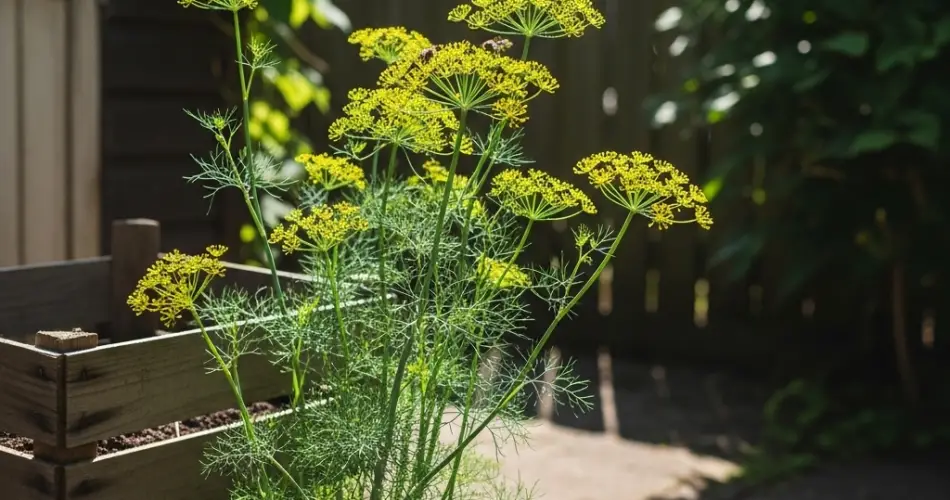
Dill is a versatile and fragrant herb prized for its delicate, feathery foliage and tangy flavor. It’s a favorite for seasoning fish, flavoring pickles, and adding a fresh touch to salads. When grown in ideal conditions, dill can grow quite tall—sometimes reaching over 90 centimeters—which means it often needs some form of support to prevent bending or breakage.
Crate planters offer an excellent solution for small-space gardeners or anyone who wants a portable, controlled environment for growing dill. However, tall growth in a confined space requires special attention to stability. With the right support techniques, you can keep your dill plants upright, healthy, and productive.
Why Dill Benefits from Support
Dill’s stems are slender and flexible, making them susceptible to bending under their own weight—especially when they’re topped with large flower heads or exposed to wind. Crate planters, while convenient, can sometimes limit root anchorage compared to garden soil. Providing proper support helps:
-
Prevent stems from falling over and breaking
-
Keep leaves clean and off the soil
-
Improve air circulation, reducing the risk of disease
-
Make harvesting easier and cleaner
Choosing the Right Crate
Select a sturdy wooden crate that is at least 30–35 cm deep. Dill develops a taproot, so a deep container allows for healthy root growth. Ensure the crate has adequate drainage holes to prevent waterlogging. Line the inside with landscape fabric or burlap to keep the soil in place while allowing excess water to escape.
The Ideal Soil and Planting Method
Dill thrives in well-draining, slightly acidic to neutral soil (pH 6.0–7.0). For crate planting, mix:
-
2 parts quality potting soil
-
1 part compost for nutrients
-
1 part coarse sand or perlite for better drainage
Sow seeds directly in the crate, as dill doesn’t transplant well due to its sensitive taproot. Plant seeds about 0.5 cm deep and space them 15–20 cm apart. Water gently to settle the soil without washing the seeds away.
Support Options for Tall Dill
When dill begins to grow past 30 cm in height, it’s a good time to provide support. Here are some reliable methods:
1. Bamboo Stakes
Place thin bamboo stakes in the soil near each plant. Use soft garden twine or plant ties to loosely secure the stems to the stakes, leaving room for growth.
2. Circular Plant Supports
These are metal or plastic rings with legs that can be inserted into the crate. As the dill grows, its stems rest inside the ring, keeping them upright.
3. String Trellis
For a more decorative approach, attach stakes at each corner of the crate and run twine horizontally every 10–15 cm up the height. This allows stems to lean gently without breaking.
4. Companion Support
Plant dill alongside sturdier herbs like rosemary or lavender in the same crate. The strong neighboring plants can act as natural windbreaks and supports.
Watering and Feeding for Strong Stems
Dill prefers evenly moist soil but is prone to root rot if waterlogged. In crate planters, the soil can dry out faster than in the ground, so check moisture regularly. Water deeply when the top few centimeters of soil feel dry.
To encourage strong growth, feed dill every 3–4 weeks with a diluted liquid fertilizer high in potassium, which supports healthy stems and foliage. Avoid overfeeding nitrogen, as it can make stems too soft and prone to collapse.
Pruning and Harvesting Tips
Regular harvesting can actually help manage dill’s height and keep stems sturdy. Pinch or snip the top sets of leaves once plants are about 20–25 cm tall. This encourages bushier growth and delays flowering, which often signals the end of the plant’s life cycle.
When harvesting, cut stems early in the morning after dew has dried for the best flavor. If you want dill seeds, allow some plants to flower and set seed, but be prepared for them to grow even taller and require extra support.
Protecting Dill from Wind and Weather
Even with support, strong winds can damage dill’s delicate stems. If your crate garden is on a balcony or open patio, position the crates near a wall or railing for added protection. In very windy conditions, consider using lightweight mesh or a portable plant shield to buffer the plants.
Common Problems to Watch For
-
Bolting too soon – Hot temperatures can cause dill to flower early. Provide light afternoon shade in hot climates to extend the harvest period.
-
Aphids – These pests sometimes cluster on tender dill stems. Spray them off with water or use a mild soap solution.
-
Weak stems – Often a sign of overwatering, poor sunlight, or excessive nitrogen fertilizer. Adjust conditions accordingly.
Final Thoughts
Growing tall dill in crate planters is both practical and rewarding, especially for gardeners with limited space. By selecting a deep, well-draining crate, planting seeds directly, and providing timely support, you can enjoy upright, healthy dill plants that are easy to harvest.
Whether you’re snipping delicate fronds for salads, seasoning seafood, or collecting seeds for pickling, supported dill plants will remain productive and beautiful throughout the growing season. With these simple techniques, you’ll have a thriving herb garden in your crate planters—right at your fingertips.


