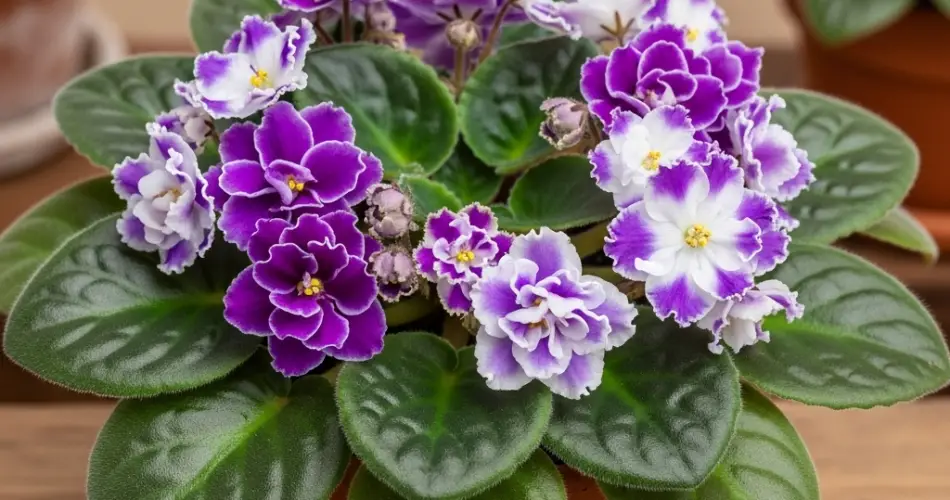
African violets (Saintpaulia) are beloved for their velvety foliage and delicate flowers, often blooming year-round with proper care. While many houseplant lovers focus on light and watering, one of the most overlooked aspects of maintaining healthy African violets is timely repotting. These compact plants require regular attention to their root systems and soil to ensure continuous blooming and longevity.
Here’s everything you need to know about when to repot African violets and how to do it properly for a thriving plant.
Why African Violets Need Repotting
African violets grow continuously and, over time, deplete the nutrients in their potting mix. The roots can also become crowded, leading to poor air circulation and water absorption. Additionally, the buildup of salts from fertilizers in the soil can damage the plant’s roots and cause leaf spotting or stunted growth.
Repotting:
-
Refreshes the soil and replenishes nutrients
-
Improves drainage and oxygen to the roots
-
Prevents root rot and disease from compacted or exhausted media
-
Promotes fuller flowering and healthy foliage
When to Repot
African violets typically benefit from repotting every 6 to 12 months. However, there are signs that indicate it’s time for a refresh sooner:
Key signs to repot:
-
The plant looks leggy or has a “neck” of bare stem
-
Roots are growing out of the drainage holes
-
Water sits on the surface and takes too long to soak in
-
The potting mix feels compacted or smells musty
-
Reduced flowering or pale, yellowing leaves
Also consider repotting after purchasing a new plant or if it’s recovering from overwatering or pest issues.
Choosing the Right Pot
African violets prefer small, shallow containers. A general rule is to select a pot that’s one-third the diameter of the leaf span.
Tips for choosing a pot:
-
Use a 3 to 4-inch pot for standard African violets
-
Opt for plastic or ceramic pots with drainage holes
-
Avoid oversized containers, as they hold too much moisture and slow down flowering
If you’re dealing with a tall plant with a bare neck, consider repotting deeper into a slightly larger pot to bury the bare stem.
Selecting the Best Soil Mix
African violets thrive in a light, airy potting mix that retains moisture but allows good drainage. Avoid using regular garden soil, which is too heavy and can suffocate the roots.
Ideal potting mix:
-
1 part peat moss or coconut coir (for moisture retention)
-
1 part perlite or vermiculite (for aeration and drainage)
-
Optional: 1 part African violet-specific potting soil
You can also purchase pre-mixed African violet soil from garden centers, which is designed to support their specific needs.
Step-by-Step Repotting Guide
Step 1: Prepare your materials
Gather a new pot, fresh potting mix, a spoon or knife (for loosening the plant), and clean scissors or pruning shears.
Step 2: Remove the plant from its old pot
Gently tap the pot’s sides or use a spoon to lift the plant out. Be cautious not to damage the leaves or crown.
Step 3: Trim dead or damaged roots and leaves
Check the root system for rot or decay. Trim any mushy or blackened roots. Remove yellow or wilted leaves.
Step 4: Rejuvenate the crown (if needed)
If your African violet has a bare neck, gently scrape away the top layer of soil and lower the plant into the new pot so the neck is just below the soil line.
Step 5: Repot into fresh soil
Place a small amount of potting mix at the bottom of the new pot. Position the plant and fill in around the roots with soil. Firm gently but don’t pack it tightly.
Step 6: Water lightly
Water from the bottom by placing the pot in a saucer of water. Let it absorb moisture for about 30 minutes, then drain any excess. Avoid getting water on the leaves to prevent spots or rot.
Post-Repotting Care
After repotting, keep the plant in a bright, indirect light location. It may take a few weeks to adjust and resume flowering. Avoid fertilizing immediately—wait about a month to allow the roots to settle into the new soil.
Tips for post-repotting success:
-
Maintain high humidity if the plant shows signs of stress
-
Resume light fertilizing after 3–4 weeks using a diluted, balanced fertilizer
-
Continue bottom-watering to keep foliage dry and healthy
Final Thoughts
Repotting African violets is a simple but powerful way to keep them healthy and blooming beautifully. By using the right pot, refreshing the soil, and handling the roots with care, you’ll give your plant the best conditions to thrive indoors.
Regular repotting not only extends the life of your African violets but also enhances their visual appeal. Whether you’re a beginner or a seasoned indoor gardener, making repotting part of your plant care routine will ensure your violets remain vibrant and full of charm all year long.


