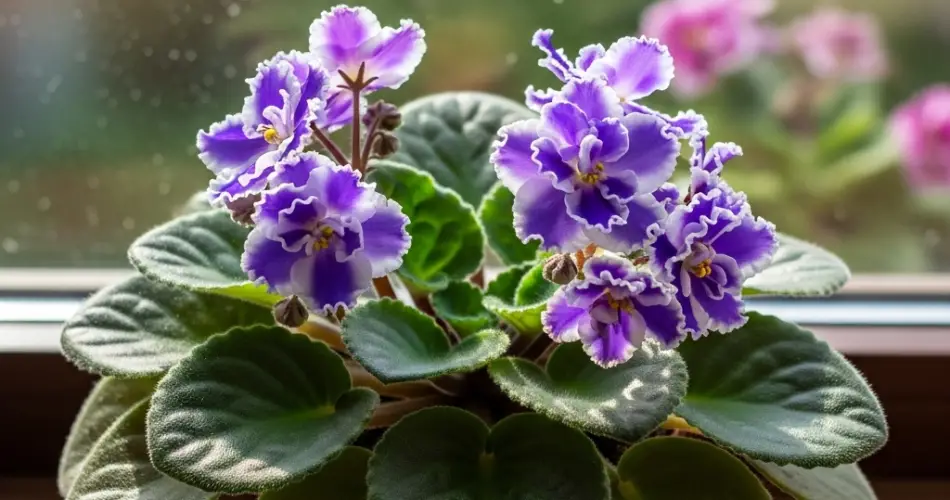
African violets are beloved for their charming, velvety leaves and vibrant blooms that come in purples, pinks, whites, and blues. These delicate houseplants are perfect for brightening up indoor spaces, and with the right care, they can flower almost year-round. While light, water, and feeding are all critical to their success, one often-overlooked factor is the choice of pot.
Using the right container not only enhances the visual appeal of your African violets but also plays a major role in keeping them healthy. Let’s explore the best potting options that merge beauty with function—ensuring your African violets thrive in style.
Why Pot Choice Matters
African violets have shallow root systems and are sensitive to excess moisture. The wrong container can lead to root rot, poor flowering, and even plant death. That’s why it’s important to choose pots that balance good drainage, breathability, and size while complementing the aesthetic of your space.
Size: Keep It Snug
African violets actually prefer to be slightly root-bound. If the pot is too large, the plant will put energy into root growth rather than blooming. A good rule of thumb is to use a pot that’s about one-third the diameter of the plant’s leaf spread. For example, a 9-inch-wide plant should be in a 3-inch pot.
As the plant matures or produces offshoots, you can upgrade to a slightly larger pot, but always go up just one size at a time.
Material Matters: Pros and Cons
There are a few common materials for decorative pots, and each has benefits and drawbacks when used with African violets.
Plastic Pots
-
Pros: Lightweight, inexpensive, and retain moisture well.
-
Cons: Poor breathability can lead to overly moist soil if drainage is inadequate.
-
Tip: Choose plastic pots with ample drainage holes, and avoid overwatering.
Terracotta Pots
-
Pros: Excellent air circulation; helps prevent root rot.
-
Cons: Porous material dries out quickly and may wick moisture away from the soil.
-
Tip: Use for homes with higher humidity or if you tend to overwater.
Ceramic Pots
-
Pros: Visually appealing and come in a variety of colors and styles.
-
Cons: Glazed ceramics may retain moisture too well unless they have drainage holes.
-
Tip: Always check for proper drainage and consider placing a plastic insert pot inside to control moisture more easily.
Self-Watering Pots: A Popular Solution
African violets benefit from consistent moisture, and self-watering pots provide that with minimal fuss. These containers typically have two parts: an inner pot that holds the plant and soil, and an outer reservoir that stores water. A wick or capillary action draws water up into the root zone as needed.
Self-watering pots are ideal for busy plant owners or for those who struggle with over- or underwatering. They’re especially helpful for African violets, which don’t like water splashed on their leaves.
Wick Watering Setup
If you don’t want to purchase a pre-made self-watering pot, you can make your own wick watering system. Simply use:
-
A small plastic inner pot with drainage holes
-
A decorative outer container to act as the reservoir
-
A piece of cotton rope or nylon string as the wick
Thread the wick through the bottom of the inner pot and into the reservoir so it draws up water. This DIY method works well and lets you use more decorative outer pots without compromising the plant’s needs.
Drainage is Non-Negotiable
No matter how beautiful a pot is, it must allow excess water to escape. African violets are highly susceptible to root rot when their roots sit in soggy soil. If your favorite decorative pot doesn’t have drainage holes, consider using it as a cachepot—a decorative outer pot that houses a plastic nursery pot with holes inside.
When watering, remove the inner pot, let the water drain completely, and then place it back into the cachepot. This way, you get the best of both worlds: visual appeal and healthy roots.
Elevating Display and Function
Decorative pots can help elevate your indoor décor while supporting your plant’s needs. Consider pots that complement your home’s style, whether modern, vintage, boho, or minimalist. African violets look great on windowsills, tiered plant stands, or grouped with other flowering plants for a vibrant corner.
Some extra tips for better results:
-
Use pot feet or plant stands to promote airflow under the pot.
-
Keep pots off cold surfaces during winter to prevent stress.
-
Rotate the pot weekly to encourage even growth and blooming.
Final Thoughts
African violets are as charming as they are rewarding. With the right decorative pot—one that balances form and function—you can help them bloom beautifully for months on end. Remember to prioritize good drainage, choose a pot that’s not too large, and consider self-watering setups if you struggle with moisture control.
By matching your pot’s style with your plant’s needs, you’ll enjoy a stunning and healthy African violet display that brightens up any room in your home.


