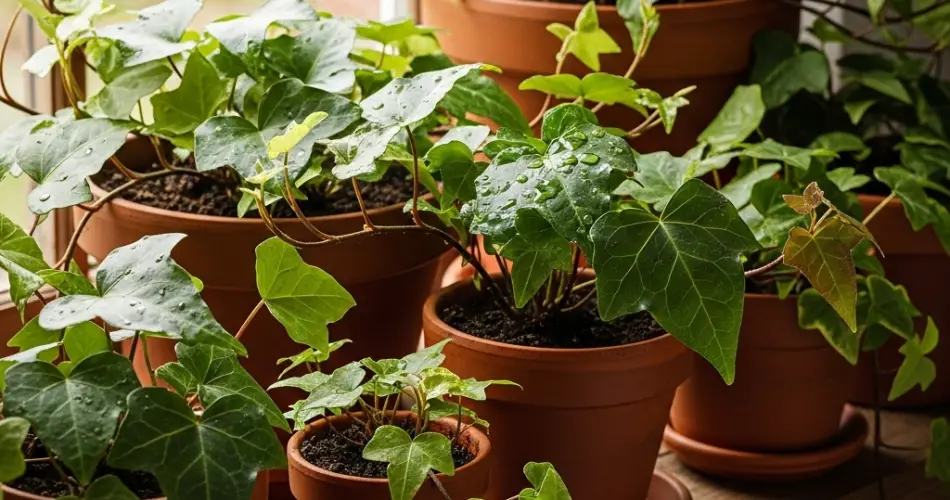
English ivy (Hedera helix) is a versatile and attractive indoor plant known for its elegant trailing vines and classic charm. Whether you want a cascading plant from a hanging basket, a living curtain on a trellis, or a tidy tabletop specimen, English ivy adapts beautifully with the right potting technique and training method. Indoors, it also helps purify the air, making it a practical and ornamental addition to your living space.
Here’s a complete guide to potting and training English ivy indoors, from soil selection to shaping your plant as it grows.
Choosing the Right Pot
Start by selecting a pot that accommodates ivy’s root system while providing good drainage. English ivy doesn’t like soggy roots, so drainage holes are a must.
Ideal pot size and type:
-
A 6–8 inch pot works well for young or small ivy plants
-
Use plastic, ceramic, or terra cotta pots—just make sure there’s a drainage hole
-
Hanging baskets or shallow planters are excellent if you want trailing growth
For trellised ivy, a deeper pot with a stable base is important to support vertical growth structures.
Selecting the Best Potting Mix
English ivy prefers slightly moist but well-drained soil. It thrives in a lightweight potting mix that retains some moisture without becoming waterlogged.
Recommended mix:
-
2 parts all-purpose potting soil
-
1 part perlite or coarse sand
-
Optional: A handful of peat moss or coconut coir to improve moisture retention
Avoid heavy garden soil or compact mixes, as they hinder root health and drainage.
How to Pot English Ivy
Step 1: Prepare the pot
Place a small layer of gravel or broken pottery at the bottom of the pot to enhance drainage. Fill one-third of the container with your prepared soil mix.
Step 2: Remove the plant from its nursery container
Gently loosen the roots if they’re tightly wound. If the root ball is dense, tease the roots slightly to encourage outward growth.
Step 3: Position the plant
Place the ivy in the center (or side, if using a hanging basket). Fill in the sides with more potting mix, leaving about 1 inch of space from the rim.
Step 4: Water thoroughly
Water the ivy deeply, letting the excess drain out. Avoid letting the pot sit in standing water, as English ivy is prone to root rot.
Light and Temperature Needs
English ivy does best in bright, indirect light, though it can tolerate lower light conditions. However, variegated varieties need more light to maintain their color.
Ideal conditions:
-
Bright filtered light near a window
-
Avoid direct sun, especially in summer, which can scorch the leaves
-
Room temperatures between 15–24°C (60–75°F) are optimal
-
Keep away from heating vents or cold drafts
Inadequate light can lead to leggy growth and leaf drop, so adjust placement as needed.
How to Train English Ivy Indoors
One of the main attractions of English ivy is its ability to grow in various forms. With a little guidance, you can train it to climb, trail, or form decorative shapes.
1. Training on a Trellis or Frame
Insert a small trellis or moss pole into the pot at planting time. As new vines grow, gently tie or clip them to the support with soft ties or garden clips.
Tips:
-
Use plant-safe ties that won’t damage delicate stems
-
As vines grow, wrap them around the frame or weave them through openings
-
Prune stray or unbalanced stems to encourage even coverage
2. Trailing from Hanging Baskets or Shelves
If you prefer cascading ivy, simply let the vines hang over the pot’s edge. This works well in hanging planters or on high shelves.
Tips:
-
Rotate the pot every couple of weeks for balanced growth
-
Trim tips regularly to promote bushier vines
-
Propagate cuttings if vines get too long or sparse
3. Shaping Topiary Forms
English ivy can be grown around wire frames shaped into spheres, hearts, or spirals for a decorative touch.
To do this:
-
Insert a pre-made topiary form into the pot
-
Guide ivy vines around the frame and secure with soft ties
-
Regularly prune and redirect growth to maintain the shape
Watering and General Care
English ivy enjoys consistent moisture, but not wet feet. Allow the top inch of soil to dry out before watering again.
General care tips:
-
Mist the plant occasionally to increase humidity, especially in dry indoor air
-
Fertilize monthly during the growing season with a balanced liquid fertilizer
-
Remove yellow or dead leaves to encourage healthy new growth
-
Watch for pests like spider mites or aphids—treat early with insecticidal soap
Prune regularly to prevent the plant from becoming leggy and to control size. Pruning also stimulates new, bushier growth.
Final Thoughts
With its graceful vines and adaptability, English ivy is an excellent choice for adding greenery to any indoor space. Potting and training ivy is simple and rewarding—whether you’re draping it from a shelf, shaping it around a frame, or letting it climb a trellis.
By giving it the right container, soil, and structure to grow on, you can enjoy lush, vibrant foliage indoors year-round.


