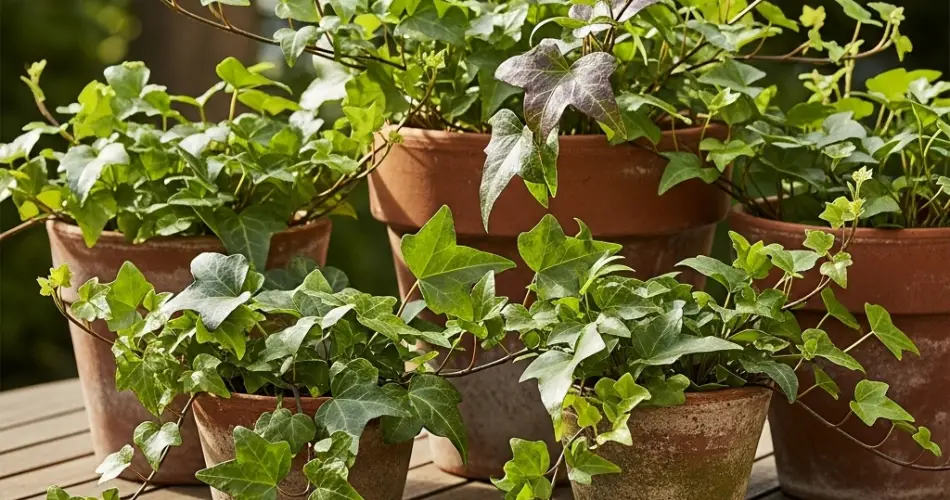
English ivy (Hedera helix) is a classic and versatile houseplant that brings timeless elegance to any indoor space. With its trailing vines and attractive, lobed leaves, this plant is not only beautiful but also effective at purifying indoor air. Whether cascading from a hanging basket or climbing a trellis, English ivy adds charm and greenery to shelves, walls, or windowsills.
While English ivy is hardy and adaptable, it thrives best when given the right care. Here’s a practical guide to growing lush, healthy English ivy indoors using simple, proven techniques.
1. Choose the Right Location
Light is key to vibrant English ivy growth. These plants prefer bright, indirect light, although they can tolerate moderate shade. Place your ivy near an east or north-facing window where it receives a few hours of gentle light each day. Too much direct sun, especially from a south-facing window, can scorch the leaves.
If your plant starts to look leggy or loses its variegation, it’s a sign that it needs more light. Rotate the pot occasionally to ensure even growth and prevent the plant from leaning toward the light source.
2. Maintain the Right Temperature and Humidity
English ivy prefers cooler indoor temperatures, ideally between 50°F and 70°F (10°C to 21°C). It doesn’t do well in dry, heated environments, so if your home has central heating during the colder months, consider adding some humidity.
Mist the plant regularly or place a tray of water with pebbles nearby to increase the moisture in the air. Avoid placing ivy near heating vents or drafty windows, as sudden temperature changes can damage the plant.
3. Use the Right Pot and Soil
A well-draining container is essential to prevent root rot. Choose a pot with drainage holes, and consider using a terracotta or unglazed ceramic pot, which helps wick excess moisture from the soil.
Use a light, well-draining potting mix—a blend formulated for houseplants or one that includes peat moss, perlite, and vermiculite works well. Avoid dense, moisture-retentive soils, which can suffocate the roots.
4. Water with Care
English ivy doesn’t like wet feet. Let the top inch of soil dry out before watering. When you water, do so thoroughly, allowing the excess to drain from the bottom of the pot.
During the growing season (spring through early fall), water consistently but not too frequently. In the winter months, reduce watering since the plant enters a rest period and its water needs decrease.
A moisture meter or simply testing the soil with your finger can help you determine the right time to water.
5. Prune for Shape and Health
Regular pruning encourages bushier growth and prevents the vines from getting too long or unruly. Trim back stems with clean scissors to maintain the desired size and shape.
Remove any yellowing or damaged leaves to keep the plant looking fresh. You can also pinch back growing tips to promote branching, resulting in a fuller appearance.
6. Fertilize Sparingly
English ivy is not a heavy feeder. During the active growing months (spring through early fall), feed your plant once a month with a balanced, water-soluble fertilizer diluted to half strength.
Avoid overfertilizing, which can cause salt buildup in the soil and lead to leaf burn. Skip fertilizing in winter when the plant’s growth naturally slows down.
7. Watch for Pests
English ivy can occasionally attract pests like spider mites, aphids, and scale. Keep an eye out for webbing, sticky residue, or discolored leaves. If you spot any signs of infestation, isolate the plant and treat it with a mild insecticidal soap or neem oil spray.
Regularly misting the plant or wiping down the leaves with a damp cloth helps keep pests at bay and dust off the foliage.
8. Train and Display Creatively
One of the best parts about English ivy is how versatile it is when it comes to styling. Train the vines up a small indoor trellis, drape them from shelves, or let them trail from hanging planters. If you prefer a more compact look, simply keep trimming it to encourage dense, bushy growth.
9. Repot as Needed
English ivy doesn’t mind being slightly root-bound, but if you notice roots poking out of the drainage holes or the plant is drying out too quickly after watering, it may be time to repot.
Choose a pot just one size larger and refresh the soil. Repotting is best done in spring or early summer when the plant is actively growing.
Final Thoughts
English ivy is a rewarding plant that can thrive indoors with minimal fuss—provided you give it the right conditions. Bright indirect light, controlled watering, moderate humidity, and occasional pruning will keep your ivy looking lush and healthy. With its trailing vines and graceful form, English ivy brings a touch of the outdoors inside, making any room feel fresh and full of life.


