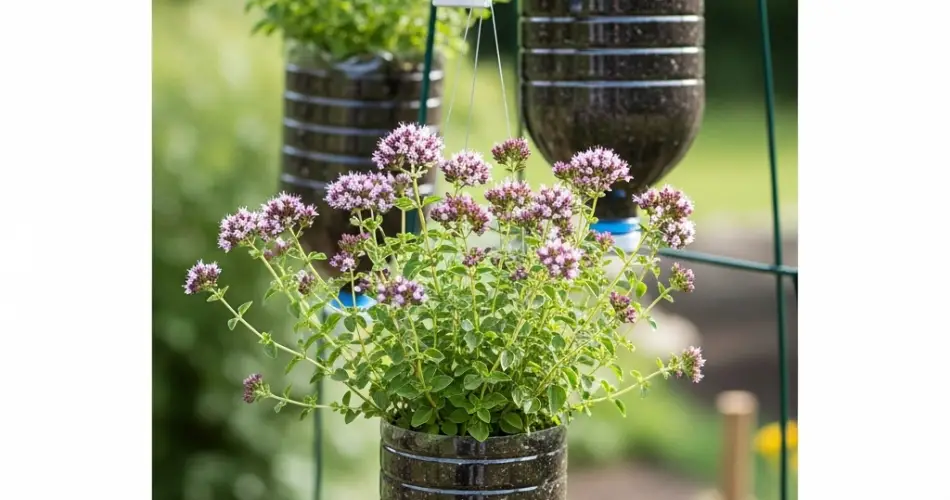
If you enjoy cooking with fresh herbs and want to start a simple, eco-friendly gardening project, growing oregano in hanging bottles is a great choice. Oregano is a flavorful and aromatic herb that grows well in containers, even in small spaces. By repurposing used plastic bottles, you can create a hanging garden that saves space, reduces waste, and brings the convenience of fresh herbs right to your balcony or kitchen window.
This method is perfect for beginners, urban gardeners, and anyone looking to make the most out of limited space using recycled materials. Here’s how to grow healthy oregano plants using hanging plastic bottles.
Why Choose Hanging Bottles for Oregano?
Plastic bottles are durable, lightweight, and widely available, making them ideal for DIY container gardening. Hanging them takes advantage of vertical space, which is especially useful for balconies, fences, or apartment walls.
Oregano, being a hardy Mediterranean herb, thrives in well-drained containers with good sun exposure. It requires little maintenance once established and provides fresh, homegrown leaves for months. Growing it in a recycled bottle is not only practical and sustainable, but also a visually appealing way to green up small living areas.
What You’ll Need
-
Empty plastic bottles (1.5 to 2 liters)
-
Cutter or scissors
-
Twine, rope, or strong string
-
A nail or hot needle (for poking holes)
-
Potting soil or a sandy, well-draining soil mix
-
Oregano seeds or cuttings
-
Pebbles or charcoal (optional, for drainage)
-
A sunny location for hanging
Preparing the Hanging Bottles
-
Clean the Bottles
Rinse the plastic bottles thoroughly to remove any residue. Remove labels to let light in and improve appearance. -
Cut the Bottle
Cut a rectangular window into the side of the bottle large enough to allow planting and maintenance. Keep the rest of the structure intact for strength and stability. -
Create Drainage Holes
Poke small holes in the bottom of each bottle to allow water to drain. This prevents waterlogging and root rot. -
Add a Drainage Layer
Place a layer of pebbles or crushed charcoal at the bottom of the bottle for extra drainage. This keeps roots healthy and the soil from compacting. -
Fill with Soil
Use a well-draining potting mix. A mixture of garden soil, coarse sand, and compost works well for oregano. Fill the bottle about three-quarters full, leaving room for watering.
Planting Oregano
Oregano can be grown from seeds or stem cuttings. Here’s how to do both:
From Seeds:
-
Sprinkle oregano seeds on the soil surface and lightly cover them with a thin layer of soil or compost.
-
Gently mist the top layer with water.
-
Place the bottle in a sunny area and keep the soil consistently moist (not wet).
-
Germination takes around 7–14 days.
From Cuttings:
-
Take a healthy oregano cutting about 4–5 inches long.
-
Remove leaves from the lower half and place the stem in water until roots form (about 7–10 days).
-
Transplant the rooted cutting into the bottle’s soil.
Hanging Your Bottle Garden
Once planted, hang the bottles in a sunny location. Oregano needs at least 6 hours of sunlight daily. Here’s how to hang them securely:
-
Make two small holes near the top of the bottle, one on each side.
-
Thread strong string or twine through the holes and tie securely to create a hanger.
-
Hang the bottles from hooks on a wall, balcony railing, or a horizontal support like a wooden beam or metal bar.
-
Make sure bottles are stable and spaced apart to allow good airflow and light penetration.
Care and Maintenance
-
Watering:
Water only when the top inch of soil feels dry. Oregano prefers slightly dry conditions, so avoid overwatering. -
Sunlight:
Ensure the hanging bottles get full sun. If growing indoors, place them near a bright window. -
Pruning:
Regularly pinch off the tips to encourage bushier growth. Remove any flowers to maintain strong leaf flavor. -
Feeding:
Oregano doesn’t need heavy feeding. An occasional dose of diluted organic fertilizer or compost tea every 4–6 weeks is enough.
Harvesting Oregano
You can begin harvesting oregano once the plant is 4–6 inches tall. Cut just above a leaf node using scissors or pinch with your fingers. Harvesting regularly encourages new growth and prevents the plant from becoming woody or leggy.
Never remove more than one-third of the plant at a time to avoid stressing it. Dried oregano can also be stored for later use, making this small garden even more valuable.
Final Thoughts
Creating a hanging garden with oregano in recycled plastic bottles is a simple and sustainable way to enjoy fresh herbs at home. It reduces plastic waste, saves space, and adds greenery to any wall, fence, or balcony. With minimal materials and basic care, you can enjoy a steady supply of flavorful oregano while contributing to a greener lifestyle. This is gardening made easy, efficient, and eco-conscious.


