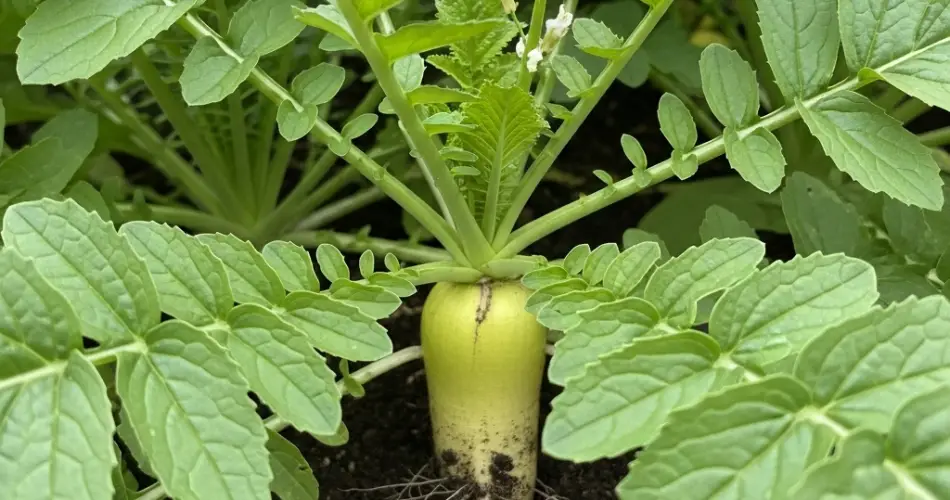
Radishes, those crisp and peppery root vegetables, are finally receiving the recognition they deserve. Often overlooked in favor of more popular produce, radishes are now making a comeback in kitchens and gardens for their incredible health benefits and culinary versatility. Whether eaten raw, pickled, or lightly cooked, radishes are a simple yet powerful addition to a healthy diet.
Nutritional Powerhouse in a Small Package
Radishes may be small, but they pack a nutritional punch. Low in calories and rich in vitamins and minerals, they make an ideal snack or meal enhancer for anyone looking to maintain a healthy lifestyle. One cup of sliced radishes contains just about 19 calories, yet offers a significant amount of vitamin C, an essential antioxidant that supports the immune system and helps with tissue repair.
These crunchy vegetables are also rich in fiber, promoting healthy digestion and helping you feel full longer. They contain potassium, which helps regulate blood pressure, and compounds like glucosinolates and anthocyanins, which have been linked to reduced inflammation and cancer prevention.
Natural Detox Support
Radishes are particularly beneficial for liver health. They help flush out toxins and support bile production, assisting the liver in its natural detoxification processes. This makes radishes an excellent choice for people interested in gentle cleansing or simply maintaining healthy liver function over time.
Additionally, radishes have a high water content, contributing to better hydration. Staying hydrated is crucial for optimal circulation, skin health, and temperature regulation, making water-rich vegetables like radishes especially valuable in hot weather or active lifestyles.
Quick and Easy Ways to Enjoy Radishes
Radishes are wonderfully versatile in the kitchen. They can be enjoyed raw for maximum crunch or cooked to mellow their peppery flavor. Here are a few quick ways to enjoy them:
-
Raw in Salads: Slice or grate radishes into salads for a refreshing, spicy kick.
-
Roasted: Toss halved radishes with olive oil, salt, and pepper, then roast until golden. Roasting reduces their bitterness and brings out a subtle sweetness.
-
Pickled: Quick-pickle radish slices in vinegar, sugar, and salt. They make an excellent tangy topping for tacos, sandwiches, or rice bowls.
-
Radish Chips: Thinly slice and bake radishes for a low-calorie alternative to potato chips.
-
Sautéed or Stir-Fried: Lightly cook radishes with garlic and greens for a warm, savory dish.
Don’t toss the greens—radish leaves are edible and nutrient-rich. They can be sautéed like spinach, added to soups, or blended into pesto for an added boost of vitamins A and C.
Boosting Digestive Health
One of the often-celebrated qualities of radishes is their support for digestive health. The fiber in radishes helps promote regular bowel movements and can assist in preventing constipation. They also contain enzymes like amylase and esterase, which help break down starches and fats in food, improving digestion and nutrient absorption.
Moreover, the natural spiciness of radishes can stimulate saliva production and digestive juices, making it easier for your body to process food. This makes them an excellent appetizer or side dish to larger meals.
A Friend to the Immune System
Radishes play a helpful role in boosting immunity. Thanks to their high vitamin C content, they help the body defend against infections and accelerate healing. Their antimicrobial properties may also help fight off certain types of bacteria, especially when eaten raw.
During seasonal transitions or times of stress, incorporating radishes into your diet may offer a simple way to give your immune system extra support.
Growing Radishes at Home
Another reason radishes are enjoying a revival is their ease of cultivation. They grow quickly—many varieties mature in as little as 3 to 4 weeks. They’re perfect for beginners or anyone with limited garden space, as they thrive in containers and small beds. Radishes prefer cool weather, making them ideal for early spring or fall planting.
Not only are homegrown radishes fresher and more flavorful, but growing your own also allows you to experiment with unique heirloom varieties that may not be available in stores—such as watermelon radish, black radish, or French breakfast radish.
A Healthy Crunch for Every Plate
From their sharp, peppery flavor to their rich nutrient profile, radishes are more than just a garnish. They offer real health benefits that support digestion, immunity, hydration, and detoxification—all while adding color and crunch to your meals. With so many easy ways to incorporate them into your diet, there’s every reason to bring radishes back to the center of your plate.
Whether you’re growing them in your backyard or picking them up from the market, radishes deserve a place in your kitchen. This simple root vegetable may just be your next favorite superfood.


