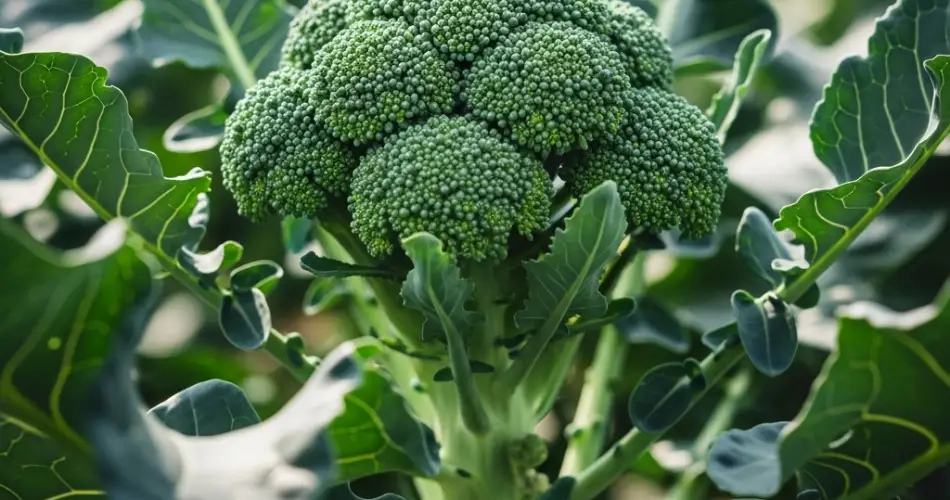
Broccoli, a member of the cruciferous vegetable family, has earned its reputation as one of the most nutritious and versatile vegetables available. Whether you steam it, roast it, or toss it into stir-fries and salads, broccoli offers a wealth of health benefits and culinary possibilities that make it a must-have in any balanced diet.
A Nutrient-Dense Powerhouse
Broccoli is low in calories but high in essential nutrients. One cup of chopped raw broccoli contains about 31 calories, yet delivers over 100% of the recommended daily intake of vitamin C and nearly a full day’s supply of vitamin K. It also provides fiber, folate, potassium, and smaller amounts of calcium, iron, and several B vitamins.
What truly sets broccoli apart are its phytonutrients, particularly sulforaphane—a powerful antioxidant compound linked to reduced inflammation and improved heart health. Studies suggest sulforaphane may also support the body’s detoxification processes and offer protective effects against certain types of cancer.
Benefits for the Immune System
Rich in vitamin C, beta-carotene, and other antioxidants, broccoli plays an important role in immune support. Regular consumption can help reduce the risk of chronic illnesses, boost the body’s natural defenses, and support healthy skin. The anti-inflammatory properties of broccoli’s phytonutrients may also help the body respond more effectively to infections or cellular stress.
Digestive Health and Weight Management
Broccoli is an excellent source of dietary fiber, which promotes healthy digestion and helps regulate bowel movements. Fiber also contributes to a longer feeling of fullness, making it easier to manage weight and reduce the temptation to snack excessively between meals.
In addition to fiber, broccoli supports gut health by feeding beneficial bacteria in the digestive tract. This contributes to better nutrient absorption, reduced inflammation, and a more balanced gut microbiome.
Heart Health Hero
The potassium content in broccoli helps regulate blood pressure, while its fiber helps lower cholesterol levels. The sulforaphane and other antioxidants found in broccoli may reduce oxidative stress and protect blood vessels from damage. Combined, these effects make broccoli a heart-smart food choice that can be enjoyed regularly as part of a cardiovascular-friendly diet.
Eye Health Support
Broccoli also contains lutein and zeaxanthin, two antioxidants known to benefit eye health. These compounds help protect the eyes from damage caused by blue light and oxidative stress, reducing the risk of conditions like macular degeneration and cataracts.
Best Ways to Cook and Enjoy Broccoli
Broccoli is incredibly versatile and can be prepared in a variety of delicious ways that preserve its flavor and nutrients:
-
Steamed: One of the healthiest cooking methods, steaming broccoli retains most of its nutrients while softening the texture slightly.
-
Roasted: Toss florets with olive oil, salt, and pepper, and roast at high heat until slightly crispy. Roasting brings out a rich, nutty flavor.
-
Sautéed: Quickly stir-fry broccoli with garlic, sesame oil, or soy sauce for a flavorful side dish.
-
Raw: Add chopped raw broccoli to salads or pair with hummus or yogurt-based dips for a crunchy, nutritious snack.
-
Soups and Smoothies: Blend cooked broccoli into soups for a creamy texture, or sneak a handful of raw florets into green smoothies for an added health boost.
For the best flavor and nutrient retention, avoid overcooking broccoli. Light steaming or roasting is often preferred to preserve its signature bright green color and satisfying texture.
Buying and Storing Tips
When selecting broccoli at the store or market, look for heads that are firm with tightly packed, dark green florets. Avoid any that have yellowing tops or limp stems, which may indicate age or nutrient loss.
Once home, store broccoli in a breathable bag in the vegetable crisper drawer of your refrigerator. It’s best consumed within 3 to 5 days for maximum freshness and nutritional value. If you’re not ready to use it right away, you can also blanch and freeze broccoli for future use in cooked dishes.
Growing Broccoli at Home
Broccoli can be grown in home gardens with relative ease, especially in cooler seasons. It thrives in well-drained, fertile soil with full sunlight. Starting from seedlings is often more successful than seeds, especially for beginners. Regular watering and spacing between plants will help reduce pest problems and support strong growth.
Harvest broccoli when the main head is firm and before the individual buds begin to flower. After harvesting the central head, many varieties will continue to produce smaller side shoots for weeks, extending your harvest.
A Green Investment in Your Health
Broccoli’s dense nutritional profile, ease of preparation, and range of health benefits make it an ideal vegetable for everyday meals. From immune support and heart health to digestive balance and eye protection, broccoli truly earns its status as a superfood.
Whether you enjoy it raw, roasted, or blended into soups, incorporating broccoli into your meals is a simple and delicious way to promote long-term wellness. Embrace the green greatness of broccoli and let it be a regular part of your healthy lifestyle.


