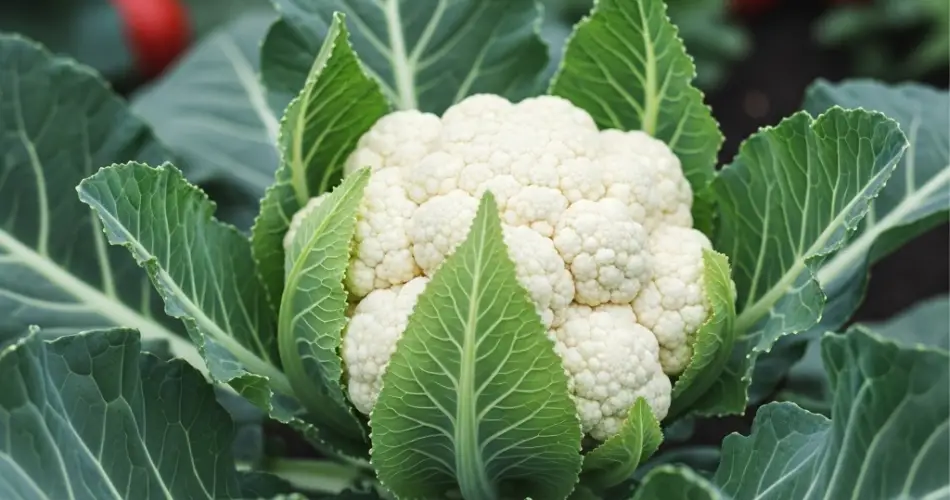
Cauliflower is one of the most adaptable and nutritious vegetables you can grow in your garden. Its mild flavor and unique texture make it a kitchen favorite, while its impressive nutritional profile adds to its appeal. Whether roasted, riced, mashed, or simply steamed, cauliflower proves time and time again that it’s more than just a side dish.
Why Grow Cauliflower?
Cauliflower belongs to the brassica family, which includes broccoli, cabbage, and kale. It’s packed with vitamins C, K, and B6, as well as fiber and antioxidants. It’s also low in calories and carbs, making it a go-to ingredient for those following low-carb or gluten-free diets. From cauliflower pizza crusts to creamy soups, its culinary uses are nearly endless.
Growing your own cauliflower allows you to enjoy fresh, chemical-free produce and gain more control over the growing process. While it’s not the easiest crop for beginners, proper care and timing can lead to a bountiful and satisfying harvest.
Choosing the Right Variety
There are several cauliflower varieties to consider, each suited for different climates and culinary needs:
-
White Cauliflower: The most common type, known for its compact white head and mild flavor.
-
Purple Cauliflower: Rich in anthocyanins, these add color and extra antioxidants to your meals.
-
Orange Cauliflower: Contains beta-carotene, giving it a yellow-orange hue and a slightly sweeter taste.
-
Romanesco: This striking variety has a green, fractal-like appearance and a nuttier flavor.
Choose a variety that matches your climate and cooking preferences. Some are better suited for cool springs, while others perform better in fall or early winter conditions.
Ideal Growing Conditions
Cauliflower grows best in cool weather, ideally with daytime temperatures between 60°F and 70°F (15°C–21°C). It can be planted in early spring or late summer, depending on your region. Excessive heat or cold can cause the heads to become loose or develop a bitter flavor.
The plant prefers full sun and fertile, well-draining soil with a pH between 6.0 and 7.0. It’s a heavy feeder, so enrich the soil with compost or aged manure before planting.
Starting from Seed or Transplant
Cauliflower can be grown from seeds or purchased as young transplants. If starting from seed, sow indoors 4 to 6 weeks before your last expected frost date. Transplant the seedlings outdoors once they have at least four true leaves and the risk of frost has passed.
Space the plants 18 to 24 inches apart, with rows about 2 feet apart. Water thoroughly after transplanting to help them settle in.
Care and Maintenance
Consistent care is key to growing healthy cauliflower. Keep the soil evenly moist but not soggy. Mulching around the base of the plant helps retain moisture and keeps weeds at bay.
Because cauliflower is sensitive to stress, fluctuations in temperature or moisture can affect head formation. Feed your plants every few weeks with a balanced organic fertilizer, especially during the early stages of growth.
Some varieties benefit from “blanching”—a process of tying the outer leaves over the head to protect it from sun exposure and keep it white. This isn’t necessary for self-blanching or colored varieties.
Pest and Disease Management
Common pests include cabbage worms, aphids, and flea beetles. Check plants regularly and remove pests by hand or treat with organic insecticides like neem oil. Floating row covers can also offer protection without the need for chemicals.
To prevent diseases such as clubroot or downy mildew, avoid planting cauliflower in the same spot where other brassicas grew in the last two seasons. Rotate your crops and ensure good drainage to reduce the risk of root diseases.
Harvesting Cauliflower
Cauliflower heads are ready to harvest when they are firm, compact, and reach 6 to 8 inches in diameter. Use a sharp knife to cut the head from the main stem, leaving a few leaves to help protect it during storage.
Don’t wait too long to harvest—overripe cauliflower can become grainy and start to separate. Once harvested, store the heads in the refrigerator where they can last up to a week.
Cooking and Using Cauliflower
Cauliflower’s neutral flavor makes it incredibly versatile in the kitchen. It can be steamed, roasted, grilled, or pureed. Use it as a substitute for rice, mashed potatoes, or even pizza crust. It also works wonderfully in curries, soups, and vegetable medleys.
For a simple side, try roasting florets with olive oil, garlic, and a sprinkle of paprika. Or toss it in a stir-fry for a quick and healthy meal. You can even pickle cauliflower for long-term storage and a zesty snack.
Cauliflower may look humble, but it’s a powerhouse in both the garden and the kitchen. With the right conditions and care, you can enjoy a steady supply of this versatile white wonder throughout the growing season. Whether you’re a seasoned gardener or just getting started, cauliflower is a rewarding and delicious crop worth cultivating.


