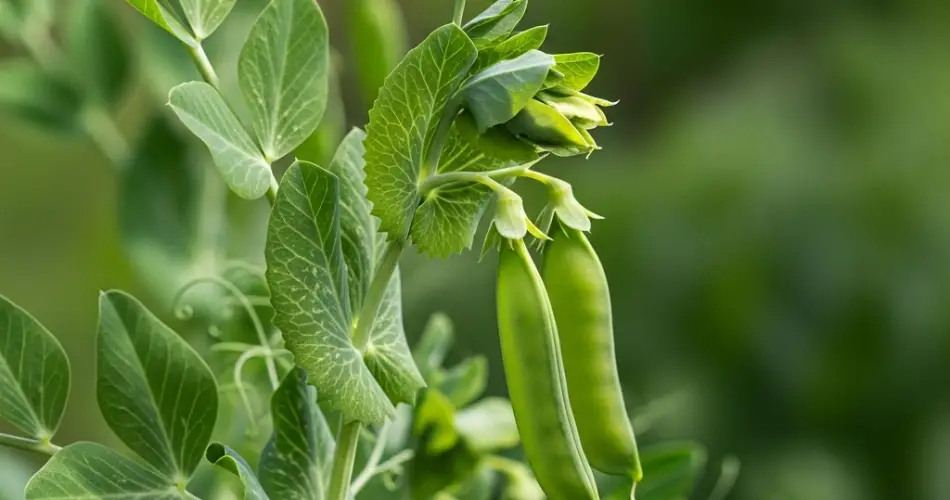
Peas are among the most rewarding crops you can grow in your garden. Crisp, sweet, and packed with nutrients, they thrive in cooler weather and can be a great addition to both small backyard plots and container gardens. Whether you prefer snap peas, snow peas, or traditional shelling peas, growing your own guarantees unmatched freshness and flavor.
Why Grow Your Own Peas?
Store-bought peas often lose their natural sweetness quickly due to the conversion of sugars into starch after harvesting. Growing them at home lets you enjoy them at their peak—tender, juicy, and rich in flavor. Peas are also a fantastic source of vitamins A, C, and K, as well as fiber and plant-based protein.
Pea plants also benefit your soil. As legumes, they fix nitrogen, enriching the soil for future crops. They’re ideal for crop rotation or as a companion plant for leafy greens, carrots, or radishes.
Choosing the Right Variety
There are three main types of peas to consider:
-
Garden Peas (Shelling Peas): These need to be shelled before eating, as the pods are not edible. They’re prized for their sweet and tender seeds.
-
Snap Peas: These have edible pods and peas inside, offering a satisfying crunch when eaten raw or cooked.
-
Snow Peas: Flat and tender, these are commonly used in stir-fries. The entire pod is edible, though they’re harvested before the seeds inside fully develop.
Choose a variety that suits your culinary preferences and available space. Dwarf or bush varieties are great for containers, while climbing types require trellises or supports but yield more over time.
When and Where to Plant
Peas thrive in cool weather, making them one of the first crops to sow in spring. In warmer regions, they can even be planted in late fall for a winter harvest.
Select a location that receives full sun and has well-drained soil. Avoid planting in areas where beans or peas grew the previous season to reduce the risk of soil-borne diseases.
Soil Preparation and Sowing
Peas prefer a neutral to slightly alkaline soil (pH 6.0 to 7.5). Work in compost or aged manure a few weeks before planting to boost fertility and improve texture.
Direct sow seeds outdoors once the soil can be worked and temperatures reach at least 45°F (7°C). Sow seeds about 1 inch deep and 2 inches apart in rows spaced 18 to 24 inches apart. For climbing varieties, place a trellis or netting at the time of planting to avoid disturbing roots later.
Watering and Care
Peas need consistent moisture, especially during flowering and pod development. However, avoid waterlogging the soil. Water early in the day to allow leaves to dry before nightfall, reducing the chance of mildew.
Mulching around the plants helps retain soil moisture and suppress weeds. Peas typically don’t need heavy fertilization—too much nitrogen can lead to lush foliage with fewer pods.
Pinch off the growing tips once plants reach the top of their support to encourage bushier growth and better airflow.
Pests and Problems
While peas are relatively low-maintenance, they can be affected by aphids, pea weevils, and powdery mildew. Use neem oil or insecticidal soap for minor pest problems. Practice crop rotation and avoid overhead watering to minimize fungal diseases.
Birds may also nibble on young seedlings or mature pods. Use garden netting or floating row covers to protect the plants, especially in the early stages.
Harvesting Peas
Peas are usually ready to harvest 60 to 70 days after planting, depending on the variety. Check the pods daily once they begin to mature. For shelling peas, the pods should be plump but still tender. Snap and snow peas are best harvested when the pods are crisp but before the seeds inside get too large.
Use two hands when picking—one to hold the plant and the other to pluck the pod—to avoid damaging the vines. Regular harvesting encourages more pods to develop.
Storing and Using Fresh Peas
Freshly picked peas taste best when eaten right away but can be stored in the refrigerator for up to a week. Shelling peas can also be blanched and frozen for later use. Snap and snow peas freeze well too, though they should be blanched briefly first.
Add peas to salads, pasta dishes, stir-fries, soups, or enjoy them as a simple steamed side with a pat of butter and a sprinkle of salt.


