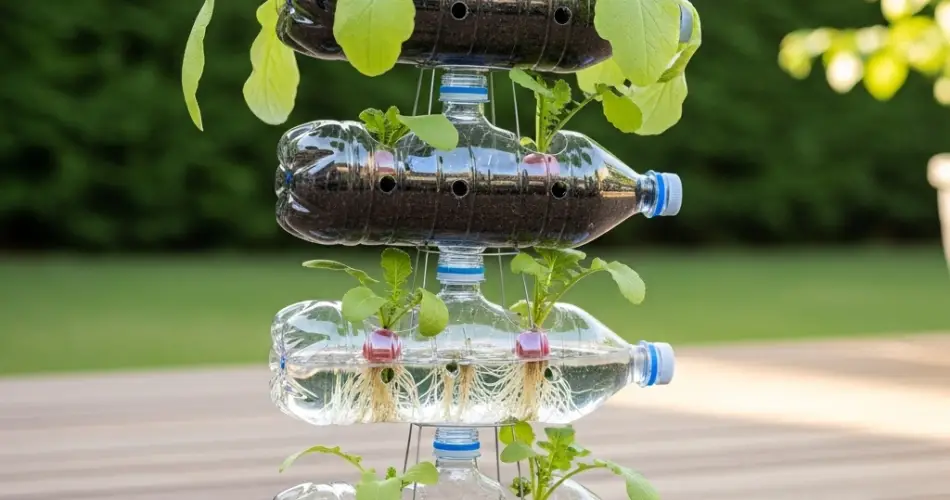
Radishes are among the fastest and easiest vegetables to grow, making them perfect for gardeners who want quick results. In just three to four weeks, you can go from seed to harvest, enjoying fresh, crisp roots straight from your garden—or in this case, from hanging plastic bottle tubes.
This innovative method of vertical gardening uses recycled bottles to create suspended growing containers. By hanging these bottles, you can make use of walls, fences, or balcony railings, saving space while adding a touch of greenery and creativity to your surroundings.
Why Grow Radishes in Hanging Bottle Tubes?
Hanging bottle gardens offer several benefits:
-
Space Optimization – Perfect for small backyards, balconies, and patios.
-
Eco-Friendly – Repurposes plastic bottles that would otherwise be discarded.
-
Pest Reduction – Keeps plants off the ground, making them less accessible to crawling pests.
-
Visual Appeal – Adds a decorative element while producing food.
Radishes are particularly well-suited to this method because they grow quickly, require shallow soil, and don’t demand large root space.
Choosing the Right Bottles
Large plastic bottles, such as 1.5-liter or 2-liter soda bottles, work best for this project. Transparent bottles allow you to monitor root development and soil moisture, but you can also use opaque bottles to protect roots from excessive sunlight if you live in a very hot climate.
Preparing the Bottles
-
Clean Thoroughly – Wash bottles with soapy water to remove any residue.
-
Cut Openings – Lay the bottle horizontally and cut an elongated window along one side for planting. The rest of the bottle will hold the soil.
-
Add Drainage Holes – Puncture several small holes along the bottom side to prevent waterlogging.
-
String Support – Make two holes near each end of the bottle and thread sturdy rope, twine, or wire through them to create a hanging support.
Creating the Ideal Soil Mix
Radishes grow best in loose, nutrient-rich soil that allows roots to expand easily. A good mix is:
-
50% garden soil – For structure and natural minerals.
-
30% compost – Provides essential nutrients for fast growth.
-
20% sand or coco coir – Improves drainage and prevents compaction.
Fill the bottle with soil up to the edge of your planting window. Lightly moisten the mix before planting.
Planting Radish Seeds
-
Direct Sowing – Radishes don’t transplant well, so sow seeds directly in the bottle soil.
-
Spacing – Place seeds about 2 cm apart and 1 cm deep.
-
Cover and Press – Lightly cover seeds with soil and gently press down to ensure contact.
-
Water – Moisten the soil without overwatering.
Hanging Your Bottle Tubes
Hang your bottles in a sunny location where the radishes will receive at least 6 hours of direct light each day. A balcony railing, fence, or even a sunny indoor wall near a window can work well. Ensure the ropes or wires are strong enough to support the weight of the soil and plants once watered.
Watering and Maintenance
Radishes need consistent moisture for optimal growth. Hanging bottles tend to dry out faster than ground-level containers, so check the soil daily. Water gently until moisture seeps from the drainage holes. Avoid soaking the soil excessively, as this can cause root rot.
As seedlings sprout, thin them to about 5 cm apart so that each radish has room to form a healthy, round root.
Fertilizing
Radishes grow quickly and generally need only minimal feeding. If your compost is rich, additional fertilizer may not be necessary. However, a light application of diluted liquid fertilizer about 10 days after germination can encourage strong growth. Avoid high-nitrogen fertilizers, which promote leafy tops but small roots.
Harvesting Radishes
Most radish varieties are ready to harvest within 20–30 days. You’ll know they’re ready when:
-
The root tops start to push above the soil.
-
The bulbs feel firm and have reached about 2–3 cm in diameter.
To harvest, gently pull the radish from the soil by grasping it at the base of the leaves. Avoid tugging too hard, which could damage the plant or compact the soil for remaining crops.
Replanting for Continuous Supply
After harvesting, you can reuse the same soil by refreshing it with compost before replanting. This allows you to enjoy fresh radishes almost year-round, especially in mild climates or with indoor growing setups.
Advantages of Hanging Bottle Radish Gardens
-
Vertical Gardening Made Simple – Turns unused vertical space into a productive garden.
-
Easy to Monitor – Bottles at eye level make it simple to check growth and soil moisture.
-
Aesthetic Appeal – Rows of green plants add charm to walls and fences.
-
Eco-Conscious – Gives plastic bottles a second life and reduces waste.
Final Thoughts
Propagating radishes in hanging plastic bottle tubes is a practical, sustainable, and visually appealing way to grow fresh vegetables in limited spaces. With minimal tools, some recycled materials, and a handful of seeds, you can enjoy crunchy, flavorful radishes in just a few weeks.
This method is ideal for busy gardeners, urban dwellers, and anyone looking to combine creativity with food production—proving that you don’t need a large garden to enjoy homegrown harvests.


