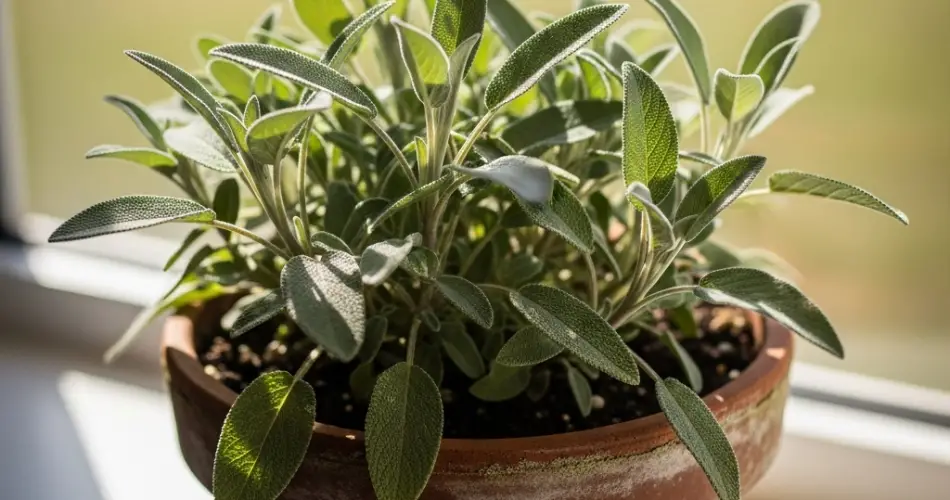
Sage is a fragrant and flavorful herb cherished for its culinary and medicinal uses. Known for its soft, gray-green leaves and earthy aroma, sage adds a distinctive touch to a variety of dishes, including poultry, stuffing, and sauces. Growing sage in a pot is an excellent way to have fresh leaves available year-round, whether on a sunny windowsill or a balcony. To cultivate healthy, productive potted sage plants, it’s essential to understand their needs for light, water, and soil. This guide provides practical tips to help you grow thriving sage in containers.
Why Grow Sage in Pots?
Growing sage in pots offers several benefits:
-
Space-saving: Ideal for small patios, balconies, or indoor herb gardens.
-
Mobility: Easily move pots to optimize light exposure or protect plants from extreme weather.
-
Control: Allows better management of soil quality, watering, and pests.
-
Year-round growth: With proper care, sage can grow indoors during colder months.
Choosing the Right Pot for Sage
Selecting an appropriate container is crucial for sage’s root health and overall growth:
-
Size: Use a pot that is at least 8-10 inches in diameter and depth to provide ample space for root development.
-
Material: Terracotta pots are recommended because they are porous and help prevent overwatering by allowing excess moisture to evaporate. Plastic pots retain moisture longer but require careful watering.
-
Drainage: Ensure the pot has sufficient drainage holes to avoid waterlogged soil, which can lead to root rot.
Best Soil for Potted Sage
Sage prefers well-draining, slightly acidic to neutral soil:
-
Potting Mix: Use a high-quality, well-draining potting soil mixed with sand or perlite to improve drainage.
-
Soil Texture: Light, loose soil is ideal to prevent water retention around the roots.
-
pH Level: Sage grows best in soil with a pH of 6.0 to 7.0.
-
Fertilization: Sage is a light feeder and usually does not require heavy fertilization. Apply a balanced, water-soluble fertilizer sparingly once every 6-8 weeks during the growing season.
Light Requirements for Sage
Adequate light is key to healthy sage plants:
-
Sunlight: Sage thrives with 6-8 hours of direct sunlight daily. A south-facing window or outdoor spot with full sun exposure is ideal.
-
Indoor Light: If natural light is limited indoors, use supplemental grow lights to provide 10-12 hours of light.
-
Rotate the Plant: Rotate pots regularly to ensure even light exposure and prevent uneven growth.
Watering Sage in Pots
Proper watering is essential to prevent root rot and promote healthy growth:
-
Watering Frequency: Allow the top inch of soil to dry out between waterings. Sage prefers slightly dry conditions and does not like soggy soil.
-
Watering Method: Water thoroughly but avoid overwatering. Water at the soil level to keep foliage dry and reduce disease risk.
-
Drainage: Make sure excess water drains freely and remove any standing water from saucers.
Pruning and Harvesting Sage
Pruning encourages bushier growth and helps maintain plant health:
-
Pruning: Regularly trim back stems to promote a compact, bushy shape. Avoid cutting into old, woody stems that may not regrow.
-
Harvesting: Snip fresh leaves from the top and sides as needed, ideally in the morning after the dew has dried for best flavor.
-
Flower Removal: Remove flower buds if you want to extend leaf production, as flowering can cause the plant to become woody and reduce leaf quality.
Common Issues and Solutions
-
Leggy Growth: Often caused by insufficient light. Move the plant to a sunnier location or supplement with grow lights.
-
Yellowing Leaves: May indicate overwatering or poor drainage. Adjust watering habits accordingly.
-
Pests: Sage can attract aphids, spider mites, or whiteflies. Treat infestations with insecticidal soap or neem oil.
-
Root Rot: Prevent by ensuring well-draining soil and proper watering.
Tips for Long-Term Sage Care
-
Repotting: Repot sage every 1-2 years to refresh soil and provide space for root growth.
-
Air Circulation: Good airflow around the plant helps prevent fungal diseases.
-
Companion Plants: Sage pairs well with rosemary, thyme, and oregano, especially in container herb gardens.
-
Cleaning: Remove dead or yellow leaves to maintain plant health and appearance.
Benefits of Growing Sage in Pots
-
Fresh Flavor: Homegrown sage provides a more potent aroma and flavor than store-bought.
-
Medicinal Uses: Sage has been used traditionally to soothe sore throats, aid digestion, and reduce inflammation.
-
Aesthetic Appeal: Sage’s soft gray-green foliage adds visual interest to indoor and outdoor spaces.
-
Easy Maintenance: Once established, sage is drought-tolerant and requires minimal care.
Conclusion
Potting sage is a rewarding way to enjoy fresh herbs all year round. By selecting the right container, providing ample sunlight, using well-draining soil, and watering carefully, you can keep your sage plant healthy and productive. Regular pruning and attentive care will ensure your potted sage grows lush and flavorful, ready to enhance your cooking and bring a touch of nature to your home.


