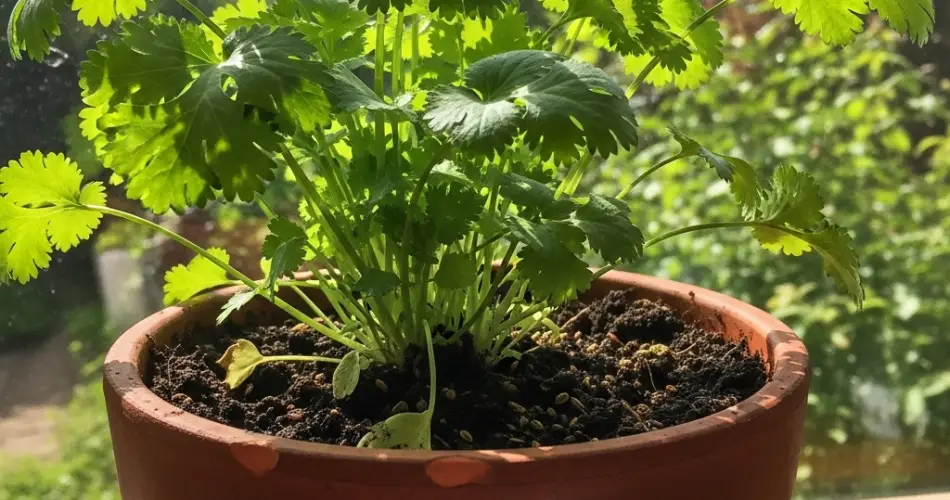
Cilantro, also known as coriander, is a beloved herb in kitchens worldwide, prized for its bright, citrusy flavor that enhances salsas, salads, curries, and many other dishes. However, cilantro can be a bit tricky to grow, especially in pots, because it tends to bolt—meaning it quickly flowers and goes to seed, causing the leaves to become bitter and less usable.
Growing cilantro successfully in pots while preventing premature bolting is possible with the right approach. This guide offers practical tips for potting cilantro and managing your plant to keep it lush and flavorful for as long as possible.
Why Grow Cilantro in Pots?
Growing cilantro in pots is especially beneficial for small-space gardeners:
-
Space Efficiency: Ideal for balconies, kitchen windowsills, patios, or limited garden areas.
-
Control: Container gardening allows for better control of soil, moisture, and temperature—key factors in preventing bolting.
-
Freshness: Have fresh cilantro leaves on hand whenever you want.
-
Portability: Move your cilantro pots to cooler, shadier spots during hot weather.
Understanding Cilantro Bolting
Bolting is the plant’s natural response to stress or changing conditions, causing it to produce flowers and seeds rapidly, which ends its leaf-producing phase. Factors that encourage bolting include:
-
High temperatures: Cilantro prefers cool weather (60°F to 75°F or 15°C to 24°C).
-
Long daylight hours: Extended sunlight can trigger flowering.
-
Stress: Water fluctuations, poor soil, or overcrowding.
Preventing or delaying bolting allows you to enjoy tender, flavorful leaves longer.
Choosing the Right Pot
Selecting an appropriate container supports healthy growth:
-
Size: Choose a pot at least 8 to 10 inches deep and wide to accommodate cilantro’s taproot.
-
Material: Terracotta or ceramic pots with drainage holes work well; plastic pots are also suitable if drainage is adequate.
-
Drainage: Proper drainage prevents root rot and helps regulate soil moisture.
Soil Requirements
Cilantro thrives in loose, well-draining soil rich in organic matter:
-
Use a quality potting mix blended with compost or well-rotted manure.
-
Avoid heavy or compacted soils that can stress roots.
Planting Cilantro
-
Sow seeds about 1/4 inch deep in moist soil.
-
Thin seedlings to about 6 inches apart once they reach 2 inches tall to avoid overcrowding.
-
For continuous harvest, consider staggered planting every 2 to 3 weeks.
Light Requirements
-
Cilantro prefers full sun but tolerates partial shade.
-
In hot climates or during summer, provide afternoon shade to reduce heat stress.
-
Indoors, place pots near windows with filtered sunlight or use grow lights for 12 to 14 hours daily.
Watering Cilantro
Consistent moisture is critical to prevent stress-induced bolting:
-
Keep the soil evenly moist but not soggy.
-
Water when the top inch of soil feels dry.
-
Avoid letting the soil dry out completely or become waterlogged.
Temperature and Climate Tips
-
Cilantro thrives best in cool conditions.
-
If you live in a hot climate, grow cilantro in early spring or fall.
-
Use shade cloth or move pots to cooler areas during hot weather.
-
Indoors, maintain temperatures around 60°F to 75°F (15°C to 24°C).
Fertilizing Cilantro
-
Use a balanced, water-soluble fertilizer diluted to half strength every 3 to 4 weeks.
-
Avoid excessive nitrogen, which can promote lush leaf growth but may reduce flavor quality.
Harvesting Cilantro
-
Begin harvesting when plants reach 6 inches tall.
-
Snip leaves from the outer parts of the plant, leaving the inner leaves to continue growing.
-
Regular harvesting encourages new leaf growth and delays bolting.
Additional Tips to Prevent Bolting
-
Mulching: Apply a thin layer of organic mulch to keep soil cool and retain moisture.
-
Good air circulation: Avoid overcrowding pots and ensure plants have room to breathe.
-
Regular harvesting: Keeps the plant productive and reduces the energy diverted to flowering.
-
Plant companion herbs: Some gardeners report that planting basil or parsley nearby may help slow bolting.
Troubleshooting Common Problems
-
Leggy plants: Often due to insufficient light; provide more sunlight or grow lights.
-
Yellow leaves: May indicate overwatering or nutrient deficiency; adjust care accordingly.
-
Pests: Watch for aphids or whiteflies; treat infestations promptly with insecticidal soap.
-
Bolted plants: Once cilantro bolts, the leaves become bitter. Remove flower stalks promptly, but know the plant’s lifecycle will soon end. Consider replanting fresh seeds.
Benefits of Growing Cilantro in Pots
-
Freshness: Enjoy fresh, vibrant leaves year-round with proper care.
-
Flavor: Homegrown cilantro offers superior taste compared to store-bought.
-
Convenience: Keep pots near the kitchen for easy access.
-
Sustainability: Reduce plastic waste and trips to the store by growing your own herbs.
Conclusion
Potting cilantro and preventing premature bolting is achievable with attention to proper container choice, soil, watering, light, and temperature management. By following these tips, you can enjoy fresh, flavorful cilantro leaves for an extended period.
Whether used in your favorite salsa, salad, or curry, homegrown cilantro brings vibrant flavor and aroma straight from your pot to your plate.


