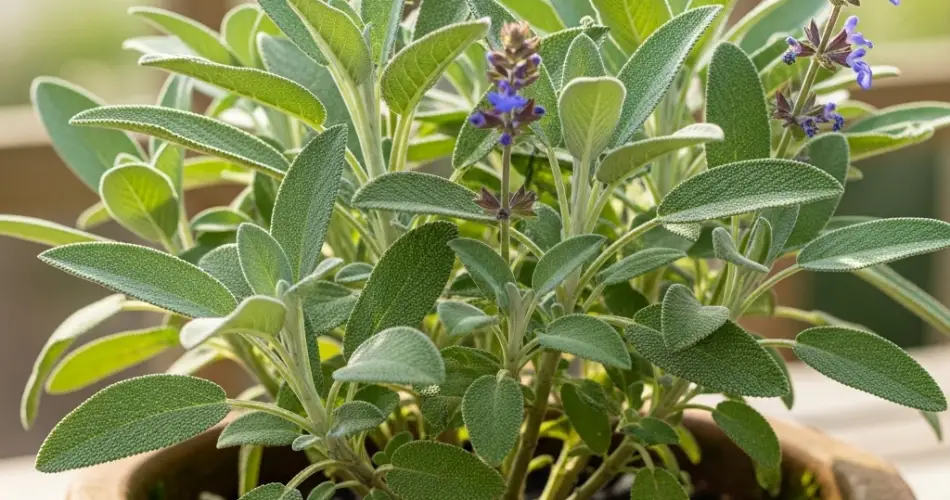
Sage is a wonderfully aromatic herb prized for its savory, slightly peppery flavor and woody scent, which adds depth to many dishes from roasted meats to herbal teas. Growing sage in containers is an excellent choice for gardeners with limited outdoor space or those who want fresh leaves at their fingertips year-round. Choosing the right container is key to ensuring healthy, productive sage plants that thrive and fill your space with fragrance.
This guide explores the best types of containers for growing aromatic sage and offers tips on how to set up and care for your potted sage plant.
Why Grow Sage in Containers?
Growing sage in pots offers several advantages:
-
Space-Saving: Ideal for patios, balconies, kitchen windowsills, or small gardens.
-
Portability: Move your sage pot to capture optimal sunlight or protect it from extreme weather.
-
Control: Easier to manage soil quality, watering, and pest control.
-
Year-Round Harvest: With indoor placement during colder months, you can enjoy sage leaves all year.
-
Aesthetic Appeal: Sage plants add lush greenery and a pleasant herbal aroma to any space.
Key Considerations for Choosing Containers for Sage
To select the best container for sage, consider these factors:
-
Size: Sage has a moderate root system that requires ample room to grow. Choose a container that is at least 10 to 12 inches in diameter and depth to provide enough space for root expansion.
-
Material: Terracotta and ceramic pots are highly recommended because they allow the soil to breathe and help prevent overwatering by absorbing excess moisture. Plastic pots can also be used if they have adequate drainage.
-
Drainage: Proper drainage is critical for sage. Ensure your container has several drainage holes to prevent waterlogging, which can lead to root rot.
-
Shape: Wider pots are preferable since sage roots tend to spread horizontally. Shallow, wide containers support healthy growth better than tall, narrow ones.
Types of Containers Ideal for Sage
1. Terracotta Pots
Terracotta pots are classic and highly suitable for growing sage. Their porous nature allows moisture to evaporate, preventing soggy soil and root rot. They also provide excellent insulation, keeping roots cooler in hot weather.
2. Ceramic Pots
Glazed ceramic pots offer a decorative option with good moisture retention, though they are less porous than terracotta. Ensure they have proper drainage holes, and use a well-draining soil mix to avoid water buildup.
3. Plastic Pots
Lightweight and affordable, plastic pots retain moisture longer than terracotta, so watering frequency must be adjusted accordingly. Choose plastic containers with ample drainage holes to avoid waterlogging.
4. Wooden Planters
Wooden boxes or planters provide a rustic look and good insulation for roots. Make sure the wood is untreated or safe for plants and that the planter has drainage holes lined with a breathable fabric or mesh.
5. Self-Watering Containers
For gardeners who want low-maintenance options, self-watering pots can help regulate moisture. However, be cautious not to overwater, as sage prefers drier soil conditions.
Preparing Your Container for Planting Sage
-
Add Drainage Layer: Place a layer of small stones, broken pottery, or coarse gravel at the bottom of the pot to improve drainage.
-
Use Well-Draining Soil: Fill the container with a high-quality potting mix amended with sand or perlite for better aeration.
-
Positioning: Choose a sunny location where the sage plant can receive at least 6 hours of direct sunlight daily.
Care Tips for Potted Sage
-
Watering: Water sage moderately, allowing the soil to dry out between waterings. Avoid letting water sit in the saucer under the pot.
-
Fertilizing: Sage doesn’t require heavy feeding. Use a balanced, diluted fertilizer once a month during the growing season.
-
Pruning: Regularly pinch back the tips to promote bushy growth and prevent the plant from becoming woody.
-
Winter Care: If growing sage indoors during winter, place it near a sunny window or supplement with grow lights.
Common Problems and Solutions
-
Root Rot: Often caused by poor drainage or overwatering; ensure your container drains well and water only when the soil is dry.
-
Leggy Growth: Usually due to insufficient sunlight; move the pot to a brighter spot.
-
Pests: Watch for aphids or spider mites. Treat infestations with insecticidal soap or neem oil.
Benefits of Growing Sage in Containers
-
Freshness: Harvest leaves fresh for cooking, teas, or aromatherapy.
-
Aroma: Sage adds a pleasant herbal scent to your living space.
-
Versatility: Container-grown sage can be kept indoors or outdoors, depending on the season.
-
Sustainability: Growing your own herbs reduces plastic packaging and waste from store-bought herbs.
Conclusion
Choosing the right container for growing aromatic sage is crucial for ensuring healthy growth and a bountiful harvest. Terracotta and ceramic pots stand out as top choices, but plastic and wooden containers can work well with proper care. Remember to prioritize drainage, adequate size, and sun exposure to help your sage thrive.
With proper pot selection and consistent care, you’ll enjoy fresh, fragrant sage leaves year-round, enhancing both your cooking and your home environment.


