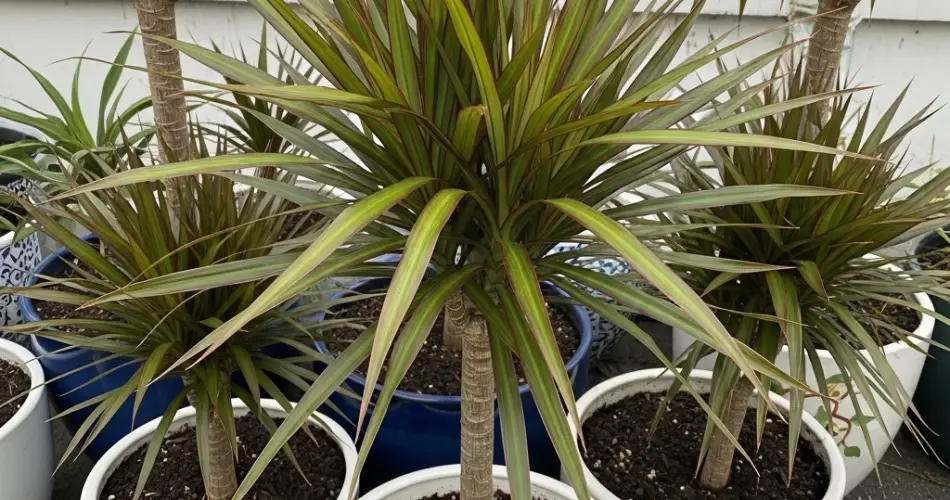
Dracaena, known for its architectural form and easy-going nature, is a favorite among indoor plant enthusiasts. Whether you’re growing a tall Dracaena marginata or the fuller-leaved Dracaena fragrans, proper potting plays a crucial role in maintaining both healthy roots and that signature upright growth. When done correctly, potting supports strong development, prevents common problems like root rot, and encourages vibrant foliage.
If you’re wondering how to pot your Dracaena for optimal health and shape, this guide covers everything from choosing the right container to soil composition and maintenance practices.
Choosing the Right Pot for Dracaena
Dracaenas are not fussy, but they do need a pot that suits their specific needs. Here are the factors to consider:
Drainage First:
Always choose a pot with at least one good-sized drainage hole. Without proper drainage, water will pool at the bottom, leading to soggy soil and root rot.
Size Matters:
Select a pot that’s 1–2 inches larger in diameter than the plant’s current root ball. Oversized pots can retain excess moisture and slow down root establishment, while undersized pots can crowd the roots and stunt growth.
Material Tips:
Terracotta pots allow the soil to dry faster and provide airflow to roots—ideal for those who tend to overwater. Plastic pots retain moisture longer and are lighter, suitable if your space is dry or you move the plant frequently.
The Best Soil Mix for Dracaena
Dracaena thrives in loose, well-draining soil that allows air to reach the roots. Heavy, compact soils should be avoided.
Ideal soil composition:
-
2 parts general-purpose potting mix
-
1 part perlite or pumice
-
1 part orchid bark or coarse sand
This blend ensures drainage and prevents sogginess while retaining enough moisture for healthy root absorption.
You can also find commercial potting mixes labeled for palms or indoor tropical plants—they often suit Dracaena well.
How to Pot or Repot Dracaena
Whether you’re potting a new plant or repotting an established one, following the right steps minimizes transplant shock and supports ongoing growth.
1. Inspect the Roots:
Remove the plant gently from its current container. Shake off excess soil and inspect the roots. Trim any black, mushy, or foul-smelling roots using sterilized scissors.
2. Prepare the Pot:
Add a layer of fresh potting mix to the bottom of the new pot. If the drainage hole is too large, cover it with a mesh screen or a piece of broken pottery to keep soil in place.
3. Center the Plant:
Place your Dracaena upright in the center of the pot. Adjust the depth so the base of the stem is just above the soil line.
4. Fill and Firm:
Backfill with soil mix around the root ball. Press gently to remove air pockets but avoid compacting the soil too tightly.
5. Water Lightly:
After potting, water thoroughly until excess flows from the bottom. Let the top inch of soil dry out before watering again.
Ensuring Upright Growth
Dracaenas naturally grow tall and upright, but a few conditions must be met to maintain this elegant posture:
-
Proper Light: Place your plant near a window with bright, indirect light. In low light, the plant may lean or grow leggy.
-
Even Exposure: Rotate the pot once a week to ensure even light exposure and prevent the plant from bending toward one direction.
-
Stable Support: Use a heavy-bottomed pot or add decorative stones on top of the soil if your plant is tall and top-heavy.
If the plant starts leaning or growing sideways, it could be a sign of insufficient light or overly compacted roots.
Watering and Moisture Control
Dracaena dislikes wet feet. Overwatering is the leading cause of root issues in potted Dracaenas.
Watering Tips:
-
Allow the top 1–2 inches of soil to dry before watering again.
-
Use room-temperature water to avoid shocking the roots.
-
If using tap water, let it sit out overnight to allow chlorine and fluoride to dissipate—Dracaena can be sensitive to both.
During winter, reduce watering frequency as the plant’s growth slows.
Common Potting Problems to Avoid
Being aware of a few common issues can help you avoid setbacks:
-
Root rot: Caused by poor drainage or overwatering. Ensure your pot has holes and use well-draining soil.
-
Stunted growth: May result from compacted soil or being root-bound. Repot every 2–3 years.
-
Yellow leaves: Often a sign of overwatering or poor soil aeration.
If your plant looks stressed after repotting, give it a few weeks to adjust before changing care routines.
Final Thoughts
Potting your Dracaena properly is the foundation for a long-lasting, attractive plant. With the right pot, soil, and watering routine, you can promote strong root health and the upright form that makes Dracaena a favorite for both homes and offices. Take the time to inspect roots, provide drainage, and avoid waterlogged conditions—your plant will reward you with bold, healthy foliage for years to come.


