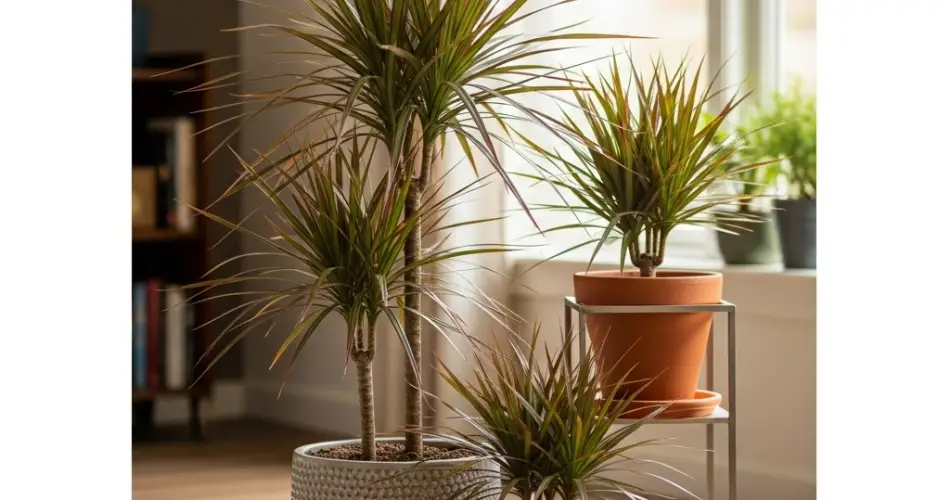
Dracaena plants are known for their striking foliage and resilience, making them a staple in many indoor gardens. Over time, however, even the hardiest Dracaena can begin to look tired—leaves may droop, colors may fade, and growth may slow. Fortunately, refreshing and rejuvenating your Dracaena doesn’t always require repotting it into a bigger container. With the right steps, you can bring new life to your plant while keeping it in the same pot.
Here’s a complete guide to rejuvenating your Dracaena without changing its container.
1. Assess Your Dracaena’s Health
Before taking any action, examine your plant closely. Look for these common signs of stress:
-
Yellowing or browning leaves
-
Stunted growth
-
Mushy or discolored stems
-
Roots poking out of the drainage holes
-
Soil that dries out too quickly or stays wet for too long
If your plant is generally healthy but showing mild signs of fatigue, refreshing it in the same pot is a suitable approach.
2. Remove Dead or Damaged Foliage
Start by trimming off any brown, yellow, or wilted leaves. Use clean, sharp scissors or pruning shears to snip them close to the main stem. This helps redirect the plant’s energy toward healthy new growth.
Also, if your Dracaena has leggy growth or overly long stems, you can cut back the top portion to encourage bushier growth. The trimmed stem will eventually sprout new shoots near the cut.
3. Gently Loosen and Aerate the Soil
Over time, soil in a pot becomes compacted, reducing airflow and water drainage. To rejuvenate your plant without repotting, gently loosen the top 2–3 inches of soil using a wooden skewer or fork. Be careful not to damage the roots.
This simple step improves oxygen flow to the roots and helps water absorb more evenly.
4. Refresh with New Soil
Even if you’re not repotting the plant, it’s important to replace some of the old soil. Scoop out about one-third of the soil from the top and sides, especially if it looks depleted, hard, or moldy. Refill the pot with fresh, well-draining potting mix suitable for indoor tropical plants.
A good mix includes ingredients like peat moss, coco coir, and perlite, which offer both moisture retention and aeration.
5. Inspect and Trim the Roots (Optional)
If your plant is severely root-bound—meaning roots are circling tightly inside the pot—you may need to remove it temporarily from the pot. Shake off excess soil and examine the roots. Trim any brown, mushy, or excessively long roots using sterilized scissors.
If the root ball is very tight, you can gently loosen and prune it before placing it back into the same pot with refreshed soil. This encourages new, healthy root growth.
6. Wipe the Leaves
Dust buildup on Dracaena leaves can block light and slow photosynthesis. To give your plant an instant refresh, wipe each leaf with a damp cloth. For narrow-leaf varieties, you can support the leaf with one hand while cleaning it with the other.
Avoid using commercial leaf shine products, which can clog pores and attract dust.
7. Resume Proper Watering and Feeding
After rejuvenation, your Dracaena will benefit from proper care routines. Water when the top inch of soil feels dry to the touch. Avoid overwatering, which can lead to root rot.
During the growing season (spring through early fall), feed the plant once a month with a balanced liquid houseplant fertilizer, diluted to half strength. In fall and winter, cut back on both watering and feeding.
8. Improve Lighting Conditions
Dracaena prefers bright, indirect light, though it can adapt to lower light levels. If your plant has been sitting in a dim corner, consider moving it closer to a window—just make sure it’s shielded from harsh direct sunlight, which can scorch the leaves.
If natural light is limited, using a grow light for a few hours a day can also make a difference in the plant’s vigor.
9. Maintain Proper Humidity and Temperature
Dracaenas thrive in environments with moderate humidity. If your indoor air is dry, especially during the winter months, use a humidifier, group plants together, or place a pebble tray with water nearby to increase moisture in the air.
Keep temperatures steady between 65°F to 80°F (18°C to 27°C), and avoid placing the plant near cold drafts or heating vents.
Final Thoughts
Rejuvenating your Dracaena doesn’t necessarily require upsizing the pot. With some light pruning, partial soil replacement, regular cleaning, and a few adjustments to its care routine, your plant can return to its vibrant, leafy self. This approach not only saves space but also helps maintain a stable environment for your Dracaena’s roots.
A refreshed Dracaena will reward you with fresh growth, healthier leaves, and a revitalized appearance—perfect for brightening any indoor space.


