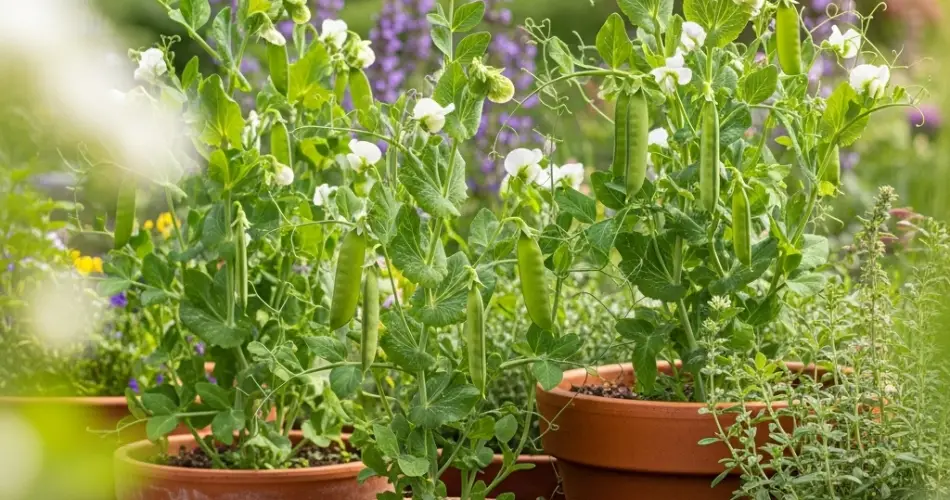
Peas are a cool-season crop known for their sweet flavor, tender pods, and ease of cultivation. One of the best ways to enjoy fresh peas even in small spaces is to grow them in pots. Container gardening allows for early planting, better control over soil and moisture, and easy access to a tasty harvest. Whether you’re working with a balcony, patio, or even a sunny doorstep, potted pea plants are a simple and productive addition to any home garden.
This guide will walk you through the essential steps for growing peas in pots—from variety selection to harvesting—so you can enjoy an early and rewarding yield.
Why Grow Peas in Pots?
Peas thrive in cooler weather and don’t require deep soil, which makes them an ideal candidate for container gardening. By planting them in pots, you can start the growing season earlier than in-ground gardens and protect the plants from fluctuating soil conditions or garden pests.
Benefits of growing peas in pots:
-
Ideal for early spring and fall planting
-
Excellent for balconies, patios, decks, or small outdoor spaces
-
Easy to manage soil, drainage, and pests
-
Can be moved to follow sunlight or shelter from harsh conditions
-
Encourages vertical growth with climbing varieties, maximizing space
Growing peas in pots also makes harvesting more convenient and can add ornamental charm to your outdoor living area with their delicate flowers and vibrant green vines.
Choosing the Right Pea Variety
There are three common types of peas you can grow in pots: snap peas, snow peas, and shelling peas. Each offers unique textures and flavors, but compact or dwarf varieties are generally best suited for container gardening.
Recommended varieties for pots:
-
Tom Thumb – An ultra-compact shelling pea perfect for small pots
-
Little Marvel – Dwarf shelling pea known for sweet flavor and high yields
-
Sugar Ann – A compact snap pea that doesn’t require a tall trellis
-
Oregon Sugar Pod II – Bushy snow pea variety that grows well in containers
If you have room for a trellis, you can also grow climbing types like ‘Tall Telephone’ or ‘Super Sugar Snap’ for extended harvests.
Selecting the Right Pot
The key to growing healthy peas in containers is choosing a pot that’s wide enough for multiple plants and deep enough to support their roots.
Pot requirements:
-
Depth: At least 8–10 inches
-
Width: 12–18 inches or more, depending on how many plants you want
-
Drainage: Must have several holes at the bottom to prevent waterlogging
-
Material: Plastic, clay, ceramic, or grow bags all work well
If you’re growing vining varieties, use a pot sturdy enough to support a small trellis, tomato cage, or bamboo stakes.
Preparing the Soil
Peas prefer well-draining, loose soil rich in organic matter. Avoid compacted or clay-heavy soils, which can cause root issues and slow growth.
Ideal soil mix:
-
High-quality organic potting mix
-
Mixed with compost or worm castings for nutrients
-
Add perlite or coarse sand to improve drainage
Fill the pot to about an inch below the rim and lightly water before planting to settle the soil.
Planting Peas in Pots
Peas are best sown directly into their final container rather than transplanted, as they don’t like having their roots disturbed.
Planting steps:
-
Sow seeds 1 inch deep and 2 inches apart.
-
For bush varieties, space evenly throughout the pot.
-
For climbing peas, plant around the edge of a support structure.
-
Water gently but thoroughly.
-
Keep soil evenly moist during germination.
Pea seeds usually sprout within 7–10 days. Plant in early spring or late summer, depending on your region’s climate.
Light, Water, and Temperature
Peas love cool weather and plenty of sunlight.
Light needs:
-
6 to 8 hours of direct sunlight daily
-
Position pots in a bright, open location
-
Rotate pots occasionally for even growth
Watering tips:
-
Keep soil consistently moist but not soggy
-
Water when the top inch of soil feels dry
-
Avoid watering leaves to prevent mildew or fungal diseases
-
Add mulch on top of the soil to retain moisture
Peas prefer temperatures between 55–70°F (13–21°C). In hot climates, plant peas in partial shade or where they get morning sun and afternoon protection.
Fertilizing and Support
Peas are light feeders, but a little nutritional support can go a long way, especially in containers.
Feeding tips:
-
Mix a slow-release organic fertilizer into the soil at planting
-
Apply diluted liquid compost or fish emulsion every few weeks
-
Avoid high-nitrogen fertilizers to encourage more pods and fewer leaves
Support tips:
-
Install a small trellis, bamboo teepee, or mesh netting early for climbing peas
-
Even bush peas may benefit from light support to prevent lodging
Harvesting Your Peas
Peas are typically ready to harvest 60–70 days after planting, depending on the variety.
When to harvest:
-
Snap peas: Pick when pods are plump and crisp
-
Snow peas: Harvest when pods are flat but fully grown
-
Shelling peas: Wait until pods are full and round
Harvest regularly to keep the plant producing. Use scissors or gently pinch the stem to avoid damaging the vines.
Final Thoughts
Potted peas are one of the easiest ways to bring fresh, homegrown produce to your table with minimal space and effort. Their fast growth, attractive appearance, and delicious pods make them a favorite among container gardeners. With just a few pots, some good soil, and sunlight, you’ll be enjoying an early and satisfying harvest of sweet, crisp peas from your own patio or balcony.
Whether you’re a beginner or seasoned gardener, growing peas in pots offers a quick and enjoyable path to fresh food—right at your fingertips.


