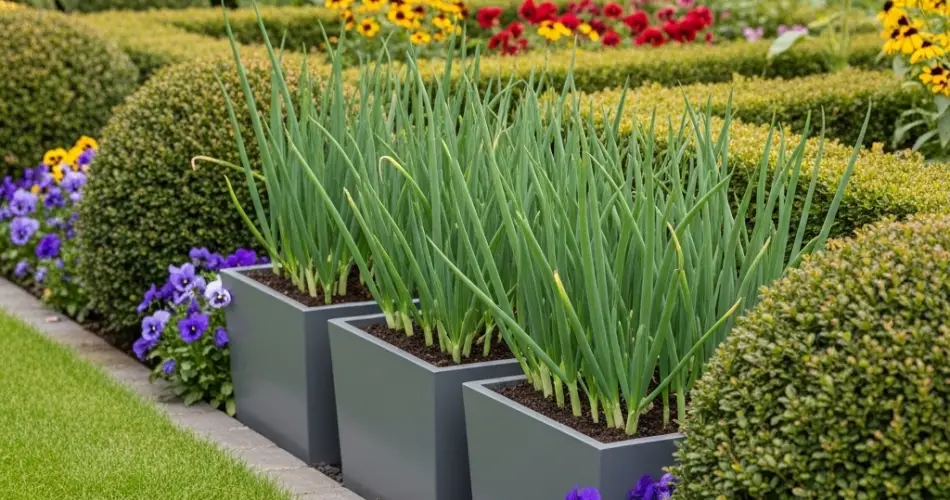
Scallions, also known as green onions or spring onions, are one of the easiest and most rewarding crops to grow in containers. Whether you have a large garden or just a sunny windowsill, growing scallions in containers allows you to enjoy a continuous supply of fresh, crisp greens with minimal effort. These hardy, fast-growing plants are perfect for beginners and urban gardeners alike.
Why Grow Scallions in Containers?
Container gardening offers several benefits when it comes to scallions. First, it allows for greater control over the growing environment. You can choose the ideal soil mixture, control watering more precisely, and move containers to catch the best sunlight. Containers also minimize the risk of pests and diseases that are more common in traditional garden beds.
Another major advantage is the ability to regrow scallions from kitchen scraps. With just the white base of the scallion and a small container of soil or water, you can start the regrowth process and enjoy multiple harvests from a single plant.
Choosing the Right Container
When selecting a container for scallions, opt for one that is at least 6–8 inches deep and has proper drainage holes. Scallions have shallow root systems, so they don’t require deep containers, but they do need space to grow in clusters. Rectangular window boxes, round pots, or recycled containers like plastic tubs or buckets all work well, as long as they allow water to drain freely.
If you’re short on space, even repurposed bottles, jars, or tin cans can be used, provided they have drainage and are filled with suitable potting soil.
Preparing the Soil
Scallions prefer well-draining, loose, and nutrient-rich soil. Use a mix of potting soil, compost, and a bit of perlite or sand to ensure proper drainage. The soil should be slightly moist but not soggy. Avoid using heavy garden soil in containers, as it can compact and hinder root development.
Before planting, mix in a slow-release organic fertilizer or a few tablespoons of compost to provide nutrients for the growing plants.
How to Plant Scallions
You can grow scallions from seeds, sets (young bulbs), or kitchen scraps. Here’s how to plant each type:
From Seeds:
-
Sow seeds ¼ inch deep and about 1 inch apart.
-
Cover lightly with soil and water gently.
-
Keep the soil moist until the seeds germinate, usually within 7–14 days.
-
Thin the seedlings so each plant has enough space to grow, around 2 inches apart.
From Sets or Transplants:
-
Gently separate each plant and replant them about 2 inches apart in the container.
-
Press them firmly into the soil and water well.
From Kitchen Scraps:
-
Cut scallions about 2 inches above the root base.
-
Place the white bulbs in a glass with just enough water to cover the roots.
-
Change the water daily. Within a few days, green shoots will appear.
-
After about a week, transplant the sprouted bulbs into the soil, leaving the green tops exposed.
Caring for Container Scallions
Scallions are low-maintenance and resilient. Here’s how to keep them thriving:
Watering:
Keep the soil consistently moist but not waterlogged. Water when the top inch of soil feels dry. Avoid overwatering, which can lead to root rot.
Sunlight:
Place your containers in a sunny spot that gets at least 6 hours of sunlight daily. If growing indoors, place them near a south-facing window or use grow lights.
Fertilizing:
Feed your scallions every 2–3 weeks with a diluted liquid fertilizer or compost tea. This will keep the greens lush and flavorful.
Pest Control:
Scallions generally repel pests, but occasional aphids or fungus gnats may appear. A mild soap spray or neem oil can help control these.
Harvesting and Regrowing
You can begin harvesting scallions when they reach about 6–8 inches tall, usually within 4–6 weeks from planting. Use scissors or a knife to snip the greens about 1 inch above the soil line. The roots will remain intact and regrow, allowing for multiple harvests from a single planting.
For best results, harvest only a few at a time, allowing others to continue growing. With consistent care and harvesting, a single container can produce scallions for several months.
Tips for Success
-
Stagger planting every 2–3 weeks for a continuous harvest.
-
Avoid overcrowding, as this can lead to smaller, less vigorous plants.
-
Trim yellowing or dying leaves to keep plants healthy.
-
Refresh the soil or top-dress with compost if growth slows down after several regrowth cycles.
Conclusion
Growing scallions in containers is a smart, sustainable way to keep your kitchen stocked with fresh, flavorful greens. With minimal space and effort, you can enjoy repeated harvests by simply regrowing what you already have. Whether you’re on a balcony, windowsill, or backyard deck, scallions are a perfect crop to start your container gardening journey.


