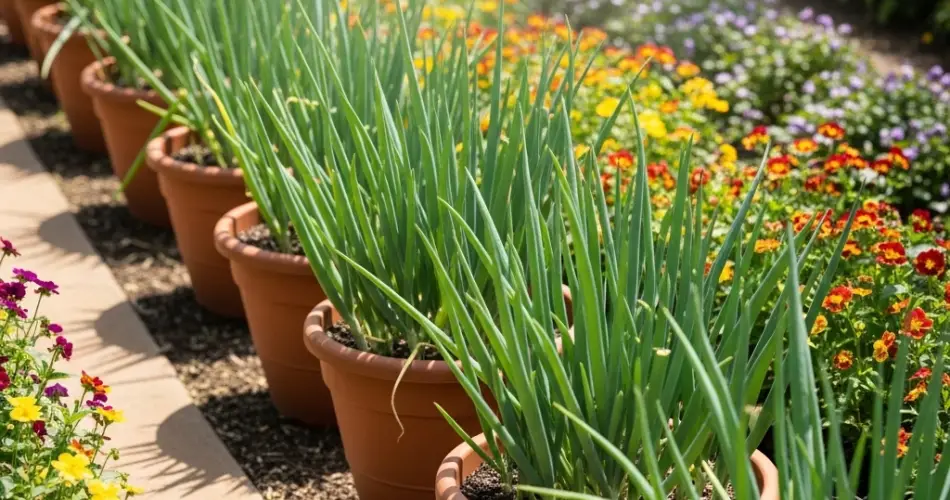
Scallions, also known as green onions or spring onions, are a kitchen staple that can be grown indoors year-round. Their compact size and shallow root system make them ideal for small spaces, including windowsills, countertops, or balconies. With just a few simple pots and some basic materials, you can enjoy a continuous supply of fresh scallions right at home. Here’s a practical guide to help you grow scallions indoors with ease.
Why Grow Scallions Indoors?
Scallions are among the easiest vegetables to grow indoors. They don’t require deep soil, intense sunlight, or much space, making them ideal for apartment dwellers or urban gardeners. Growing your own scallions means you’ll always have a fresh garnish for soups, noodles, and stir-fries—and you’ll save money while reducing food waste.
What You Need
To get started, you only need a few basic items:
-
Pots or containers: Choose small to medium-sized containers with good drainage. Recycled yogurt cups, plastic bottles, or traditional clay pots all work well.
-
Soil: A light, well-draining potting mix is ideal. You can also use a mix of compost and coco peat.
-
Scallion bulbs: You can regrow scallions from kitchen scraps. Use the white ends with the roots intact.
-
Water: Regular watering is essential, especially in warm or dry indoor environments.
-
Sunlight or grow light: A sunny windowsill with at least 4–6 hours of indirect sunlight is best. Alternatively, use a simple LED grow light.
Step-by-Step Growing Guide
1. Prepare the Pot
Start by selecting your container. Ensure it has drainage holes at the bottom to prevent waterlogging. Fill the container with potting mix, leaving about an inch of space at the top.
2. Use Scallion Scraps
After using the green tops of store-bought scallions, save the white base with the roots attached. You can place these directly into the soil, root-side down, spacing them about 1–2 inches apart. Gently press them into the soil, leaving just the tips exposed.
Alternatively, place the scallion bases in a glass of water until the roots grow longer and new green shoots appear. After a few days, transfer them to soil for more stable and long-term growth.
3. Watering
Keep the soil consistently moist but not soggy. Water lightly every few days, especially when the top inch of soil feels dry. Avoid letting the pots sit in standing water, which can cause root rot.
4. Light Requirements
Place your pots on a bright windowsill or under a grow light. Scallions prefer indirect light, so an east- or south-facing window is ideal. Rotate the pots every few days to ensure even growth.
5. Harvesting
In just 10–14 days, you’ll see noticeable growth. You can start harvesting once the green shoots reach 6–8 inches in height. Use clean scissors to snip off the greens about an inch above the white base. Leave the rooted portion in the soil—it will regrow within a week or two, offering multiple harvests from the same plant.
6. Continuous Growth
Scallions are perfect for cut-and-come-again harvesting. As long as the roots stay healthy and the soil is well-maintained, the same plant can produce greens several times. Eventually, the yield will decline, but you can always start a new batch using the same method.
Tips for Success
-
Use compost or organic fertilizer once a month to enrich the soil and promote growth.
-
Avoid overwatering, especially in humid environments.
-
Remove any yellowing or wilting leaves to keep the plant healthy.
-
If growing on a windowsill, watch for temperature fluctuations due to drafts or direct heat from glass.
Creative Container Ideas
Scallions can be grown in many upcycled containers. Here are some fun and eco-friendly ideas:
-
Plastic bottles: Cut them in half and poke drainage holes at the bottom.
-
Tin cans: Add holes for drainage and paint them for a decorative touch.
-
Ceramic mugs: Use chipped or mismatched ones as mini pots.
Just be sure all containers offer enough room for the roots to spread and have adequate drainage.
Final Thoughts
Growing scallions indoors in simple pots is a satisfying and low-maintenance way to keep your kitchen stocked with fresh greens. It’s an excellent project for beginner gardeners and a fun way to teach kids about plant life cycles. With minimal effort, you can enjoy homegrown flavor right from your windowsill, any time of the year.


