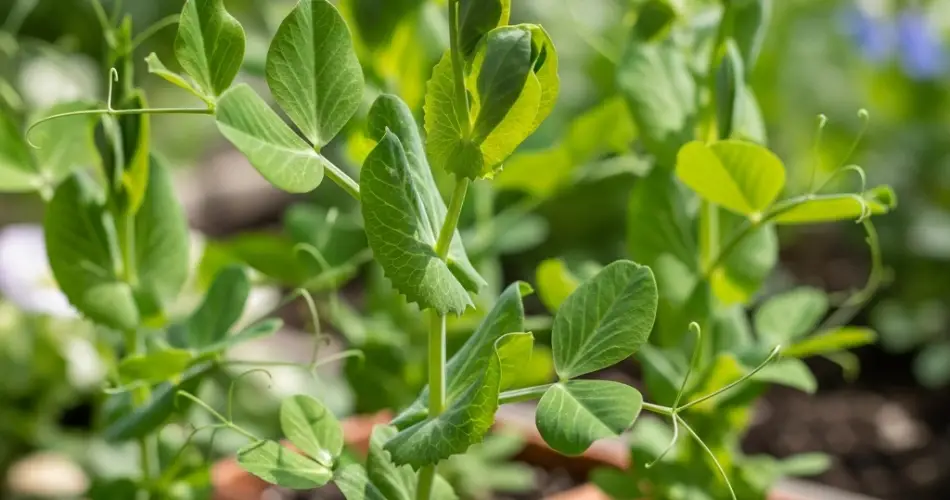
If you’re short on space but still want to grow your own vegetables, peas are an excellent choice for small container gardens. Sweet, crunchy, and fast-growing, peas adapt remarkably well to pots, window boxes, and compact spaces. Whether you’re a beginner or a seasoned gardener, peas offer a rewarding harvest without the need for a large backyard or raised beds.
Container gardening with peas is not only space-efficient but also ideal for controlling soil quality, managing pests, and starting crops early in the season. With a little care and the right setup, you can enjoy homegrown peas straight from your balcony or windowsill.
Why Peas Are Ideal for Small Containers
Peas thrive in cooler weather and don’t require deep soil, making them one of the best vegetables for container gardening. Compact or dwarf varieties are especially well-suited for tight spaces and still yield a generous crop.
Benefits of growing peas in small containers:
-
Perfect for balconies, patios, or sunny windows
-
Fast growth with minimal maintenance
-
Less exposure to soil-borne diseases
-
Easy to water, feed, and manage in small quantities
-
Decorative vines and flowers add charm to compact gardens
Best Pea Varieties for Small Spaces
When growing in limited space, selecting the right variety is key. Look for compact or dwarf types that perform well in containers:
-
Tom Thumb – Grows only 8–10 inches tall; excellent for windowsills
-
Little Marvel – A dwarf shelling variety with sweet flavor
-
Sugar Ann – Early-maturing snap pea that grows on short vines
-
Oregon Sugar Pod II – Great for edible pods with short vine growth
These varieties produce reliable yields while staying manageable in size.
Supplies You’ll Need
Gather the following to get started with your container pea garden:
-
A container at least 8–10 inches deep with drainage holes
-
Lightweight, well-draining potting mix
-
Organic compost or a balanced slow-release fertilizer
-
Pea seeds of a dwarf or bush variety
-
A small trellis, bamboo stakes, or string (optional)
-
Watering can with a gentle nozzle
-
A sunny location with 5–6 hours of daily light
Step-by-Step Planting Guide
1. Select a Suitable Container
For compact peas, even a window box or medium pot will do. Just ensure it’s deep enough (8–10 inches) and has good drainage. If using recycled containers, drill extra holes to prevent water buildup.
2. Prepare the Soil
Fill the container with a potting mix designed for vegetables or flowers. Blend in compost or an organic fertilizer to enrich the mix. Avoid heavy garden soil, which can compact and hinder root development.
3. Plant the Seeds
Sow the seeds about 1 inch deep and 2 inches apart. For multiple rows in a rectangular planter, space rows 4–6 inches apart. Water gently after sowing.
Tip: Soak seeds in water overnight before planting to speed up germination.
4. Add Light Support
While dwarf peas may not climb high, a small stick, trellis, or mesh can help keep the vines tidy and improve airflow. For extremely compact varieties like Tom Thumb, support may not be needed.
Care and Maintenance
Sunlight:
Place containers where they receive at least 5–6 hours of sunlight daily. A south- or west-facing balcony or windowsill is ideal.
Watering:
Keep the soil evenly moist, especially as the plants flower and pods develop. Avoid overwatering or letting the soil dry out completely.
Feeding:
If your potting mix contains compost, extra fertilizer may not be necessary. For longer harvest periods, apply a diluted liquid fertilizer every 2–3 weeks after plants are well established.
Mulching:
A thin layer of mulch (like straw or shredded leaves) can help retain moisture and regulate soil temperature in warmer weather.
Dealing with Pests and Problems
Peas in containers are less prone to pests than those in the ground, but occasional issues may still arise.
-
Aphids: Spray off with water or use neem oil
-
Powdery mildew: Ensure good airflow and avoid overhead watering
-
Yellowing leaves: May indicate poor drainage—check container holes
Keep your containers clean and rotate locations between seasons to minimize risk of disease buildup.
Harvest Time
Peas are usually ready to harvest 60–70 days after planting, though early varieties can be picked sooner. The type of pea determines the best time to pick:
-
Snap peas: Pods should be plump but still tender
-
Snow peas: Pick while the pods are flat and just beginning to swell
-
Shelling peas: Harvest when the pods are full and round but still green
Pick peas frequently to encourage more production and keep the plants healthy.
Final Tips for Success
-
Water consistently—fluctuating moisture can affect pod development
-
Harvest in the morning for crisp, sweet flavor
-
After harvesting, cut the plant at the base and leave the roots to improve soil nitrogen
-
Consider succession planting every two weeks for an extended harvest window
Conclusion
Even with limited space, you can grow sweet, delicious peas with just a small container and a bit of sunlight. Compact varieties make it possible to turn balconies, porches, and windowsills into productive mini-gardens. With a simple setup and regular care, your small-space garden can deliver big flavor straight from the vine.
Container gardening with peas is a perfect example of how productive urban or compact gardening can be—no yard required.


