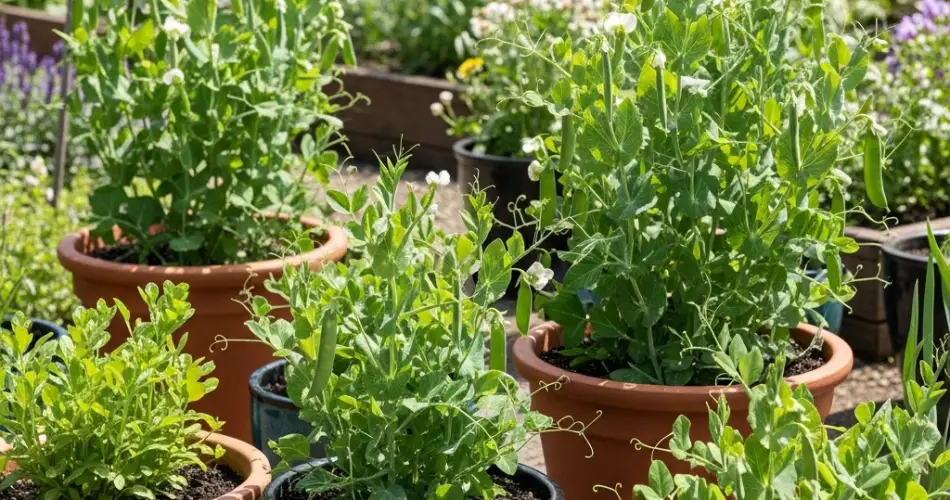
Peas are one of the most satisfying cool-season vegetables to grow, and they’re surprisingly well-suited to container gardening. Whether you have a sunny patio, a small balcony, or a compact backyard, you can enjoy sweet, homegrown peas without needing a full garden bed. Their charming vines and delicate flowers make them attractive additions to small spaces—and their fresh flavor is unmatched when harvested right off the plant.
This guide will walk you through everything you need to grow healthy, productive peas in containers, from choosing the right varieties to harvesting crisp, green pods.
Why Grow Peas in Containers?
Container gardening makes growing peas more accessible, especially for urban gardeners and those with limited outdoor space. Peas are relatively low-maintenance and don’t require deep soil, making them ideal for pots, planters, and even repurposed buckets.
Advantages of growing peas in containers:
-
Great for patios, balconies, rooftops, and decks
-
Easier to manage soil conditions and pests
-
Minimal space required
-
Portable—can be moved to follow the sun
-
Adds vertical greenery and blooms to small areas
Growing peas in containers also helps extend the season, as you can start them early in the spring and move them around for warmth or light exposure.
Best Pea Varieties for Containers
There are three main types of peas: shelling peas, snow peas, and snap peas. All three can be grown in containers, but compact or dwarf varieties are the most practical for limited space.
Top container-friendly pea varieties:
-
Little Marvel – A compact shelling pea, grows just 18 inches tall
-
Sugar Ann – A dwarf snap pea, matures early and doesn’t require tall support
-
Tom Thumb – A miniature heirloom shelling pea, great for small pots
-
Oregon Sugar Pod II – A bush-type snow pea ideal for containers
Look for varieties labeled as “dwarf,” “compact,” or “container-suitable” for the best results in small spaces.
Choosing the Right Container
Peas don’t need extremely deep soil, but they do need enough room to develop healthy roots and some support for climbing.
Container requirements:
-
Depth: At least 8–10 inches
-
Width: 12–18 inches or more for multiple plants
-
Drainage: Must have holes at the bottom to prevent soggy roots
-
Material: Plastic pots, terracotta planters, fabric grow bags, or wooden crates all work well
For vining varieties, include a trellis, cage, or bamboo stakes when planting to give your peas something to climb.
Soil Preparation and Planting
Peas grow best in cool weather and prefer well-draining, nutrient-rich soil. Avoid heavy or compacted mixes that hold too much moisture.
Soil mix:
-
High-quality potting soil as the base
-
Add compost or worm castings for nutrients
-
Mix in perlite or coarse sand to improve drainage
Planting instructions:
-
Fill your container with soil, leaving about an inch at the top.
-
Plant pea seeds 1 inch deep and 2 inches apart.
-
Water gently after planting.
-
Install a trellis or support system right away if needed.
Seeds usually germinate within 7–10 days in cooler temperatures. If planting in early spring, sow seeds as soon as the weather permits.
Light and Watering Needs
Peas thrive in cooler temperatures and bright sunlight but don’t require intense heat.
Light needs:
-
6–8 hours of sun per day is ideal
-
In hot climates, provide afternoon shade to prevent heat stress
-
Rotate containers for even light exposure if sunlight is limited to one direction
Watering tips:
-
Keep soil consistently moist but not waterlogged
-
Water when the top inch of soil feels dry
-
Avoid overhead watering to reduce the risk of mildew or fungal issues
-
Mulch the soil surface to retain moisture and keep roots cool
Supporting and Feeding Your Peas
Peas don’t require heavy feeding, but a gentle nutrient boost will help them thrive in containers.
Fertilizer recommendations:
-
Mix slow-release organic fertilizer into soil before planting
-
Feed every 2–3 weeks with a balanced liquid fertilizer or compost tea
-
Avoid high-nitrogen fertilizers—these promote leaves over pods
Vining types need gentle support as they grow. You can use bamboo poles, twine, wire cages, or a vertical net to encourage upward growth and better air circulation.
Harvesting Peas
Harvesting at the right time ensures the sweetest and most tender peas.
When and how to harvest:
-
Snap peas: Pick when pods are plump but still crisp
-
Snow peas: Harvest when pods are flat but fully developed
-
Shelling peas: Wait until pods are full, then shell and eat the peas inside
-
Use scissors or gently pinch the stem to avoid damaging the vine
-
Harvest regularly to encourage more pod production
Peas are best enjoyed fresh, right after picking. Their flavor diminishes quickly after harvest, so it’s a real treat to grow them at home.
Final Thoughts
Growing peas on your patio is a rewarding and low-maintenance way to enjoy fresh, homegrown produce in small spaces. With the right container, soil, and care, even beginner gardeners can enjoy a healthy pea harvest throughout the cool months of spring or fall.
Whether you’re craving sweet snap peas, tender snow peas, or classic shelling peas, container gardening puts fresh flavor within reach—no garden bed required. It’s a simple and satisfying way to bring greenery and nutrition to your patio space, one vine at a time.


