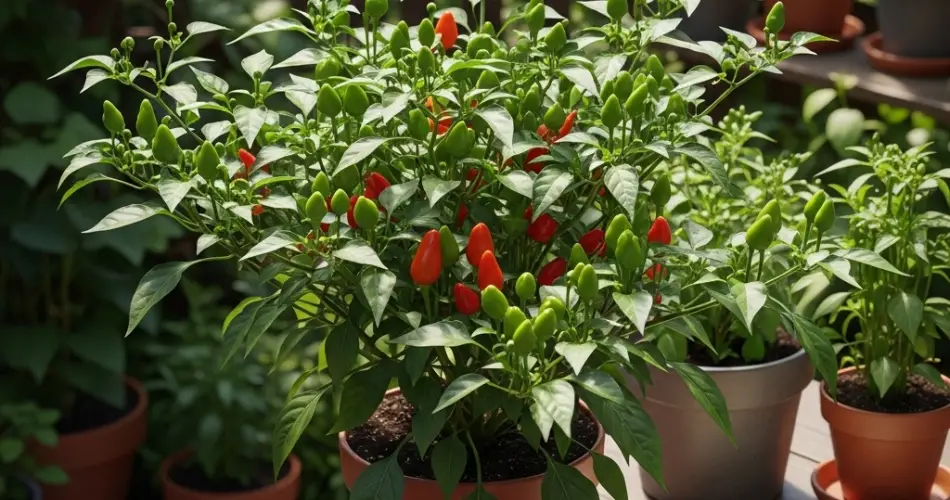
Chili peppers are vibrant, flavorful plants that can thrive in even the smallest of spaces. Whether you have a windowsill, a sunny balcony, or a compact patio, growing chilies in pots is a simple and rewarding way to bring spice and color into your home garden. With dozens of varieties available—ranging from mild to fiery hot—there’s a chili pepper suited for every taste and climate.
Growing chilies in containers not only saves space but also allows for better control over soil, water, and sunlight. This method is ideal for beginners and seasoned gardeners alike, offering a steady supply of peppers throughout the growing season.
Why Grow Chilies in Pots?
Container gardening has become increasingly popular, and chilies are perfectly suited for this approach. Here’s why:
-
Space-saving: Great for urban gardeners and small-space growers.
-
Soil control: Use the perfect soil mix for healthy root growth and spicy fruit.
-
Portability: Easily move plants to follow sunlight or protect them from harsh weather.
-
Pest management: Easier to monitor and treat issues in containers than in open ground.
-
Extended season: In cooler climates, bring pots indoors to keep the growing season going.
Chilies also add ornamental appeal with their bright green foliage, colorful pods, and attractive flowers—making them functional and beautiful plants for any small garden.
Best Chili Varieties for Pots
While most chili plants can grow in containers, compact or dwarf varieties perform especially well. Some top choices include:
-
Cayenne – Thin, curved peppers with moderate heat; grows well in pots with staking.
-
Jalapeño – Popular for their medium heat and versatility in the kitchen.
-
Thai Bird’s Eye – Small but incredibly spicy; thrives in warm weather and compact containers.
-
Habanero – Very hot, with a fruity flavor and vibrant orange color.
-
Chili de Arbol – Tall and narrow, ideal for drying and sauces.
-
Numex Twilight – An ornamental chili that produces peppers in rainbow shades as they ripen.
Choose a variety based on your heat preference and space availability. Compact and ornamental chilies are ideal for balconies or windowsills.
Choosing the Right Container
Chili peppers need plenty of root space and excellent drainage. When selecting a container:
-
Size: Choose a pot that’s at least 10–12 inches (25–30 cm) deep and wide.
-
Drainage: Ensure it has several holes at the bottom to avoid waterlogging.
-
Material: Terracotta, plastic, ceramic, or grow bags all work well. Lighter-colored pots are better in hot climates to prevent overheating.
For larger varieties, go for pots at least 14 inches deep to support healthy root development and fruit production.
Preparing the Soil
Chilies prefer light, fertile, and well-draining soil. Avoid dense or clay-based mixes.
Recommended mix:
-
2 parts quality potting mix
-
1 part compost or aged manure
-
Optional: A handful of perlite or sand to enhance drainage
Before planting, mix in a slow-release organic fertilizer. As the plant matures and begins flowering, supplement with a liquid feed every 2–3 weeks to support fruit production.
Planting and Positioning
-
Seed or Seedling: Start seeds indoors 6–8 weeks before your last frost date or purchase healthy nursery seedlings.
-
Depth: Plant seedlings at the same depth they were growing in their starter pots.
-
Spacing: One plant per pot is ideal to give each chili room to grow.
-
Support: Taller varieties benefit from a small stake or cage to keep the stems upright.
Place the container in a spot that receives 6–8 hours of full sunlight daily. A south-facing location is best for maximum heat and light.
Watering and Care
-
Watering: Keep the soil evenly moist, but not soggy. Water when the top inch of soil feels dry. Overwatering can lead to root rot, while underwatering can cause flower drop.
-
Mulching: Add a thin layer of mulch to retain moisture and keep roots cool.
-
Feeding: Use a balanced fertilizer early in growth, then switch to one higher in potassium to promote flowering and fruiting.
Keep leaves dry when watering to help prevent fungal diseases.
Common Pests and Problems
Potted chilies are less prone to problems than in-ground plants but still need regular monitoring.
-
Aphids and spider mites: Wash off with water or apply neem oil.
-
Whiteflies: Use sticky traps or insecticidal soap.
-
Fungal issues: Avoid waterlogged soil and allow air to circulate between plants.
Inspect plants regularly and act quickly to keep them healthy and productive.
Harvesting Your Chilies
Chilies are usually ready to harvest 60–90 days after planting, depending on the variety. You can pick them:
-
Green for a more vegetal flavor
-
Fully ripened (red, yellow, orange) for maximum heat and sweetness
Use scissors or garden shears to snip peppers from the plant, leaving a small piece of stem attached. Regular harvesting encourages more fruit production.
Final Thoughts
Growing chilies in pots is a flavorful, space-efficient way to spice up your gardening experience. Whether you love mild jalapeños or fiery habaneros, container-grown peppers offer convenience, beauty, and a steady harvest right outside your door. With sunlight, proper soil, and attentive care, you can enjoy fresh chilies from pot to plate—even in the smallest of gardens.


