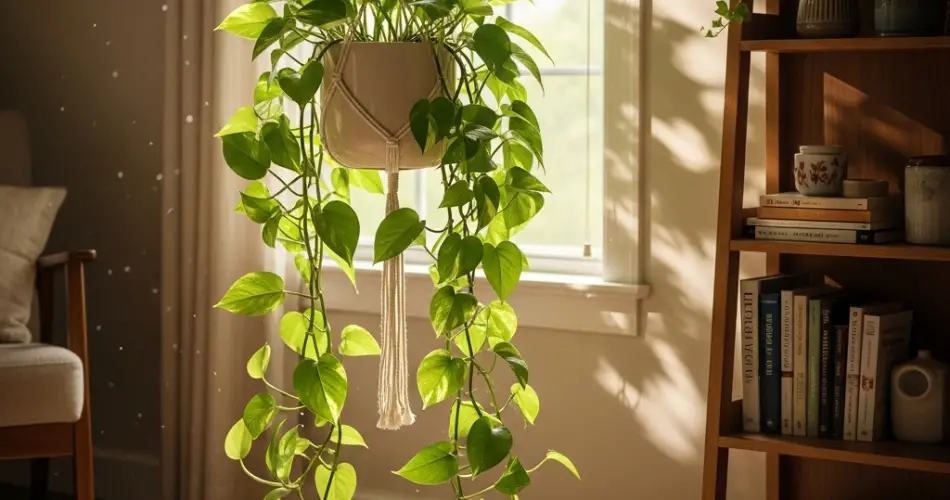
Pothos (Epipremnum aureum), also known as Devil’s Ivy, is a favorite houseplant for beginners and seasoned plant lovers alike. It’s known for its cascading vines, heart-shaped leaves, and ability to thrive in a wide range of indoor conditions. One of the most important factors in keeping your pothos healthy and lush is choosing the right potting setup—this includes selecting the proper soil, pot size, and ensuring good drainage.
Whether you’re repotting a nursery plant or propagating a cutting, this guide will walk you through the essential potting tips to support long-term pothos growth indoors.
Choosing the Right Pot Size
Starting with the right container size is crucial. A pot that’s too small can limit root growth, while a pot that’s too large may retain excess moisture, increasing the risk of root rot.
For young or small pothos plants:
-
A 4 to 6-inch pot is ideal.
-
It provides enough space for initial growth without creating a soggy environment.
For larger or more established plants:
-
Size up only 1 to 2 inches in diameter from the previous pot.
-
For example, if your plant was in a 6-inch pot, move up to an 8-inch pot when repotting.
Avoid jumping to a significantly larger pot. The extra soil will hold more water than the roots can absorb, leading to moisture imbalance and root problems.
Soil Mix: Light and Well-Draining
Pothos thrives in a well-aerated, fast-draining potting mix. While it’s not overly picky, the right blend helps roots breathe and reduces the risk of overwatering.
An ideal pothos mix includes:
-
Regular indoor potting soil as the base
-
Perlite or pumice to improve drainage and aeration
-
Coconut coir or peat moss to retain just enough moisture
-
Optional: a small handful of orchid bark for added texture and drainage
You can either mix these ingredients yourself or buy a premade aroid or houseplant mix designed for tropical foliage.
Avoid garden soil, heavy clay-based mixes, or moisture-retaining blends made for ferns or moisture-loving plants. Pothos prefers quick-drying soil with light, loose texture.
Drainage Is Non-Negotiable
If there’s one golden rule for potting pothos, it’s this: always use a pot with drainage holes. Good drainage prevents water from pooling at the bottom of the pot, which can suffocate the roots and lead to rot.
Here are a few drainage tips to keep in mind:
-
Use a saucer or tray beneath your pot to catch excess water, but empty it regularly so water doesn’t backflow into the soil.
-
If you fall in love with a decorative pot that has no drainage, use it as a cachepot—place a plastic grow pot with holes inside, and remove it when watering.
-
Layering pebbles at the bottom of a pot without drainage is not a substitute. It does not improve drainage and can even worsen the problem.
Keeping roots dry and oxygenated is essential for a healthy pothos.
How to Pot or Repot Your Pothos
Follow these steps to pot or repot your plant successfully:
-
Select the Pot: Choose one with drainage and size it appropriately for the plant’s current root system.
-
Add the Soil Mix: Fill the bottom with your custom or store-bought mix. Create a small well in the center.
-
Place the Plant: Gently remove the pothos from its old pot, loosen the roots, and place it into the new container.
-
Backfill with Soil: Fill in around the roots, pressing lightly to eliminate air pockets. The plant’s crown should sit just at or slightly above soil level.
-
Water Thoroughly: Water until liquid drains from the bottom. Discard any excess water collected in the saucer.
-
Position the Plant: Place it in bright, indirect light for best results. Low light is tolerated, but growth will slow.
Potting Aftercare
After repotting, your pothos might need a few days to adjust. It’s normal for the plant to droop slightly, especially if the roots were disturbed. Keep it out of direct sun during this period, and water only when the top inch of soil feels dry.
Fertilize about a month after repotting to give the plant time to settle into the new soil. Use a balanced liquid houseplant fertilizer diluted to half strength once a month during the growing season.
When to Repot Again
Generally, pothos needs repotting every 1–2 years, or when you notice the following:
-
Roots circling the inside of the pot or poking through drainage holes
-
Slowed growth despite proper light and care
-
Water running straight through the pot without soaking in
Spring and early summer are the best seasons for repotting, as the plant is in active growth and can recover quickly.
Conclusion
Proper potting is the foundation of a thriving pothos. With the right soil, correctly sized pot, and good drainage, your plant will grow vigorous vines and lush leaves for years to come. Keep an eye on root health, avoid overwatering, and give your pothos room to expand slowly. With minimal effort, you’ll be rewarded with a beautiful and resilient indoor companion.


