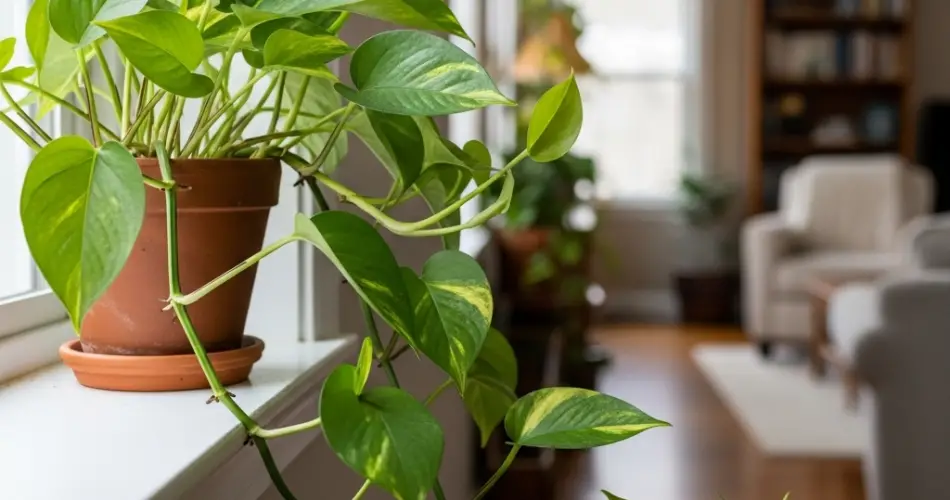
Pothos (Epipremnum aureum), also known as Devil’s Ivy, is a favorite houseplant for a reason. With its trailing vines, heart-shaped leaves, and forgiving nature, pothos is perfect for both beginners and seasoned plant lovers. Not only does it grow well in containers, but it also propagates easily, making it ideal for expanding your indoor garden or sharing with friends.
This guide will walk you through the essential steps for growing and propagating pothos in containers—from selecting the right pot to mastering simple propagation techniques.
Why Grow Pothos in Containers?
Container gardening offers many advantages for pothos. The plant’s compact root system adapts well to pot life, and its cascading vines are beautiful whether left to trail from shelves or trained up a small trellis. Containers also allow you to move the plant easily around your home to adjust light levels or humidity.
Pothos varieties like Golden, Marble Queen, Neon, and Jade thrive in containers and can be mixed or grown separately for added visual appeal.
Choosing the Right Container
When selecting a pot for your pothos, drainage is key. Always use a container with drainage holes to prevent excess water from accumulating and causing root rot. Plastic, ceramic, and terracotta pots all work well, but each has its pros and cons:
-
Terracotta dries out quickly, which is good if you tend to overwater.
-
Plastic retains moisture longer, making it better for dry indoor conditions.
-
Ceramic (with drainage holes) combines aesthetics and functionality.
Choose a pot that is slightly larger than the root ball. Avoid going too large, as overly spacious containers can hold too much moisture.
The Best Soil for Pothos
Pothos prefers a well-draining, nutrient-rich potting mix. Use a standard indoor plant mix or create your own by blending:
-
2 parts all-purpose potting soil
-
1 part perlite or coarse sand
-
1 part peat moss or coconut coir
This combination ensures good drainage while retaining the right amount of moisture for healthy root growth.
Light and Placement
Pothos is adaptable and can grow in a range of light conditions—from low-light corners to bright, indirect sunlight. However, it grows fastest and maintains the best color in medium to bright indirect light. Avoid direct sunlight, which can scorch the leaves.
If your pothos is looking leggy or the variegation is fading, it likely needs more light. A well-lit room near a north- or east-facing window is ideal.
Watering Tips
Let the top 1–2 inches of soil dry out between waterings. Stick your finger into the soil—if it feels dry at that depth, it’s time to water. Always water thoroughly until it drains out the bottom, then discard any water in the saucer to prevent root rot.
In low-light or cooler environments, watering frequency should be reduced. Overwatering is one of the most common problems with pothos care, so when in doubt, it’s better to underwater than overwater.
Feeding for Lush Growth
Fertilize your pothos once a month during the growing season (spring and summer) using a balanced liquid houseplant fertilizer. In fall and winter, feeding can be reduced or paused altogether as the plant enters a slower growth phase.
Pruning and Maintenance
Regular pruning encourages bushier growth and prevents the plant from becoming too leggy. Use clean scissors to cut just above a node (the small bump where leaves and roots form). You can prune to maintain a desired length or shape and use the cuttings for propagation.
Dust the leaves occasionally with a damp cloth to keep them clean and support efficient photosynthesis.
Propagation Made Easy
One of the most rewarding aspects of growing pothos is how simple it is to propagate. Here’s how to do it:
Water Propagation:
-
Cut a healthy vine just below a node, ensuring there are 2–3 leaves on the cutting.
-
Place the cutting in a jar of water, with the node fully submerged.
-
Keep the jar in a warm, bright location out of direct sunlight.
-
Roots typically appear within 2–4 weeks.
-
Once roots are 2–3 inches long, transplant the cutting into soil.
Soil Propagation:
-
Prepare a small container with moist, well-draining potting mix.
-
Insert the cutting’s node directly into the soil.
-
Keep the soil slightly moist until roots establish (usually in 3–4 weeks).
Whether you choose water or soil propagation, the success rate with pothos is high, making it a great choice for propagation projects.
Final Thoughts
Pothos is a low-maintenance, fast-growing plant that flourishes in containers and multiplies easily through propagation. With just a few cuttings, you can quickly fill your home with lush greenery. By following simple care practices—selecting the right container, watering wisely, and propagating with confidence—you’ll enjoy the beauty of pothos vines year-round.


