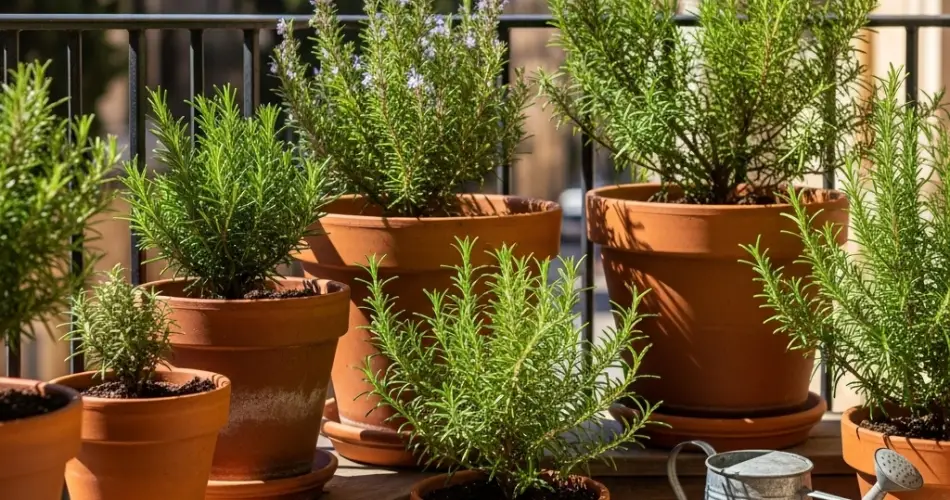
Thyme is one of the most delightful and useful herbs to grow at home. With its earthy, slightly minty aroma and versatility in the kitchen, thyme enhances soups, stews, roasted meats, breads, and even fresh teas. The best part is that thyme is easy to grow, even for beginners, and thrives in pots just as well as in the ground. Container gardening allows anyone—whether you live in a house with a garden, an apartment with a balcony, or simply have a sunny windowsill—to enjoy fresh thyme year-round.
This step-by-step guide will walk you through the essentials of potting thyme, from choosing the right container and soil to caring for your plant and harvesting fragrant sprigs.
Why Pot Thyme?
Potted thyme is perfect for those with limited gardening space. Containers allow you to control soil quality, provide the right drainage, and move your thyme plant easily to catch more sun or protect it from bad weather. For new gardeners, pots also make it easier to spot problems early and give your plants personalized care.
Another big advantage of potted thyme is its decorative appeal. A lush green thyme plant in a terra-cotta or ceramic pot adds charm to kitchens, balconies, or patios, while also keeping fresh herbs within arm’s reach.
Choosing the Right Pot
Thyme doesn’t need a large container, but it does need good drainage. Clay or terra-cotta pots are ideal because they allow soil to dry out between waterings. Plastic pots also work, but make sure they have drainage holes at the bottom.
-
Size: Choose a pot that is at least 8 inches wide and 6–8 inches deep.
-
Shape: Thyme grows outward more than downward, so a wider pot works better than a deep one.
-
Drainage: Always avoid containers without drainage holes, as thyme roots dislike sitting in soggy soil.
Preparing the Soil
Thyme naturally thrives in rocky, sandy Mediterranean soils. To replicate these conditions, use a light, well-draining potting mix. A simple blend includes:
-
2 parts general-purpose potting soil
-
1 part coarse sand or perlite for aeration
-
1 part compost for nutrients
Avoid heavy garden soil, which can retain too much moisture and suffocate the roots. The goal is to create a loose, airy medium that allows excess water to flow through easily.
Planting Thyme
You can grow thyme in pots from seeds, cuttings, or young nursery plants.
-
From seeds: Sprinkle the seeds on the soil surface and lightly press them in. Do not bury them deeply, as thyme seeds need light to germinate. Keep the soil moist until seedlings appear, usually within 2–3 weeks.
-
From cuttings: Take a 3–4 inch cutting from an established thyme plant, remove the lower leaves, and place it in moist soil. Roots will develop within a few weeks.
-
From nursery plants: Transplanting a young thyme plant is the quickest method. Simply place it in your prepared container and fill in around the roots with soil.
Light and Water Requirements
Thyme loves sunshine. Aim to give your potted thyme 6–8 hours of direct sunlight daily. A south-facing window or a bright balcony is perfect. If you don’t get enough sunlight indoors, consider using a grow light.
When it comes to watering, thyme is drought-tolerant and prefers slightly dry soil. Water only when the top inch feels dry. Overwatering is a common mistake—too much moisture can cause root rot and weaken the plant.
Feeding and Care
Thyme doesn’t require heavy feeding. In fact, too much fertilizer can reduce its aromatic oils, making the leaves less flavorful. Feed lightly once every 4–6 weeks during the growing season with a diluted liquid fertilizer or compost tea.
Pruning is important for keeping thyme healthy and productive. Regularly snip sprigs to encourage new growth and prevent the plant from becoming woody. After flowering, trim it back lightly to maintain a compact shape.
Seasonal Tips
In warm climates, thyme can stay outdoors year-round. However, in colder areas, move potted thyme indoors before frost arrives. Place it near a sunny window and reduce watering in winter, as growth slows during the colder months.
If you want to keep thyme outdoors during winter, protect the pot by wrapping it in burlap or placing it against a sheltered wall.
Harvesting Your Thyme
You can begin harvesting thyme once the plant is well established. Use clean scissors or garden shears to snip off stems as needed. Try not to cut more than one-third of the plant at a time, so it can continue to grow.
The best time to harvest is in the morning, after dew has dried but before the sun becomes too strong, when the aromatic oils are most concentrated.
To preserve thyme:
-
Drying: Hang small bundles upside down in a dry, airy space until crisp. Store in airtight containers.
-
Freezing: Chop fresh thyme and freeze it in ice cube trays with water or olive oil for easy cooking use.
Final Thoughts
Potting thyme is a beginner-friendly project that rewards you with a steady supply of fresh herbs. With just a sunny spot, a well-draining pot, and minimal care, thyme will flourish and provide fragrant leaves for months on end. Whether placed on a kitchen windowsill or out on a balcony, potted thyme adds both beauty and flavor to your home.


