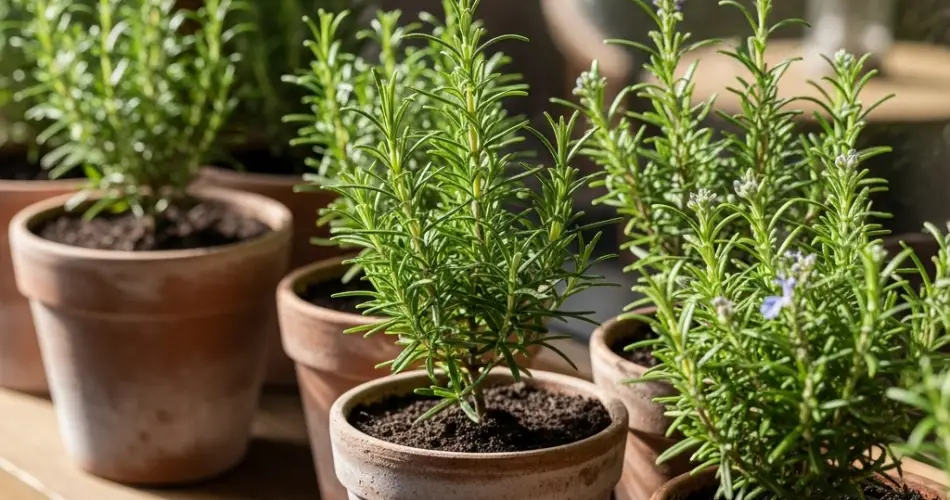
Rosemary is one of the most popular herbs to grow at home, thanks to its bold fragrance, culinary versatility, and ornamental appeal. While rosemary can thrive in the ground, it also adapts beautifully to pots, making it perfect for balconies, patios, and small spaces. However, to keep rosemary bushy, productive, and healthy in a container, it requires thoughtful care. From pruning and watering to soil and sunlight, each step plays a role in ensuring your rosemary plant flourishes.
This guide explores how to maintain rosemary in pots so that it stays lush, vibrant, and ready to harvest throughout the year.
Choosing the Right Pot
The foundation of a healthy rosemary plant starts with the container. Rosemary has a fibrous root system that prefers space to spread.
-
Size: Select a pot that is at least 30–40 cm in diameter. A larger pot not only gives roots room to grow but also prevents the soil from drying out too quickly.
-
Material: Terracotta pots are an excellent choice because they allow for good air circulation around the soil and help regulate moisture. Plastic pots can also work but may retain more water, which increases the risk of root rot.
-
Drainage: Adequate drainage is essential. Ensure the pot has multiple holes at the bottom, and consider adding a layer of pebbles or broken pottery to improve water flow.
Soil Requirements
Rosemary thrives in soil that mirrors its native Mediterranean environment: light, well-drained, and slightly alkaline.
-
Use a high-quality potting mix combined with sand or perlite to improve drainage.
-
Avoid heavy or clay-rich soils that retain too much water.
-
For extra nutrients, mix in a small amount of compost, but keep it balanced—overly rich soil can lead to leggy growth instead of dense, bushy foliage.
Light and Temperature Needs
Rosemary is a sun-loving plant that requires at least 6–8 hours of direct sunlight daily. Place your potted rosemary in a bright location such as a south-facing balcony or windowsill. If growing indoors where sunlight is limited, supplement with a grow light to keep the plant strong and compact.
In terms of temperature, rosemary prefers warm conditions but can tolerate cooler weather. If you live in a region with cold winters, bring your rosemary indoors before frost arrives. Keep it near a sunny window and ensure good air circulation to prevent fungal issues.
Watering Practices
Watering is one of the most critical factors in keeping rosemary healthy. The plant is drought-tolerant and dislikes sitting in wet soil.
-
Allow the top 2–3 cm of soil to dry out between waterings.
-
Water deeply, letting excess drain from the bottom of the pot.
-
During summer, rosemary may need watering two to three times per week, while in cooler months, once a week may be enough.
-
Avoid overhead watering to prevent fungal diseases on the leaves.
A good rule of thumb is to underwater rather than overwater, as rosemary recovers better from dry conditions than from root rot.
Pruning for a Bushy Shape
Pruning is the secret to keeping rosemary bushy and full. Without trimming, rosemary can become woody, tall, and sparse.
-
Begin pruning once the plant reaches about 15–20 cm in height.
-
Use sharp scissors or pruning shears to cut just above a leaf node.
-
Regularly trim back the tips of stems to encourage branching and denser foliage.
-
Avoid cutting into old, woody stems, as they rarely produce new growth.
-
Harvesting leaves frequently also acts as natural pruning, keeping the plant compact.
A well-pruned rosemary plant not only looks attractive but also produces more tender, flavorful leaves.
Fertilizing Rosemary in Pots
Because rosemary is not a heavy feeder, it doesn’t require much fertilization. However, occasional feeding will keep it vigorous.
-
Apply a balanced, slow-release fertilizer in spring.
-
Alternatively, use a diluted liquid fertilizer every four to six weeks during the growing season.
-
Avoid high-nitrogen fertilizers, which encourage excessive leafy growth at the expense of aroma and flavor.
Long-Term Maintenance
Rosemary is a perennial herb that can live for many years in a pot with proper care. To keep it healthy over the long term:
-
Repot every 2–3 years, refreshing the soil and trimming back roots slightly if the plant becomes root-bound.
-
Rotate the pot occasionally so that all sides of the plant receive equal sunlight, preventing uneven growth.
-
Monitor for pests such as aphids, spider mites, or whiteflies. A gentle spray of water or neem oil usually keeps infestations under control.
Winter Care for Potted Rosemary
In colder climates, rosemary may struggle outdoors during winter. If frost is expected:
-
Move pots indoors before the first freeze.
-
Place the plant near a sunny window where it can still receive ample light.
-
Water sparingly, as rosemary requires less moisture during dormancy.
-
Maintain good airflow to avoid powdery mildew.
With these steps, your rosemary can survive the winter and continue growing once spring arrives.
Conclusion
Growing rosemary in pots is an excellent way to enjoy fresh herbs while adding beauty to your space. To keep the plant bushy and healthy, focus on providing the right pot, well-drained soil, abundant sunlight, careful watering, and consistent pruning. With minimal maintenance, rosemary will thrive for years, rewarding you with fragrant, flavorful leaves for cooking and a visually striking addition to your container garden.
By applying these care practices, you’ll have a lush, bushy rosemary plant that enhances your garden, patio, or kitchen windowsill all year long.


