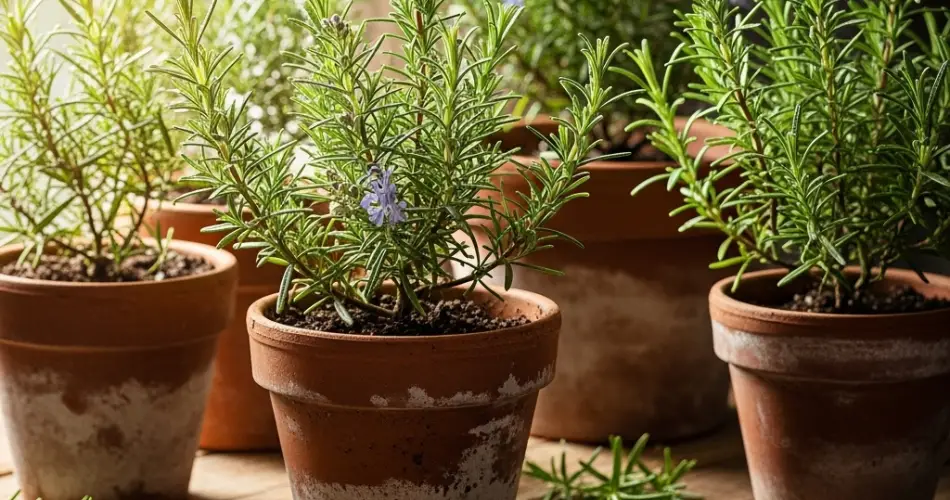
Thyme is one of the most versatile and rewarding herbs to grow at home. With its fragrant leaves and earthy, slightly minty flavor, it enhances a wide range of dishes from roasted meats to soups and herbal teas. What makes thyme especially appealing to home gardeners is its adaptability—this Mediterranean herb thrives in pots and containers, making it a great choice for balconies, patios, and even indoor spaces.
When grown in pots, thyme requires attention to a few key elements: proper drainage, sufficient light, and thoughtful care. By meeting these basic needs, you can enjoy a steady supply of fresh thyme throughout the year, regardless of whether you have a large garden or only a sunny windowsill.
Choosing the Right Pot
Selecting the correct pot is the first step toward healthy thyme. Because thyme originates from dry, rocky regions, its roots are adapted to well-drained soil. Pots must replicate these conditions.
-
Size: A pot that is 15–20 cm deep is typically enough for thyme. The plant has a relatively shallow root system, so it doesn’t require deep containers. However, giving it some width helps the plant spread naturally.
-
Material: Terracotta pots are ideal because they allow soil to breathe and prevent excess moisture buildup. Plastic and ceramic pots also work, provided they include drainage holes.
-
Drainage: Good drainage is non-negotiable. Ensure your pot has holes at the base to allow excess water to escape. Without drainage, thyme roots can easily rot in waterlogged conditions.
Soil Requirements
Thyme does best in light, sandy, and well-drained soil. A good potting mix for thyme should mimic the arid conditions of the Mediterranean hillsides where it grows naturally.
-
Start with a standard potting soil.
-
Mix in sand, perlite, or coarse grit to keep the soil light and free-draining.
-
Avoid heavy, clay-rich soils that retain moisture.
-
Add a small amount of compost or organic matter for nutrients, but don’t overdo it—thyme thrives in lean soils.
This type of soil setup not only prevents root problems but also helps the plant produce more flavorful leaves.
Light Requirements
Thyme is a sun-loving herb. To thrive in a pot, it requires at least 6 hours of direct sunlight daily. Outdoors, place the pot in a bright, sunny spot such as a patio, balcony, or windowsill with strong sun exposure.
Indoors, a south-facing window is usually the best choice. If your home doesn’t receive enough natural sunlight, supplement with a grow light to ensure the plant continues producing healthy, aromatic leaves.
Watering and Care
Thyme is naturally drought-tolerant, which makes it one of the easiest herbs to manage. However, watering still requires attention.
-
Watering Schedule: Allow the top 2–3 cm of soil to dry out between waterings. Insert your finger into the soil to check—if it feels dry, it’s time to water.
-
Avoid Overwatering: Never let thyme sit in water. Empty saucers or trays beneath pots to prevent standing moisture.
-
Fertilizing: Thyme is not a heavy feeder. A light application of diluted organic fertilizer once a month during the growing season is enough. Over-fertilizing can cause the plant to lose some of its aromatic intensity.
Regular pruning also helps. Trim back stems to encourage bushier growth and prevent the plant from becoming woody.
Harvesting Thyme
Harvesting thyme is simple and actually improves the plant’s overall growth.
-
Begin harvesting once the plant reaches about 15 cm in height.
-
Use clean scissors to snip stems just above a leaf node.
-
Regular harvesting encourages the plant to produce more shoots and leaves.
-
Avoid cutting more than one-third of the plant at a time to ensure continued growth.
If flowers appear, pinch them off unless you want the plant to go to seed. Flowering can reduce the strength of the leaves’ flavor.
Long-Term Care and Maintenance
Thyme is a perennial herb, meaning it can live for several years with proper care. However, it can become woody over time. To keep your plant productive:
-
Prune regularly to stimulate new, tender growth.
-
Repot every couple of years, refreshing the soil to give roots more space and nutrients.
-
Divide plants if they become too large for their pots.
With these steps, thyme can continue to flourish and provide a constant supply of leaves for cooking.
Companion Planting in Pots
Thyme is well-suited to container gardens where multiple herbs share space. It grows harmoniously with rosemary, oregano, and sage—all of which enjoy similar conditions of full sun and dry soil. Grouping these herbs together creates a compact Mediterranean garden in one large pot, perfect for balconies or patios.
Conclusion
Growing thyme in pots is an easy and practical way to bring fresh herbs into your home, no matter the size of your gardening space. With the right drainage, sunlight, and care, thyme will reward you with an abundant supply of flavorful sprigs. Its low-maintenance nature makes it perfect for both beginners and experienced gardeners, while its compact size fits seamlessly into urban living spaces.
Whether you’re placing a terracotta pot on your balcony or growing thyme indoors near a sunny window, this hardy herb adapts beautifully. By focusing on proper drainage, sufficient light, and mindful care, you can enjoy thriving thyme plants year-round, ready to enhance your favorite recipes.


