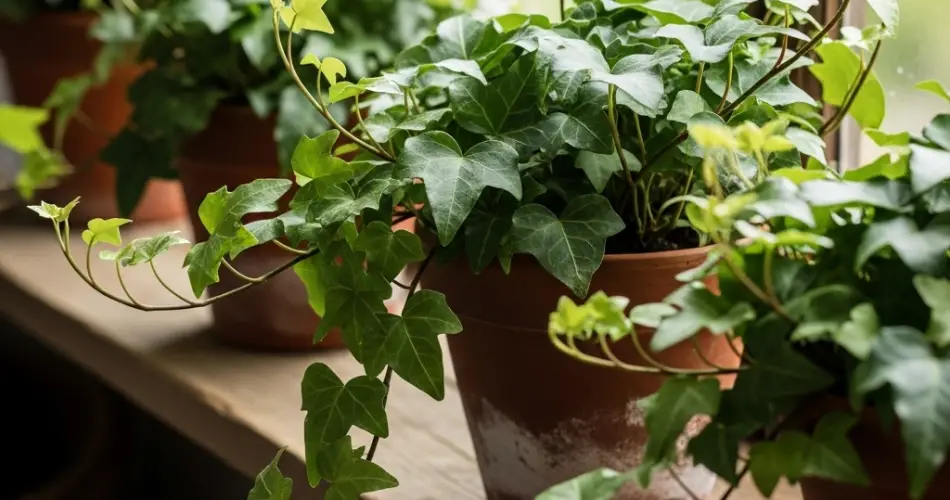
English ivy (Hedera helix) is a classic favorite for indoor and outdoor plant lovers. Known for its lush, trailing vines and rich green leaves, this hardy climber thrives in containers—if potted correctly. While English ivy is relatively low-maintenance, choosing the right soil and ensuring proper drainage are key to keeping it healthy and vibrant.
Whether you’re growing it on a windowsill, hanging it in a basket, or letting it climb along a trellis, the way you pot your ivy directly impacts its growth. Improper soil or poor drainage can quickly lead to root rot, yellowing leaves, and fungal issues. With the right setup, though, your ivy can grow vigorously and enhance any space with its elegant, timeless appeal.
Why Potting Matters for English Ivy
Though English ivy is resilient, its roots are sensitive to overwatering and compaction. In its native environments, it often grows in loose, well-draining soil along forest floors or climbing tree trunks—conditions that promote airflow and prevent waterlogging.
When potted, mimicking these natural conditions gives ivy the support it needs to flourish. Good drainage keeps the roots oxygenated and discourages fungal growth. The right soil mix ensures a balance of moisture retention and breathability, allowing ivy to develop strong roots and lush foliage.
Choosing the Right Pot
Start by selecting a container that supports healthy drainage and accommodates ivy’s shallow root system.
Ideal pot characteristics:
-
Has drainage holes at the bottom
-
Medium depth (not too deep—ivy prefers a shallower root zone)
-
Made of breathable materials like terracotta or unglazed ceramic (optional, but helpful)
Plastic pots can also work well as long as they drain properly and you monitor moisture levels. If you’re using decorative pots without holes, place the ivy in a plastic grower’s pot inside and remove it for watering.
If you enjoy upcycling, plastic bottles or food containers can be turned into functional ivy planters—just make sure to create adequate drainage holes.
Soil Composition for English Ivy
English ivy prefers light, airy soil with excellent drainage. A heavy, clay-based mix will retain too much moisture and suffocate the roots.
Recommended soil mix:
-
2 parts all-purpose potting soil
-
1 part perlite or coarse sand
-
1 part coco coir or peat moss
This blend provides a structure that holds some moisture while allowing excess water to flow freely. For added benefits, you can mix in a small handful of compost or worm castings to provide slow-release nutrients.
If using garden soil, always amend it with perlite and peat to improve texture and drainage.
Preparing the Pot and Planting
Once you have your pot and soil ready, follow these steps to plant or repot your English ivy:
-
Check drainage holes and add a layer of pebbles or broken pottery at the bottom to prevent soil from compacting around the holes.
-
Fill the pot about halfway with your soil mix.
-
Gently remove the ivy from its previous container. Loosen the roots slightly if they are tightly bound.
-
Place the ivy in the center of the new pot, keeping the top of the root ball just below the rim.
-
Fill in around the roots with fresh soil, pressing lightly to remove air pockets.
-
Water thoroughly until water drains from the bottom. Let the plant sit to drain fully before placing it in its permanent spot.
Proper Watering After Potting
Ivy likes to stay slightly moist but never soggy. After potting, it’s important to establish a watering routine that keeps the roots healthy.
Watering tips:
-
Allow the top inch of soil to dry between waterings.
-
Always empty saucers or outer containers to prevent standing water.
-
In warmer months, check the soil more frequently.
-
Reduce watering in cooler seasons when growth slows.
Overwatering is a common issue—signs include yellowing leaves, mushy stems, and a musty odor. If you notice these, reduce watering and check for clogged drainage holes.
Light and Location
After repotting, place your English ivy in a spot with bright, indirect light. While it tolerates low light, growth will be slower, and variegated varieties may lose their coloration.
Avoid direct afternoon sun, especially through glass, which can scorch the leaves. East- or north-facing windows are ideal. For hanging baskets or shelf displays, rotate the pot every couple of weeks to ensure even growth.
Fertilizing and Ongoing Care
Once your ivy is well established, usually a few weeks after repotting, begin feeding it monthly during the growing season with a diluted liquid fertilizer. Choose a balanced (10-10-10) or foliage-focused blend.
Additional care tips:
-
Trim leggy vines to encourage bushier growth.
-
Clean leaves occasionally to remove dust and pests.
-
Check regularly for spider mites, especially in dry indoor air.
Repot ivy every 1–2 years, or when it becomes root-bound or the soil begins to break down and compact.
Set Up for Success
Potting English ivy properly from the start ensures that your plant thrives, producing dense foliage and vigorous vines. By using the right container, creating a loose and breathable soil mix, and prioritizing drainage, you’ll avoid the most common issues associated with ivy care.
Whether cascading from a shelf or climbing a trellis, a well-potted ivy plant adds timeless beauty and greenery to any space. With just a little attention to soil and drainage, your English ivy will reward you with years of fresh, elegant growth.


