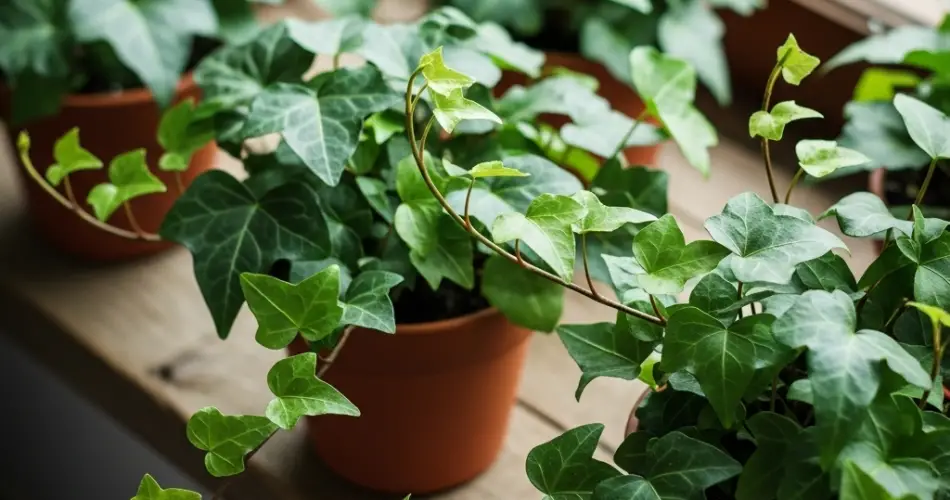
English ivy (Hedera helix) is a classic, elegant plant known for its trailing vines and distinctive, lobed leaves. It’s a favorite for indoor gardeners who want a touch of greenery that’s both attractive and easy to care for. One of the best things about English ivy is how adaptable it is—it grows happily in a variety of light conditions and can thrive even in small containers.
If you’re short on space or simply want to keep your plant care routine simple, growing English ivy in compact pots is a great option. With the right setup and basic care, this versatile vine can brighten up windowsills, shelves, or desks, making it perfect for apartments, offices, and other indoor spaces.
Why Choose English Ivy for Small Containers?
English ivy is a low-maintenance, fast-growing plant that responds well to container life. Here’s why it’s especially suited for smaller pots:
-
Compact root system: English ivy doesn’t need deep pots to thrive.
-
Adaptable: It tolerates a wide range of light conditions, from bright indirect light to partial shade.
-
Trailing habit: Even in a small container, the vines will grow long and full, creating a cascading effect.
-
Air-purifying: It helps remove toxins from the air, improving indoor air quality.
-
Easy to prune: You can shape or trim it easily to control its size and appearance.
Whether placed on a shelf or hung in a planter, English ivy adds a classic, slightly wild charm to any setting.
Choosing the Right Container
When growing English ivy in a small container, the pot’s size and design are important for keeping the plant healthy:
-
Size: A pot that’s 4–6 inches in diameter is ideal for young or single ivy plants.
-
Material: Plastic and ceramic pots help retain moisture, while terracotta allows excess moisture to evaporate—choose based on your environment and watering habits.
-
Drainage: Make sure the container has drainage holes. Ivy does not like soggy roots and will suffer in poorly drained soil.
If you’re repurposing an item as a pot, add a layer of pebbles at the bottom and monitor watering carefully.
The Best Potting Mix for Ivy
English ivy needs a light, well-draining soil mix. You can use standard indoor plant soil or make your own blend using:
-
2 parts all-purpose potting soil
-
1 part perlite or coarse sand (for drainage)
-
1 part peat moss or coconut coir (for moisture retention)
This mix helps prevent root rot by allowing excess water to drain away while keeping the roots lightly moist.
Planting English Ivy in a Small Container
-
Choose a healthy plant or cutting: You can purchase a small ivy plant or propagate one from a cutting with a few nodes and leaves.
-
Prepare the container: Ensure it’s clean and has proper drainage.
-
Add soil: Fill the pot about two-thirds full with your prepared potting mix.
-
Plant the ivy: Place the root ball or cutting into the pot and fill around it with more soil, pressing gently to secure the plant.
-
Water thoroughly: Let the water run out of the drainage holes to ensure even moisture, then allow the excess to drain completely.
Care Tips for Container-Grown Ivy
English ivy is famously low-maintenance, but here’s how to keep it healthy and looking great:
-
Light: Prefers bright, indirect light but tolerates low light. Avoid direct sun, which can scorch the leaves.
-
Water: Keep the soil evenly moist but not soggy. Water when the top inch of soil feels dry. Avoid letting the plant sit in water.
-
Humidity: Ivy prefers moderate humidity. Mist occasionally or place the container on a pebble tray if your air is dry.
-
Temperature: Ideal range is 50–75°F (10–24°C). Avoid placing it near heaters or cold drafts.
-
Feeding: Fertilize once a month during the growing season (spring and summer) with a diluted all-purpose houseplant fertilizer.
Pruning and Styling Ivy in Small Containers
Pruning helps control the size of your ivy and encourages fuller growth:
-
Trim back leggy vines to encourage branching.
-
Pinch off the tips to promote bushier growth.
-
Remove yellowing or damaged leaves regularly.
You can let your ivy trail over the sides of the pot or use a small trellis or wire hoop to train it into a more upright or decorative form.
Troubleshooting Common Ivy Problems
Even easy plants have occasional issues. Here are some quick fixes:
-
Yellow leaves: Often caused by overwatering or poor drainage. Check your soil and container.
-
Brown leaf edges: Usually a sign of low humidity. Increase misting or move the plant to a more humid area.
-
Pests: Keep an eye out for spider mites or aphids. Wipe leaves with a damp cloth or use insecticidal soap if needed.
Regularly dusting the leaves also helps the plant breathe and keeps pests at bay.
Final Thoughts
Growing English ivy in small containers is a simple and satisfying way to add greenery to your indoor space. It’s ideal for anyone looking for a plant that doesn’t demand much attention but still offers beautiful visual rewards. With just a little care, your ivy will flourish, cascading elegantly from its pot and bringing a touch of timeless charm to your home.
Compact, attractive, and low-effort—English ivy proves that you don’t need a large garden or complicated setup to enjoy the beauty of plants.


