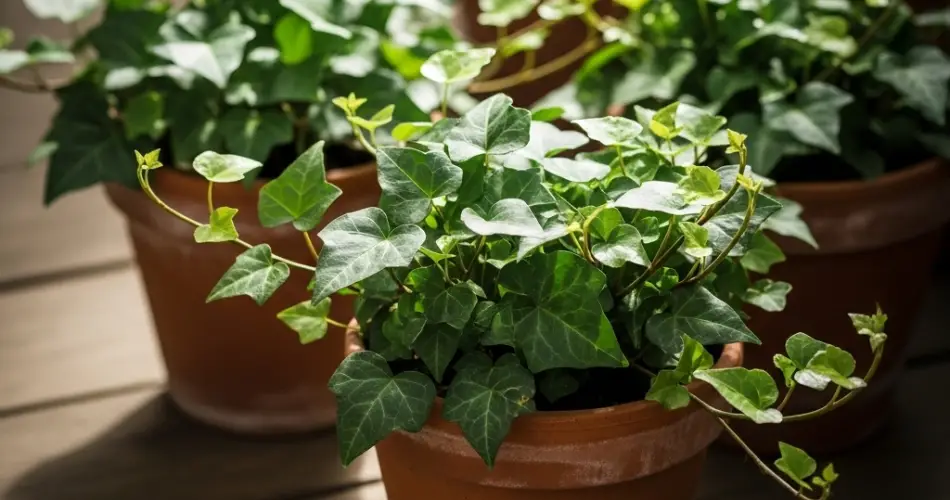
English ivy (Hedera helix) is a classic favorite for indoor gardeners seeking a low-maintenance plant with plenty of visual appeal. Its glossy, trailing leaves bring a soft, natural elegance to any room, making it perfect for small living spaces. Whether you’re living in a city apartment, working with a tiny office, or just want to add greenery to a shelf or windowsill, English ivy is an ideal plant to grow in containers.
This versatile plant adapts well to pot life and doesn’t require much space to thrive. When grown in containers, it’s easy to care for, manage, and style, giving you a beautiful living accent without the fuss. Here’s how to successfully grow English ivy in containers—even in the smallest of spaces.
Why English Ivy is Perfect for Containers
English ivy is a vine, but its compact root system makes it well-suited for container gardening. Here are a few reasons why this plant is so container-friendly:
-
Compact and controllable: Ivy grows slowly in pots, making it easier to maintain.
-
Decorative trailing habit: The vines spill gracefully over edges, making ivy great for hanging baskets or shelf planters.
-
Adaptable light needs: English ivy tolerates both bright, indirect light and partial shade.
-
Air-purifying: It helps improve indoor air quality by filtering out certain toxins.
-
Flexible styling: It can be pruned into a bushy form, allowed to cascade, or trained vertically on small trellises.
In short, English ivy offers the beauty of a vining plant with all the convenience of a compact houseplant.
Choosing the Right Container
When growing ivy in small spaces, the container you choose matters. It affects not only how the plant grows but also how much maintenance it will require.
Key features to look for:
-
Size: A 4- to 6-inch diameter pot is sufficient for small ivy plants. You can size up as the plant grows.
-
Material: Plastic, glazed ceramic, or terracotta all work well. Terracotta helps prevent overwatering by allowing moisture to escape through the walls.
-
Drainage: Always choose a container with drainage holes. Ivy dislikes waterlogged soil, which can lead to root rot.
If your container doesn’t have holes, use it as a decorative outer cover and keep your plant in a smaller plastic pot inside for easy watering.
Best Soil for English Ivy in Pots
Ivy prefers a loose, well-draining soil that holds some moisture but doesn’t stay soggy.
Use an indoor potting mix that includes:
-
Peat moss or coconut coir (for moisture retention)
-
Perlite or coarse sand (for drainage)
-
Optional: a handful of compost or worm castings for a nutrient boost
Avoid using heavy garden soil, which compacts easily and can choke the roots in container settings.
Planting and Repotting Tips
When planting ivy in a container:
-
Fill the pot with your prepared potting mix.
-
Remove the ivy from its original container, gently loosening the roots.
-
Place it in the new pot, keeping the base of the stems just above the soil surface.
-
Backfill with soil, pressing gently to secure the plant.
-
Water thoroughly until it drains from the bottom.
Repot every 1–2 years or when the plant outgrows its container. Ivy enjoys slightly snug roots but benefits from fresh soil and more space as it matures.
Light and Temperature Requirements
-
Light: Bright, indirect light is ideal. Ivy can handle partial shade but may become leggy if light is too low.
-
Avoid direct sun, especially through glass, as it can scorch the leaves.
-
Temperature: English ivy prefers cool to moderate temperatures, ideally between 50–70°F (10–21°C).
-
Avoid placing the plant near radiators, heaters, or cold drafts.
Watering and Feeding
Ivy enjoys evenly moist soil but not wet feet. Let the top inch of soil dry out before watering again.
-
Water thoroughly, allowing excess to drain.
-
Reduce watering in winter, when growth slows.
-
Fertilize every 4–6 weeks during the growing season with a balanced, diluted liquid fertilizer.
Too much fertilizer can cause leaf browning or stunted growth, so it’s better to underfeed than overdo it.
Pruning and Styling Ivy
To maintain a tidy shape and encourage bushier growth:
-
Trim long vines regularly to your desired length.
-
Pinch back the tips to stimulate branching.
-
Remove yellow or damaged leaves as needed.
You can train ivy along a small trellis, hoop, or moss pole for vertical interest—or let it spill freely over shelves and hanging baskets.
Pest and Problem Prevention
While generally hardy, ivy can occasionally suffer from:
-
Spider mites – Keep humidity up and wipe leaves with a damp cloth.
-
Aphids or mealybugs – Rinse the plant and treat with insecticidal soap if needed.
-
Yellow leaves – Often a sign of overwatering or poor drainage.
-
Leggy growth – Usually due to insufficient light.
Regular pruning, careful watering, and occasional cleaning will keep your ivy healthy and vibrant.
Final Thoughts
English ivy is a perfect plant for small-space gardeners looking for greenery without the hassle. Its trailing growth, easy care routine, and versatility in containers make it a reliable and decorative houseplant. Whether displayed on a windowsill, bookshelf, or hanging basket, container-grown English ivy brings timeless charm to any indoor space.
With the right soil, proper container, and a bit of attention, your English ivy will thrive—adding lush foliage and a touch of nature to even the coziest of homes.


