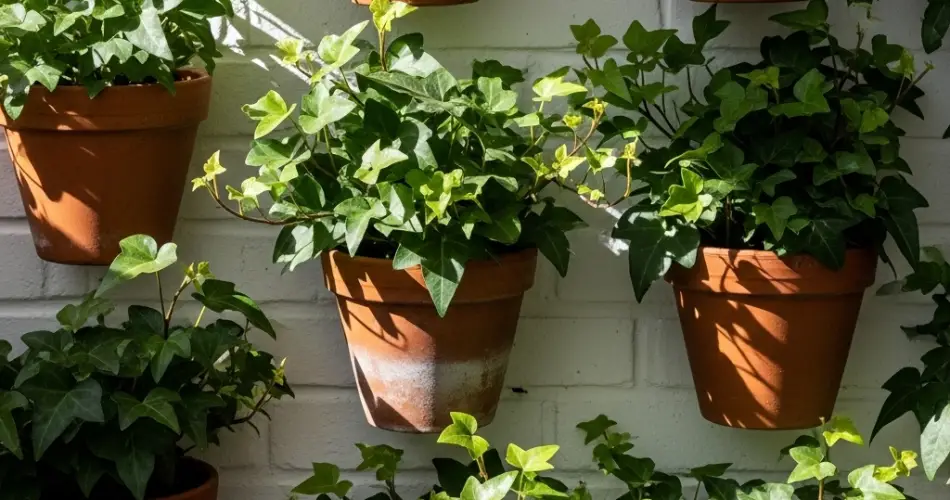
English ivy (Hedera helix) is a classic trailing plant that adds charm and elegance to any interior space. With its cascading vines and evergreen leaves, ivy is often grown in hanging baskets or traditional pots. However, wall-mounted and shelf containers offer a creative, space-saving alternative that transforms your ivy into a living decoration. Training English ivy in these types of containers is not only visually appealing—it’s also a practical way to make the most of vertical and horizontal space.
By giving ivy the support and guidance it needs, you can train it to grow neatly along walls, wrap around trellises, or spill elegantly from shelves. With some basic setup and consistent care, your ivy will grow into a lush, sculptural accent for your indoor garden.
Why Choose Wall or Shelf Containers?
Wall and shelf containers allow you to integrate plants directly into your home’s decor. They’re perfect for small apartments, studios, or areas where floor space is limited. English ivy adapts easily to these containers because of its trailing nature and moderate growth rate.
Benefits include:
-
Vertical gardening for compact spaces
-
Natural air purification from elevated greenery
-
Decorative potential as ivy trails across walls or down shelving
-
Improved light exposure, especially near windows
You can choose to let the vines hang naturally or guide them upward using supports.
Choosing the Right Container
Not all containers are suited for ivy growth on vertical surfaces. Look for lightweight, breathable, and well-draining planters.
Ideal characteristics include:
-
Drainage holes to prevent waterlogging
-
A shallow-to-medium depth (4–6 inches is sufficient)
-
Hooks, brackets, or built-in mounting systems for wall placement
-
Materials such as plastic, ceramic, or metal with liners
Wall pockets, box planters, mounted pots, and repurposed plastic bottles are all great options, as long as drainage and stability are addressed.
Soil and Watering Essentials
Use a well-draining potting mix for ivy, ideally a blend of:
-
2 parts all-purpose potting soil
-
1 part perlite or coarse sand
-
1 part peat moss or coco coir for moisture retention
Because wall and shelf containers are often smaller, they dry out more quickly than standard pots. Check moisture levels regularly and water when the top inch of soil feels dry. Always allow excess water to drain freely and avoid letting the roots sit in standing water.
To prevent drips, place a catch tray underneath shelf containers or line the base of wall planters with absorbent material like coconut coir or moss.
Training Ivy in Containers
Ivy vines can be guided in several ways, depending on your layout goals. Whether you want upward growth, a curtain of greenery, or a neatly sculpted pattern, you’ll need to provide some form of support or direction.
Common training methods:
-
Trailing (natural growth):
Simply let the vines grow and hang freely from shelves or wall pots. This works well for relaxed, cascading aesthetics. -
Climbing (guided growth):
Attach a trellis, wire grid, or string system to the wall or container. Secure the vines loosely using plant ties, clips, or twist ties. Guide new growth in the direction you want. -
Framing (design-based):
Use removable hooks or adhesive clips to outline a specific shape or pattern. As vines grow, attach them along the outline to form natural wall art.
Tips for success:
-
Start training while the vines are still young and flexible.
-
Gently reposition growth every couple of weeks.
-
Avoid pinching or tying vines too tightly.
-
Prune regularly to encourage bushier growth and control spread.
Light and Placement
English ivy thrives in bright, indirect light. Place wall or shelf containers near east- or north-facing windows, or use LED grow lights if natural light is limited.
Too little light may cause legginess and slow growth, while too much direct sun can scorch the leaves. Rotate the container or vines occasionally to ensure even exposure and avoid one-sided growth.
General Care Tips
-
Fertilize lightly once a month during spring and summer using a diluted balanced fertilizer (e.g., 10-10-10).
-
Wipe leaves with a soft, damp cloth to remove dust and encourage healthy photosynthesis.
-
Monitor for pests, especially spider mites and aphids, which are attracted to ivy in dry indoor air.
-
Trim regularly to prevent overgrowth and maintain shape.
For denser foliage, pinch back the tips of vines every few weeks to stimulate branching.
Design Ideas for Wall and Shelf Ivy
-
Let ivy drape down a bookshelf for a soft, natural contrast to hard lines.
-
Train it to frame a mirror or window, adding organic texture to your space.
-
Grow ivy along floating shelves, combining greenery with decorative items.
-
Use a grid panel or mesh frame to create a full green wall effect with multiple vines.
-
Create a hanging curtain of ivy using staggered bottle planters or wall-mounted jars.
Create a Living Accent Wall
Training English ivy in wall or shelf containers is a creative and satisfying way to bring nature indoors while making efficient use of space. With the right setup, your ivy can become a living work of art—cleaning the air, softening the room, and growing more beautiful over time. Whether cascading freely or following a sculpted path, your container-grown ivy will thrive with a little guidance and care.


