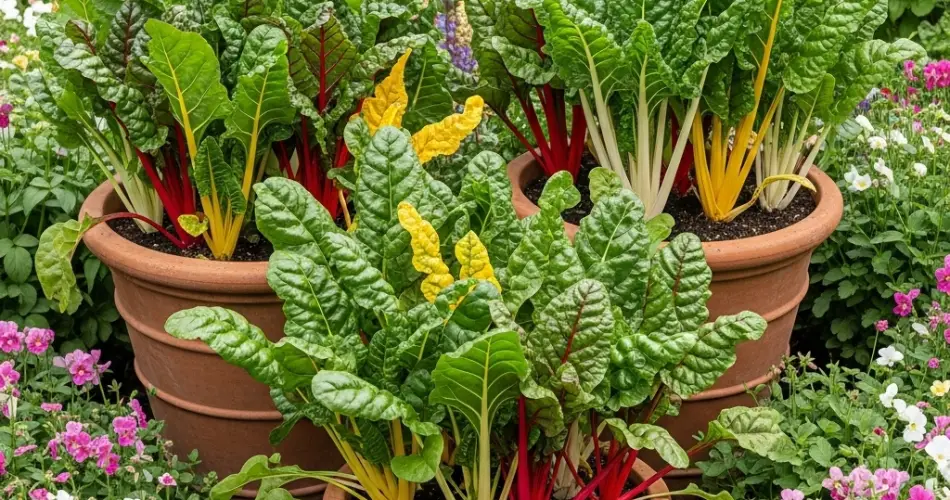
Swiss chard is a vibrant, nutritious leafy green that brings both beauty and flavor to your home garden. With its brightly colored stems and lush, glossy leaves, chard isn’t just healthy—it’s also ornamental. Best of all, you don’t need a big garden to grow it. Swiss chard thrives in pots, making it perfect for balconies, patios, rooftops, and even sunny windowsills.
This beginner-friendly guide will walk you through the steps of growing Swiss chard in containers, from choosing the right pot to harvesting crisp, colorful greens throughout the season.
Why Grow Swiss Chard in Pots?
Swiss chard is an easy-to-grow crop that adapts well to containers. It’s a cool-weather leafy vegetable, though it also tolerates heat better than many other greens. Chard’s compact growth, shallow root system, and long harvest period make it ideal for home gardeners working with limited space.
Benefits of pot-growing Swiss chard:
-
Grows well in containers and raised planters
-
Tolerant of heat and mild cold
-
Produces multiple harvests over a long season
-
Adds ornamental appeal with colorful stems
-
Can be grown year-round in mild climates
Selecting a Container
Swiss chard grows best when its roots have room to stretch. Choose a container that supports healthy root development and allows good drainage.
Container guidelines:
-
Depth: At least 8–10 inches
-
Diameter: One plant per 10-inch pot, or several in a larger planter
-
Material: Terracotta, plastic, wood, fabric grow bags—all are suitable
-
Drainage: Ensure the pot has holes at the bottom
Rectangular planters or deep window boxes work great if you want to grow multiple plants side by side. Just make sure each plant has enough space for airflow and light exposure.
Soil and Potting Mix
A loose, nutrient-rich growing medium is key to growing healthy Swiss chard in containers. Regular garden soil is often too dense and may not drain properly in pots.
Ideal potting mix:
-
High-quality organic potting soil
-
Mixed with compost or aged manure
-
Optional: Add perlite or coconut coir for aeration and water retention
Moisten the soil before planting to create a comfortable environment for seeds or seedlings.
Choosing a Variety
Swiss chard comes in several attractive and delicious varieties. All types grow well in containers, so the choice comes down to your preferences for color, size, and flavor.
Popular varieties for pots include:
-
Bright Lights: Stunning mix of red, yellow, pink, and orange stems
-
Fordhook Giant: Large green leaves with thick white stems
-
Rhubarb Chard: Deep red stems with crinkled green leaves
-
Lucullus: Pale green stems with mild flavor and good heat tolerance
For an eye-catching display and continuous harvest, try mixing a few colorful varieties in one planter.
Planting Swiss Chard in Containers
You can grow Swiss chard from seeds or young transplants. Starting from seed is budget-friendly and gives you more variety options.
From seeds:
-
Sow seeds about ½ inch deep
-
Space 3–4 inches apart in small containers, or up to 6 inches apart in larger planters
-
Thin seedlings once they’re a few inches tall, leaving 8–10 inches between mature plants
From transplants:
-
Space about 10 inches apart
-
Plant at the same depth as in the nursery pot
-
Press soil gently around the base and water well
If growing indoors, place your container near a sunny window or use a grow light to encourage strong, upright growth.
Light, Water, and Feeding
Swiss chard enjoys full sun but tolerates partial shade, especially in hot climates.
Sunlight:
-
Aim for 5–7 hours of sun daily
-
In warm regions, provide some afternoon shade to prevent wilting
-
Indoors, use supplemental lighting if natural light is limited
Watering:
-
Keep the soil consistently moist but not soggy
-
Water at the base of the plant to avoid wetting the leaves
-
Containers may dry out faster—check soil moisture regularly
Fertilizing:
-
Mix compost into the soil before planting
-
Feed with a balanced organic fertilizer every 2–3 weeks
-
Avoid over-fertilizing, which can cause soft, overly leafy growth
Harvesting Your Swiss Chard
Chard grows quickly and can be harvested as baby greens or mature leaves.
How to harvest:
-
Begin picking leaves when they’re 6–8 inches long
-
Use scissors to cut outer leaves at the base, leaving the inner ones to keep growing
-
Harvest regularly to encourage continued production
-
For baby greens, cut when the leaves are 3–5 inches long
Well-maintained plants can continue producing for months, especially if you protect them from extreme temperatures.
Common Problems and Solutions
-
Yellowing leaves: Often caused by overwatering or poor drainage. Check your pot’s drainage holes.
-
Bolting (flowering): Usually due to heat or aging plants. Provide shade and plant new seeds for a fresh crop.
-
Aphids or leaf miners: Use neem oil spray or manually remove pests. Good airflow helps prevent infestations.
Final Thoughts
Swiss chard is a rewarding and beautiful crop for container gardeners of all experience levels. With just a little space and attention, you can grow a continuous supply of leafy greens that are not only packed with nutrients but also bring color and life to your balcony, patio, or kitchen corner.
From sowing to snipping, growing Swiss chard in pots is simple, sustainable, and satisfying. Add it to your gardening lineup—you’ll enjoy the taste and the view.


