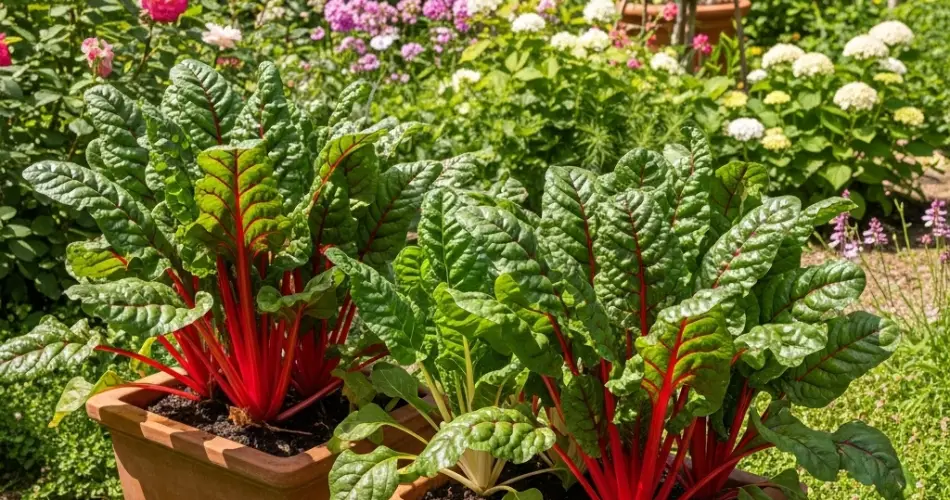
Swiss chard is a vibrant and versatile leafy green that brings both beauty and nutrition to any garden. With stems in vivid shades of red, pink, yellow, orange, and white, this striking vegetable looks just as good in pots on your balcony as it does on your dinner plate. Best of all, Swiss chard grows exceptionally well in containers, making it a great option for anyone with limited space or no traditional garden.
If you’re looking to add color, flavor, and variety to your small-space garden, Swiss chard is an excellent choice. This guide offers practical tips to help you grow lush, productive plants in containers and enjoy a steady harvest for months.
Why Swiss Chard is Perfect for Containers
Swiss chard is a member of the beet family, but unlike beets, it’s grown for its tender leaves and crunchy stems. It’s incredibly adaptable to container gardening, thanks to its shallow root system, tolerance to a wide range of temperatures, and low-maintenance care needs.
Key benefits of growing Swiss chard in containers:
-
Space-efficient—great for balconies, patios, windowsills, and decks
-
Provides continuous harvests with proper care
-
Heat- and cold-tolerant, making it ideal for multiple seasons
-
Adds color and texture to small-space gardens
-
Grows well with other leafy greens and herbs
Selecting the Right Variety
While most Swiss chard varieties will grow well in containers, some are especially suited due to their size and ornamental appeal.
Top varieties for container gardening:
-
Bright Lights – A colorful mix of stem colors with mild-flavored leaves
-
Fordhook Giant – Large, crinkled green leaves with thick white stems
-
Ruby Red – Deep green leaves with ruby-colored veins and stems
-
Peppermint – Pink and white-striped stalks with smooth leaves
Materials You’ll Need
Getting started is easy with just a few basic items:
-
A container at least 10–12 inches deep with drainage holes
-
High-quality potting mix rich in organic matter
-
Swiss chard seeds or young seedlings
-
A location with 4–6 hours of sunlight per day
-
Watering can or hose with a gentle spray
-
Optional: liquid fertilizer or compost for feeding
How to Plant Swiss Chard in Containers
1. Choose the Right Container
Opt for a pot or planter with good drainage. The container should be at least 12 inches deep to support root growth and wide enough to space out multiple plants. Fabric grow bags, window boxes, recycled tubs, or clay pots all work well.
2. Fill with Nutrient-Rich Soil
Use a lightweight potting mix combined with compost or aged manure. Avoid garden soil, which can be too dense and lead to poor drainage. Swiss chard prefers a soil pH of 6.0 to 7.0.
3. Planting Seeds or Transplants
-
Seeds: Sow directly into the soil ½ inch deep and about 2 inches apart. After seedlings emerge, thin them to 6–8 inches apart.
-
Seedlings: Transplant them gently and space each about 8 inches apart for full-sized leaves.
4. Position for Light
Swiss chard grows best with 4–6 hours of sunlight. It can tolerate partial shade, especially during hot weather. Place containers in a sunny spot that avoids harsh afternoon sun in very warm climates.
Ongoing Plant Care
Swiss chard is a hardy plant, but it thrives with consistent care.
-
Watering: Keep the soil consistently moist but not waterlogged. Water when the top inch of soil feels dry.
-
Feeding: Fertilize every 2–3 weeks with a diluted organic liquid fertilizer or compost tea. This supports strong stem and leaf development.
-
Mulching: A layer of organic mulch, like straw or shredded leaves, helps retain moisture and suppress weeds.
-
Pest Management: Watch for aphids, slugs, or leaf miners. Use insecticidal soap or hand-pick pests if needed. Healthy plants resist pests better.
Harvesting Tips
Swiss chard is a “cut-and-come-again” crop, meaning you can harvest individual leaves as needed while the plant continues to grow.
To harvest:
-
Begin picking outer leaves when they reach 6–8 inches tall.
-
Cut them with scissors or snap them off near the base.
-
Always leave at least 3–5 inner leaves so the plant can keep producing.
Harvest regularly to encourage ongoing growth. With proper care, one planting can yield for several months.
Troubleshooting Common Issues
Yellow or limp leaves
-
Likely caused by overwatering or poor drainage. Ensure your container drains well.
Slow growth
-
May be due to lack of nutrients. Apply a balanced organic fertilizer and check for overcrowding.
Bolting (flowering too early)
-
Happens in very hot weather. Provide some shade and keep soil evenly moist to prevent stress.
Final Thoughts
Swiss chard is more than just a pretty plant—it’s a productive and resilient vegetable that’s easy to grow in containers. Whether you’re adding color to your patio or fresh greens to your kitchen, Swiss chard delivers on all fronts. With the right care, you can enjoy a vibrant, flavorful harvest from spring through fall—and sometimes beyond.
If you’re new to gardening or just want to brighten up your space with something edible, Swiss chard is a colorful and practical choice. Start with a few seeds or seedlings, follow these simple tips, and enjoy a bold, beautiful harvest right from your own container garden.


