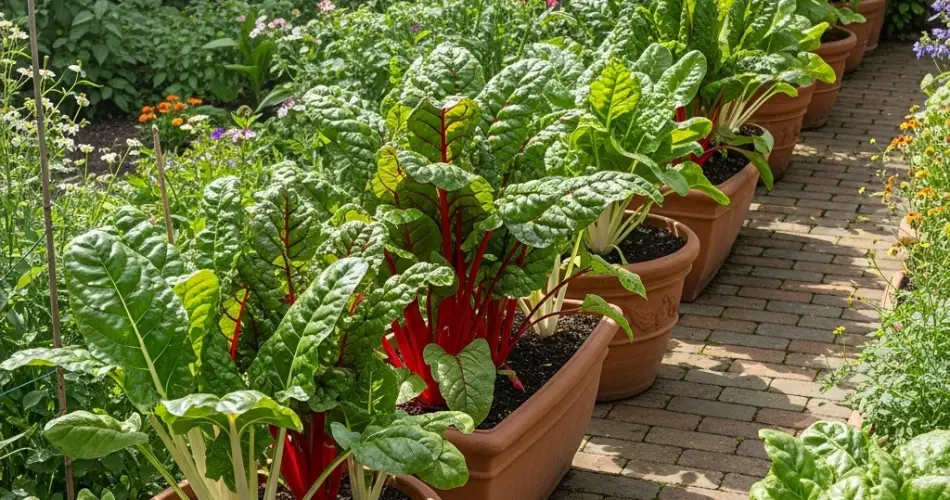
Swiss chard is a leafy green that delivers both bold flavor and stunning visual appeal. With its brightly colored stems and glossy green leaves, it’s as much an ornamental plant as it is a productive vegetable. Best of all, it thrives in containers, making it ideal for home gardeners with limited space. Whether you have a small yard, a patio, or even just a sunny balcony, growing Swiss chard in pots is an easy and rewarding way to enjoy fresh greens right at home.
Here’s a step-by-step guide to successfully growing Swiss chard in containers, from seed to harvest.
Why Grow Swiss Chard in Pots?
Swiss chard is a versatile plant that does exceptionally well in containers. It’s heat-tolerant, cold-resistant, and can be harvested continuously over several months. Container gardening allows better control over soil quality, watering, and pests—perfect for urban gardeners and anyone working with small spaces.
Top reasons to grow chard in pots:
-
Requires minimal space
-
Easy to move and manage
-
Can be grown year-round in mild climates
-
Fewer weeds and soil-borne diseases
-
Attractive and edible foliage for small garden designs
Selecting the Right Container
Swiss chard has a relatively shallow root system but still benefits from ample room to spread. Choose a container that’s both wide and deep enough to support healthy growth.
Container recommendations:
-
Minimum depth: 8–10 inches
-
Width: At least 10 inches per plant
-
Drainage holes: Essential to prevent waterlogging
-
Materials: Plastic, ceramic, terracotta, or fabric grow bags
If you’re planting multiple chard plants, use a large rectangular planter or a deep wooden box with proper drainage. Ensure each plant has enough space for air circulation and sunlight exposure.
Soil Mix and Preparation
To grow vibrant, healthy chard in containers, use a well-draining and nutrient-rich potting mix. Regular garden soil is too heavy for pots and may cause poor drainage and root rot.
Best potting mix:
-
Organic potting soil
-
Mixed with compost or worm castings for added nutrients
-
Perlite or coconut coir to improve drainage and water retention
Fill the container with your mix, leaving an inch of space below the rim. Lightly water the soil before planting to ensure it’s evenly moist.
Choosing a Swiss Chard Variety
All Swiss chard varieties grow well in containers, so pick based on flavor, color, and growth habit.
Top container-friendly varieties:
-
Bright Lights: Multicolored stems in shades of red, yellow, and orange
-
Fordhook Giant: Classic green leaves with thick white stalks
-
Rhubarb Chard: Deep red stalks and crinkled dark green leaves
-
Lucullus: Pale green stems and mild-tasting leaves
Bright Lights is especially popular for container gardens due to its visual appeal and compact size.
Planting Swiss Chard in Pots
Swiss chard can be started from seeds or seedlings. Seeds are economical and offer more variety choices.
From seeds:
-
Sow seeds ½ inch deep and 2–3 inches apart
-
Once seedlings emerge, thin to 8–10 inches apart for mature plants
-
Water gently after sowing to avoid displacing seeds
From seedlings:
-
Space transplants about 10 inches apart
-
Plant at the same depth as they were in their original container
-
Press the soil around the base and water well
If growing indoors, place containers near a sunny window or under grow lights.
Sunlight and Watering Needs
Swiss chard prefers full sun but also performs well in partial shade, especially in hot climates.
Sunlight:
-
5–7 hours of sunlight daily
-
Provide afternoon shade if temperatures are high
-
Indoors, place near a south-facing window or use LED grow lights
Watering:
-
Keep the soil consistently moist, not soggy
-
Water at the base of the plant to prevent leaf diseases
-
Check moisture daily—containers dry out faster than ground soil
Fertilizing and Maintenance
Swiss chard is a leafy crop that benefits from regular feeding, especially in containers where nutrients deplete more quickly.
Feeding tips:
-
Mix compost into the potting mix before planting
-
Apply a balanced organic fertilizer every 2–3 weeks
-
Use liquid seaweed or fish emulsion for steady leaf growth
Remove yellowing leaves to keep the plant healthy and encourage new growth. Mulch with dried leaves or straw to retain soil moisture.
Harvesting Swiss Chard
Swiss chard offers a long harvest window, often producing for months if harvested properly.
How to harvest:
-
Begin picking leaves when they reach 6–8 inches in length
-
Cut outer leaves at the base with scissors, leaving the center intact
-
Harvest regularly to promote continued leaf production
Young leaves are tender and mild, perfect for salads, while mature leaves are great for sautéing and soups.
Common Challenges and Solutions
-
Yellow leaves: Usually a sign of overwatering or nutrient deficiency. Adjust watering and add compost or fertilizer.
-
Pests: Aphids and leaf miners can be controlled with neem oil or insecticidal soap.
-
Bolting: High temperatures may cause the plant to flower. Provide shade and harvest early in the season.
Final Thoughts
Swiss chard is an excellent choice for container gardening. It’s colorful, nutritious, and easy to grow—even in the smallest outdoor or indoor spaces. With the right pot, soil, and care, you can enjoy a continuous harvest of this flavorful green throughout much of the year.
Whether you’re cooking with it or simply admiring its vibrant stems, Swiss chard adds both flavor and beauty to your home garden—no yard required.


