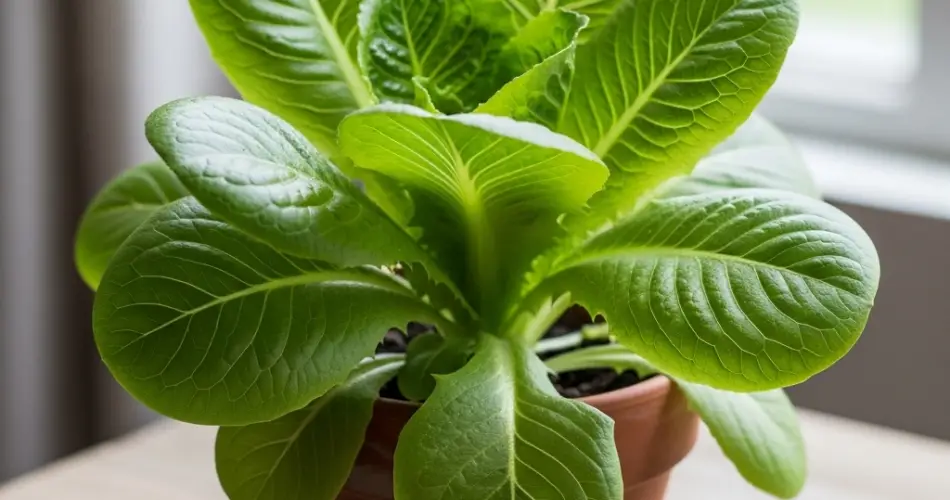
Lettuce is one of the easiest leafy greens to grow, even without a traditional garden. With the right container and a bit of care, you can harvest fresh, crisp leaves all year long—right from your balcony, patio, or windowsill. Whether you’re short on space or just want a steady supply of salad greens, pot-grown lettuce offers a reliable and rewarding gardening option.
Why Grow Lettuce in Pots?
Lettuce is a compact, shallow-rooted plant that adapts well to container gardening. Pots give you control over soil quality, drainage, and exposure, making it easier to prevent pests and diseases. Growing lettuce in pots also allows you to move the plant around for optimal sunlight, shade, or protection from heavy rain.
This setup is especially useful in hot climates or during the rainy season. By using containers, you can avoid soil-borne diseases and keep leaves cleaner than if grown in the ground. Additionally, staggered plantings in pots let you enjoy continuous harvests without overwhelming your kitchen.
Choosing the Right Lettuce Variety
Different lettuce varieties offer unique flavors, textures, and growth habits. For container gardening, it’s best to choose compact or loose-leaf types, which grow quickly and allow for multiple harvests.
-
Loose-leaf varieties (like Green Salad Bowl, Lollo Rossa, and Oakleaf) are perfect for picking outer leaves as needed.
-
Butterhead types (like Buttercrunch or Bibb) form soft, compact heads and thrive in pots.
-
Romaine and crisphead varieties can also be grown in containers but may need deeper pots and a bit more time to mature.
If your climate is warm, look for heat-tolerant or bolt-resistant varieties that won’t flower too quickly in hot weather.
Best Containers for Lettuce
Lettuce doesn’t need deep pots; a container about 6–8 inches deep is usually sufficient. You can use plastic pots, terracotta planters, fabric grow bags, or even recycled containers like buckets or basins—as long as they have drainage holes.
A wide, shallow pot is ideal because it allows you to grow several plants in one container. For example, a 12-inch (30 cm) diameter pot can hold three or four loose-leaf lettuce plants spaced evenly.
Soil and Fertilizer Needs
Use a high-quality potting mix that retains moisture but drains well. Avoid using heavy garden soil, which can compact and limit root growth in pots. A mix enriched with compost or well-rotted organic matter provides nutrients and supports healthy growth.
Lettuce is a moderate feeder, so adding slow-release organic fertilizer at planting time helps sustain the plants. You can also use a diluted liquid fertilizer (like fish emulsion or seaweed extract) every 10–14 days during the growing season.
Planting and Spacing
Lettuce seeds are tiny and easy to sow directly into the container. Lightly sprinkle the seeds on the surface of moist soil, then cover with a thin layer of potting mix. Mist gently with water and keep the soil evenly moist until germination, which usually takes 5–10 days.
Once the seedlings are large enough to handle, thin them out to allow enough space between plants. For loose-leaf types, keep 4–6 inches (10–15 cm) between plants. For head-forming types, increase the spacing to 6–10 inches (15–25 cm).
You can also start lettuce from seedlings or transplants, especially if you want a head start on harvesting.
Light and Watering Requirements
Lettuce grows best with 4–6 hours of sunlight daily, especially in cooler weather. In hot or tropical regions, partial shade is ideal to prevent wilting and premature bolting (when the plant flowers and turns bitter). East- or north-facing balconies are good spots to avoid the harsh afternoon sun.
Water regularly to keep the soil evenly moist, but not soggy. Lettuce has shallow roots and dries out quickly in containers, so check the soil daily—especially during hot or windy conditions. Mulching the surface with straw or shredded leaves can help retain moisture.
Harvesting Your Lettuce
Loose-leaf lettuce can be harvested leaf-by-leaf once the plants are 4–6 inches tall. Simply snip off the outer leaves with scissors, leaving the center to regrow. This method, known as “cut-and-come-again,” allows multiple harvests from each plant.
For head-forming varieties, wait until the head is full-sized and firm before cutting the entire plant at the base.
To enjoy year-round lettuce, plant a new batch every two to three weeks. This way, you always have a fresh crop ready to pick.
Final Tips for Success
-
Protect your pots from heavy rain, which can splash soil and damage young leaves.
-
Watch out for pests like aphids and snails. A quick spray of neem oil or soapy water usually helps.
-
Rotate containers or shift them around to take advantage of seasonal light changes.
Growing lettuce in pots is an easy and satisfying way to add fresh greens to your meals. With minimal effort and space, you can enjoy a steady supply of crisp, homegrown leaves right from your doorstep—every month of the year.


