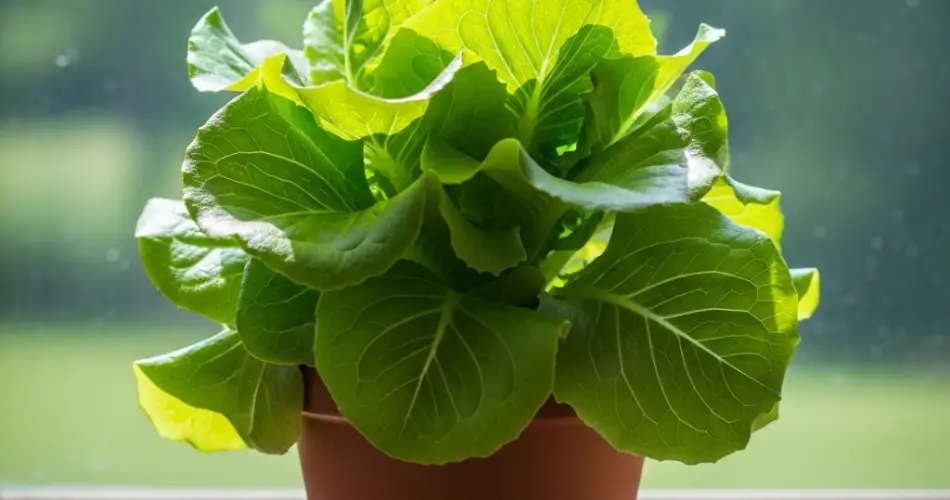
Growing lettuce in pots is a simple and satisfying way to enjoy fresh greens at home, even if you don’t have a garden. Whether you live in an apartment or just want to grow some vegetables on your balcony or windowsill, this project is perfect for beginners and experienced gardeners alike. Lettuce is fast-growing, low-maintenance, and can be harvested continuously, making it a rewarding crop for container gardening.
Choosing the Right Container
Start by selecting a container with good drainage. Lettuce doesn’t need deep pots—something around 15 to 20 cm (6 to 8 inches) deep will work fine. However, it should be wide enough to grow multiple heads or leaves. Plastic pots, recycled buckets, or even rectangular boxes can all work, as long as they have drainage holes at the bottom. You can also repurpose old basins or storage bins by drilling holes in the base.
Soil Preparation
Lettuce grows best in light, loose, and nutrient-rich soil. Use a quality potting mix or make your own by combining garden soil with compost and a bit of sand for drainage. The ideal mix will hold moisture without becoming soggy, as lettuce roots are shallow and sensitive to waterlogged conditions. Adding compost or aged manure will help provide essential nutrients throughout the growing cycle.
Sowing Seeds or Transplanting Seedlings
You can start lettuce from seeds or use seedlings purchased from a nursery. If sowing seeds directly, sprinkle them evenly over the soil surface and lightly press them in. Don’t bury the seeds too deep—lettuce seeds need light to germinate. Water gently after planting, and keep the soil moist.
If you’re using seedlings, make small holes in the soil and gently place them in, spacing them around 10 to 15 cm (4 to 6 inches) apart. This gives each plant enough room to grow and allows better air circulation to prevent disease.
Positioning Your Pots
Lettuce enjoys full to partial sunlight. Ideally, place your pots in a spot that receives 4–6 hours of sun each day. If you live in a particularly hot climate, some afternoon shade will help prevent the plants from bolting—when they grow tall and start flowering, which results in bitter leaves. A balcony, patio, or sunny kitchen windowsill can be great growing spots.
Watering Needs
Consistent moisture is key when growing lettuce. The soil should be kept moist but not soaked. Check the top layer of the soil daily—if it feels dry, water your plants. Using a spray bottle or a gentle watering can will prevent disturbing the shallow roots or washing away the soil. In warmer climates or during summer, daily watering may be necessary.
Mulching around the plants with dry grass, rice hulls, or coconut coir can help retain moisture and keep the roots cool.
Fertilizing for Leafy Growth
While lettuce is not a heavy feeder, regular light feedings can help produce lush, tender leaves. A balanced, water-soluble fertilizer or organic alternatives like compost tea or fish emulsion can be applied every two weeks. Avoid high-nitrogen fertilizers if you are already using nutrient-rich compost, as this can lead to excessive leaf growth and poor flavor.
Pest and Disease Management
Potted lettuce is less prone to pests than ground-grown plants, but you still need to watch for aphids, snails, and fungal problems. Keep the area around the pots clean and avoid overwatering. If pests appear, try natural remedies like neem oil spray or a mild soap-water solution. Handpicking larger pests like caterpillars or snails is often effective for small-scale container gardens.
Harvesting Your Lettuce
Depending on the variety, lettuce is usually ready to harvest 30 to 50 days after planting. You can begin picking the outer leaves once they reach a usable size, allowing the inner leaves to continue growing—a method known as “cut-and-come-again.” This technique encourages the plant to keep producing fresh leaves over time.
If you prefer head lettuce, wait until the head is firm and well-formed before cutting it off at the base. Either way, harvest in the early morning or late afternoon to ensure the crispest leaves.
Continuous Growing
To keep a steady supply of lettuce, stagger your plantings every two to three weeks. This ensures you’ll always have young plants coming up as the older ones are harvested or finish their cycle. Because lettuce grows quickly, you can enjoy multiple harvests from the same container setup throughout the year.
Container-grown lettuce offers a practical and satisfying way to bring fresh, homegrown greens to your table. With a few pots, good soil, and regular care, you can grow a healthy supply of lettuce even in the smallest of spaces. Whether you’re gardening for fun, food, or both, this project is a great way to get started


