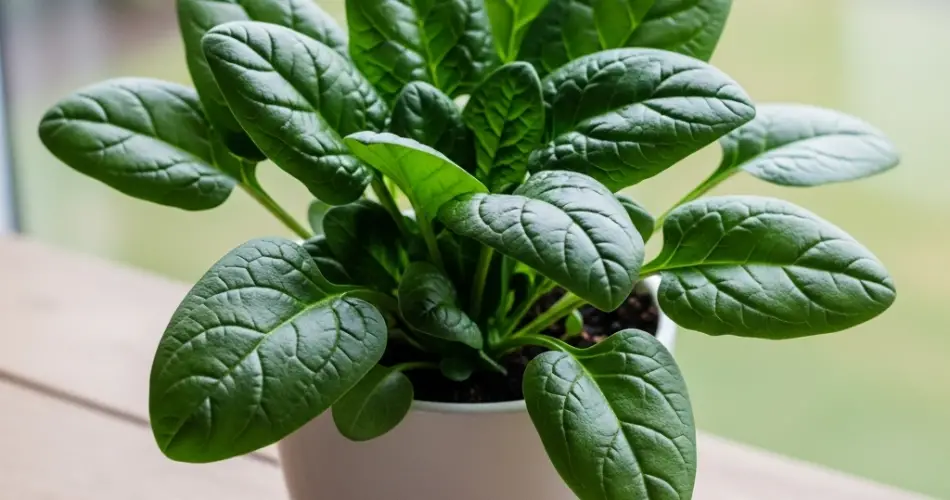
Spinach is a fast-growing leafy green that thrives in pots, making it ideal for small-space gardeners. With the right care and timing, it’s possible to enjoy a steady harvest of tender spinach leaves for much of the year. Container growing not only conserves space but also allows you to better manage soil quality, sunlight, and pests. Here’s how to set up your spinach pots for continuous harvests.
Why Spinach is Ideal for Containers
Spinach has a relatively compact root system, which makes it well-suited to pot culture. It grows quickly and can be harvested multiple times, especially when you use the “cut-and-come-again” method. Container gardening also allows for better control of watering and temperature—two crucial factors for keeping spinach healthy and productive.
Another advantage of pot-grown spinach is flexibility. If temperatures get too hot (which can cause spinach to bolt), containers can be moved to a cooler or shadier spot. If it’s too cold, you can protect pots with covers or bring them inside a greenhouse or protected area.
Choosing the Right Spinach Variety
To achieve a continuous harvest, select varieties that are known for quick regrowth and resistance to bolting. Here are some types to consider:
-
Baby leaf spinach grows quickly and is ideal for frequent harvesting.
-
Bloomsdale Long Standing has crinkled leaves and good resistance to heat.
-
Space is a smooth-leaf variety that resists downy mildew and grows quickly.
-
Malabar or New Zealand spinach (technically not true spinach) is a heat-tolerant alternative for tropical or warm climates.
Choose based on your local climate. If you’re in a warm area, go for bolt-resistant or heat-tolerant varieties.
Best Pots and Soil for Spinach
Spinach doesn’t require deep containers. A pot at least 6–8 inches deep is enough for most types. Wider pots allow you to plant more spinach and stagger your harvests. Window boxes, recycled plastic tubs, shallow crates, and grow bags all work well, provided they have proper drainage.
Use a lightweight, well-draining potting mix rich in organic matter. A mixture of compost, coco peat, and perlite or sand ensures good aeration and moisture retention. Avoid heavy garden soil that can compact and hinder root growth in containers.
Sowing and Spacing for Continuous Harvest
For the best results, sow spinach seeds directly into the container. Spinach seeds are fairly easy to germinate but can benefit from soaking in water for 8–12 hours before planting to speed up the process.
-
Sow seeds ½ inch deep and 2–3 inches apart.
-
Once seedlings appear (usually in 7–10 days), thin them to allow 4–6 inches between plants.
-
For baby spinach, tighter spacing is acceptable, as you’ll be harvesting the leaves young.
To ensure continuous harvests, plant new seeds every 2–3 weeks. This method, known as succession planting, guarantees a fresh batch of leaves is always growing as you harvest older plants.
Light and Temperature Needs
Spinach prefers cooler temperatures between 10°C to 24°C (50°F to 75°F). In hotter regions, place your pots where they receive morning sun and afternoon shade. In cooler climates or seasons, give them full sun for at least 5–6 hours a day.
Too much heat causes spinach to bolt (flower and set seed), resulting in bitter leaves. To delay bolting:
-
Use mulch to keep the roots cool.
-
Water consistently.
-
Use shade netting or position pots in semi-shaded areas during hot months.
Watering and Fertilization
Spinach enjoys moist, but not soggy, soil. Water your pots regularly—daily during warm, dry weather and less frequently when the air is cooler or more humid. Always water at the base to prevent leaf diseases.
To maintain leaf production, feed your plants every 10–14 days with a diluted liquid fertilizer rich in nitrogen. Organic options like compost tea, fish emulsion, or seaweed extract are excellent for leafy greens.
Harvesting Spinach the Right Way
You can start harvesting baby leaves when they are about 3–4 inches long. For mature spinach, wait until the leaves reach 6–8 inches. Use scissors or your fingers to pick the outer leaves, leaving the center to continue growing. This “cut-and-come-again” method allows the plant to produce new leaves for several weeks.
If a plant starts to bolt, harvest all the leaves and replant with fresh seeds to keep the cycle going.
Tips for Maximizing Yields
-
Rotate pots to balance sunlight exposure and prevent fungal issues.
-
Remove yellow or damaged leaves to encourage new growth.
-
Watch for pests like aphids, leaf miners, and snails. Neem oil spray or insecticidal soap can help manage outbreaks.
-
Grow indoors near a sunny window during colder months, or use grow lights for consistent harvests.
Final Thoughts
With proper planning and a bit of regular maintenance, spinach grown in containers can provide a continuous supply of fresh, nutritious greens. Whether on a balcony, patio, or kitchen windowsill, pot-grown spinach gives you the flexibility to enjoy your own homegrown harvest throughout the seasons. Succession planting, smart watering, and selective harvesting are the keys to keeping your spinach going strong.


