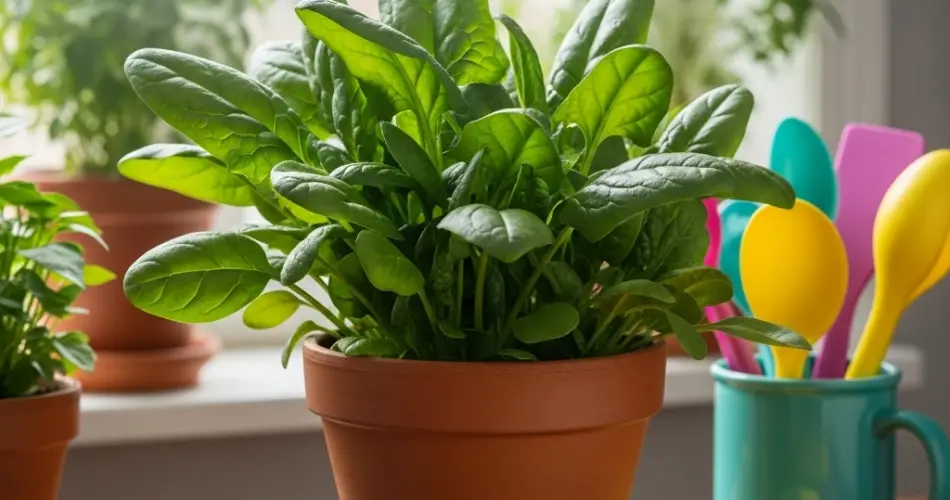
Growing spinach in pots is a convenient and rewarding way to enjoy fresh, nutritious greens—even if you don’t have access to a traditional garden. Whether you live in a small apartment, a house with limited outdoor space, or simply want to try container gardening, spinach is an ideal crop to grow. It thrives in cool weather, doesn’t require deep soil, and offers a steady harvest of tender, vitamin-rich leaves.
Selecting the Right Container
Spinach has a fairly shallow root system, so you don’t need a very deep pot. A container that is about 15–20 cm (6–8 inches) deep will suffice, but it should be wide enough to allow several plants to grow. A circular pot with a diameter of at least 30 cm (12 inches) or a rectangular planter box works well. Make sure the pot has drainage holes to prevent water from pooling and causing root rot.
You can also reuse containers like buckets, old basins, or storage tubs as long as you add adequate drainage holes. Lining the bottom with gravel or broken clay pieces can further improve water flow.
Preparing the Soil
Spinach prefers loose, well-draining soil that is rich in organic matter. A good potting mix for spinach includes equal parts garden soil, compost, and coconut coir or sand to improve texture and drainage. The ideal soil pH for spinach ranges between 6.0 and 7.0.
Mix in aged compost or worm castings before planting to give the spinach a strong nutritional start. Because spinach is a leafy crop, it benefits from nitrogen-rich soil, which encourages lush green growth.
Sowing Seeds or Transplanting
Spinach can be grown from seeds or seedlings. If using seeds, sow them directly into the pot about 1 cm (½ inch) deep. Space them 5–8 cm (2–3 inches) apart. For larger harvests, thin the seedlings once they sprout, leaving the strongest plants spaced about 10 cm (4 inches) apart.
If transplanting seedlings, make small holes in the soil and gently plant them at the same depth as in their nursery container. Water well after planting.
Spinach grows best in cool weather, so plan your planting in early spring or autumn when temperatures range from 10°C to 20°C (50°F to 68°F). In hotter climates, partial shade or morning sun with afternoon shade is ideal.
Positioning Your Pots
Place your pots in an area that receives 4 to 6 hours of sunlight per day. While spinach enjoys sun, too much intense heat can cause it to bolt, or go to seed early. A shaded balcony, a bright patio, or even a windowsill with filtered light can work well, especially in warmer regions.
If you’re growing indoors, place the container near a bright window or use grow lights to supplement natural sunlight.
Watering Tips
Spinach loves moisture but doesn’t tolerate soggy conditions. Keep the soil consistently moist by watering whenever the top inch feels dry. Water deeply, allowing excess to drain out from the bottom. Avoid overhead watering if possible, as it can promote fungal diseases on the leaves.
Mulching the surface with straw, dried leaves, or coconut husk can help retain moisture and keep the roots cool.
Feeding Your Spinach
Although spinach is a light feeder, regular nutrition boosts help keep it productive. A mild organic fertilizer, such as compost tea, fish emulsion, or a balanced water-soluble fertilizer, can be applied every two weeks. Avoid over-fertilizing, as this can lead to overly lush growth with reduced flavor.
If you started with compost-rich soil, additional feeding may not be necessary until later in the growing cycle.
Common Pests and Solutions
Container-grown spinach tends to face fewer pests than ground-grown crops, but it’s still wise to keep an eye out. Aphids, leaf miners, and snails are the most common problems. Check the underside of leaves regularly and remove pests by hand or with a mild insecticidal soap.
Avoid overwatering to reduce the risk of fungal diseases like downy mildew or root rot. Ensure good air circulation around the plants by not overcrowding them.
Harvesting Your Spinach
Spinach leaves can be harvested once they reach about 5–7 cm (2–3 inches) long. Use scissors or your fingers to snip the outer, mature leaves first, allowing the center leaves to continue growing. This “cut-and-come-again” approach extends the harvest for several weeks.
If the plant begins to bolt—sending up a flower stalk—the leaves may turn bitter. At this point, it’s best to harvest all remaining leaves and start a new planting if the weather allows.
Succession Planting for Year-Round Supply
For a continuous spinach supply, sow seeds every 2 to 3 weeks during the cooler months. With proper planning, you can enjoy fresh spinach throughout the growing season, and even longer if you use shade or grow indoors during the off-season.
Growing spinach in pots is an easy, space-efficient way to bring fresh, healthy greens into your kitchen. With the right soil, regular watering, and some sunlight, even the smallest space can produce a steady supply of crisp, flavorful spinach. Whether you’re a beginner or a seasoned gardener, this no-ground-needed approach makes fresh greens accessible and enjoyable.


